Is Giardia in Dogs Contagious? Vet Approved Facts & Prevention Tips



In this article
You already have lots to think about as a pet owner, and keeping your dog up to date on vaccinations and routine tests only scratches the surface. You must get your pup enough exercise, make sure they are well trained, pick the right dog food, as well as protect your pup against parasites including fleas, ticks, and worms. Unfortunately, there is another parasite that we don’t talk about quite as much; Giardia.
Giardia is contagious between dogs, and globally, approximately 15% of dogs are infected with this intestinal parasite.1 However, Is Giardia in dogs contagious to humans? The answer is still yes, Giardia is contagious in dogs but fortunately, it’s rare.

Giardia 101
Scientists classify Giardia into three groups based on the animals they infect. Only one group affects mammals. However, it contains subspecies further divided into eight different assemblages. The one of concern for you and your dog is Giardia duodenalis as this species can infect a wide range of species, including humans. The others target cats, rodents, seals, walruses, and livestock. Many are host-specific, meaning they don’t infect other species other than the one type.
Understanding the distinctions is essential since they determine the degree of contagion and what other pets are vulnerable to. It also comes into play when we discuss prevention. The only way your dog can become infected is by ingesting the parasite. So, it may sound simple to prevent, but Giardia cysts can survive practically anywhere in the environment and are difficult to kill.

Transmission and Signs
Giardia has two life stages: cysts (infective stage) and trophozoites (adult stage). The former is how pets and people get infected. Cysts may exist in any place where an infected animal may have passed feces. Another pup may become infected by rolling in contaminated soil and ingesting the cysts while grooming. They can also get it from drinking standing water that has been contaminated by the feces of an infected animal.
The latter stage exists in the animal’s intestine. As the name parasite implies, these organisms feed off the host. Nutrients and electrolytes are the prize for these parasites, and Giardia can become life-threatening in puppies, senior pets, and those with compromised immune systems. A telltale but not diagnostic sign is diarrhea. However, some dogs harbor the parasite and don’t show any outward signs.
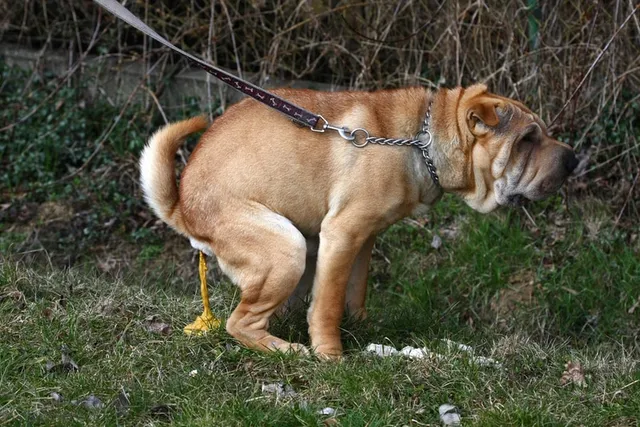
Giardia becomes contagious when the animal passes the cysts in their feces. Surprisingly, an infection can sometimes elude detection if your vet runs a fecal test and the dog does not pass any cysts.
Other red flags include the following:
If you’re concerned about your pet’s well-being, we recommend you contact a veterinarian.
Treatment
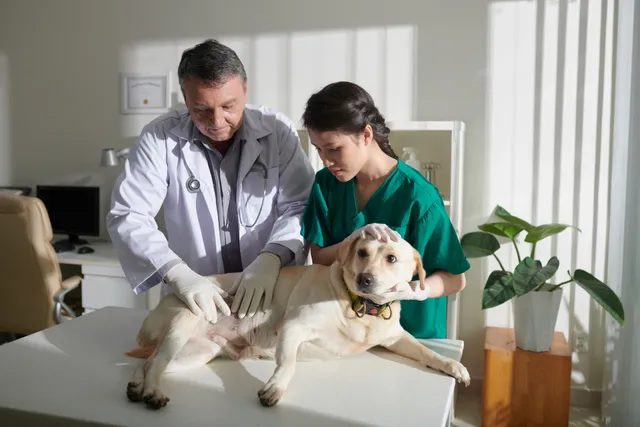
Once your vet has confirmed the diagnosis of giardiasis through a stool sample, they will likely develop a treatment plan focused on getting rid of the parasite and controlling the diarrhea and other complications. Remember that a pup can become dehydrated and risk losing precious electrolytes with prolonged GI distress. While an approved and licensed drug for the condition doesn’t exist in the United States, your vet may prescribe certain drugs off-license if indicated.

Risk of Contagion
Re-infection is hard on your dog. Therefore, understanding the risks is imperative. The three areas of concern are your pup, your family, and other pets in your home. They all involve the same means of transmission: ingestion of the Giardia cysts. Scientists call health conditions that are capable of transmissible from animals to humans, zoonotic.
Contracting giardiasis from your dog is relatively rare. Remember that many species are host-specific, so it depends on which one your dog has. However, the concern of transmission also exists for other dogs in your household, pets you encounter on neighborhood walks, and canine friends at the doggie park. Luckily, most species of Giardia that infect your dog won’t also infect cats in your home or vice versa, although some species can.
Prevention
While many heartworm preventatives handle a wide range of intestinal parasites, Giardia isn’t one of them. The best way to prevent transmission of Giardia to other dogs and people is by cleaning up your dog promptly. This is critical for controlling the spread of this condition. If your dog has been diagnosed with Giardia we recommend avoiding the doggie park or puppy playtime until your vet gives you the all clear. Care for your dog is mainly supportive by ensuring they are eating and drinking well, in order to prevent complications. That may include a special diet while your pet recovers.
If you have more than one dog, we suggest using separate areas for toileting your pets. The goal is to avoid contact with the cysts. Infected dogs should be bathed frequently with a chlorhexidine based shampoo to remove cysts from the coat. Pet wipes may be useful to remove visible fecal matter from your dog in between shampoos. Although no disinfectants are registered to kill the cysts, cleaning with steam and boiling water is helpful. You should frequently wash and dry blankets, bedding and food containers to limit transmission. Cysts are susceptible to drying out, so allow areas to completely dry as much as you can.
You should prevent your pup from drinking water from puddles, which can harbor the parasite. You should also remove any standing water in your yard. The cysts can exist in the soil, so you should wash your hands after gardening. We also recommend teaching your kids to take similar precautions after playing with an infected pet.
Final Thoughts
Giardia and the ensuing giardiasis is very unpleasant. While some pups are seemingly unaffected, others can become seriously ill. Prevention involves responsible pet ownership of cleaning up after your dog and common-sense personal hygiene. After all, some species of Giardia are contagious to humans and other canine companions. Fortunately, it’s normally manageable if diagnosed early.
Featured Image Credit: Przemek Iciak, Shutterstock
Expert dog care, straight to your inbox
News, insights, expert advice, and everything dog.

No spam — unsubscribe anytime.
By signing up, you agree to our Terms & Conditions and Privacy & Cookies Policy.
How useful was this post?
Click a star to rate. You can leave written feedback afterwards. (We read all feedback.)
Since 2009, Chris has written on a variety of topics. Her motto with all of her writing is “science-based writing nurtured by education and critical thinking.” She specializes in scientific topics, with a special love for health and environmental topics, and of course, pets of all shapes and sizes.
Chris lives happily with her husband and three cats in the land of 10,000 lakes, writing, wining, and boating as much as she can. She and her husband, Norm, were awarded the State of Kentucky Colonel Honor for their restoration work at Mammoth Cave National Park.