Dogster is reader-supported. When you buy via links on our site, we may earn a commission at no cost to you. Learn more.

Dog Health & Care

How Often Should You Wash Dog Food & Water Bowls: Vet Approved Advice

Keri-Beth Clur
By Keri-Beth Clur · Reviewed & fact-checked by Dr. Lorna WhittemoreVet Approved
Dr. Lorna Whittemore
Reviewed & Fact-Checked byDr. Lorna WhittemoreMRCVS (Veterinarian)
Lorna is a veterinarian based in Cape Town, South Africa. originally from Scotland. Lorna loves to travel and has lived, studied, and worked on three different continents. Lorna has over two decades of experience in small animal medicine and surgery, both in the charity and private sector, plus a further qualification in feline medicine.View authorThe information is current and up-to-date in accordance with the latest veterinarian research. Learn more
Updated on June 17, 2026
Share
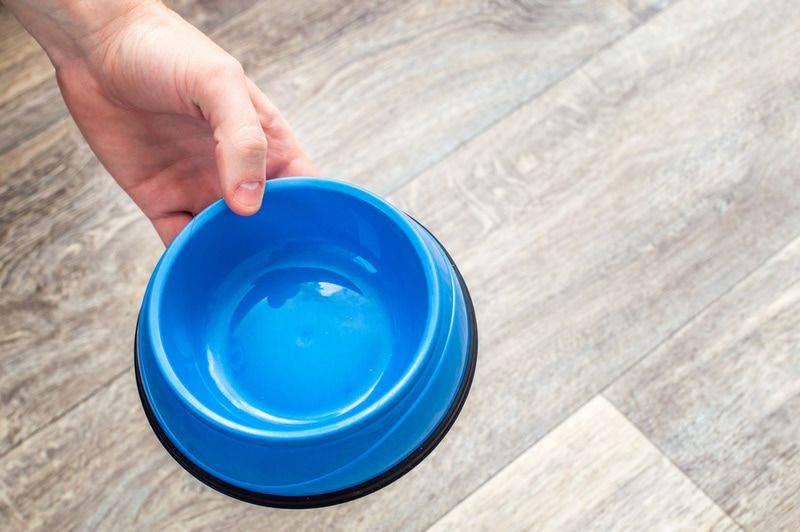
man holding clean dog food bowl

For many of us, our pets are our world, and we try our best to love and care for them the same way we would our family members. That means cleaning up after them, feeding them high-quality food, staying on top of their feeding schedules, and playing with them daily. However, love and care are also displayed in good hygiene, and just as we clean the bowls that our family members eat out of, we need to do the same for our dogs.

The reality is that many of us slip up in this area and don’t prioritize cleaning our dog’s food and water bowls regularly. However, it’s never too late to start. According to the FDA1, you should clean your dog’s food bowls after every meal and their water bowl at least once every 2 days. If this has taken you by surprise, keep reading because we’re going to break it down for you.

divider dog paws 4 oct 2024

Why Do Dog Bowls Need to Be Cleaned Regularly?

If you’re at all conscious about germs around your house, you’re probably dedicated to keeping your bathroom and kitchen clean. However, whilst scrubbing your kitchen counters, you might be overlooking one of the “germiest” items in your home—your dog’s food bowl. Of the many places analyzed in a study conducted by the NSF2, pet bowls ranked in fourth place for having the highest concentration of germs in a home.

If you’ve ever felt a slimy coating on your dog’s food or water bowl, you’ve come in contact with the biofilm. You’ve probably come into contact with this substance many times without realizing what it is because different types of biofilm form on surfaces in many different environments, including your mouth.

When bacteria stick to a surface in a moist environment, it attaches by excreting a slimy substance, together this forms a biofilm. It can form on surfaces above or below ground as long as there is a combination of moisture and nutrients as well. Biofilms harbor bacteria and make it harder to get rid of them.

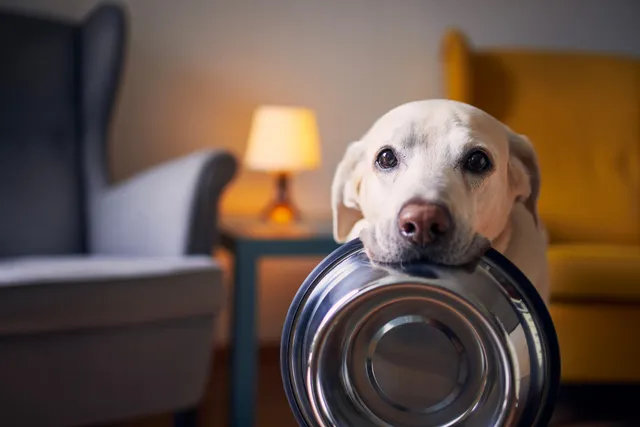
Image By: Pixel-Shot, Shutterstock

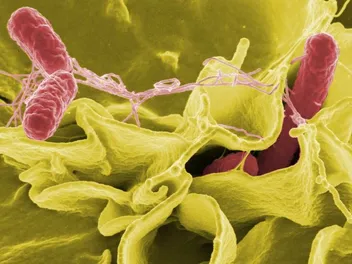
Dirty dog food bowls are a breeding ground for E. coli, Salmonella, Listeria, and MRSA. These can all make your dog very sick and can be found in your dog’s bowl regardless of the type of dog food you feed them. They are also transmissible to humans, zoonotic, and so good hygiene is important for the whole family.

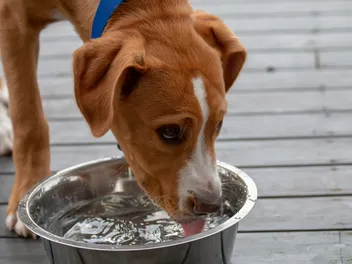
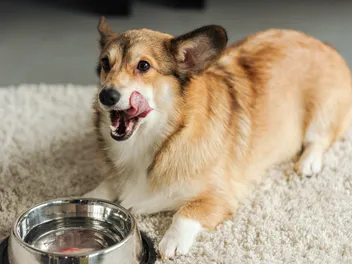
Unwashed water bowls are also dangerous because germs from your dog’s mouth are transferred into their bowls when they drink. These bowls have everything bacteria need to multiply—a surface, moisture, and nutrients.

Your dog will be fine if they encounter a few bacteria because their bodies can tolerate them. However, dirty bowls, especially those with food left inside, contain more bacteria than your dog, and you, should be exposed to.

How To Wash Dog Food and Water Bowls

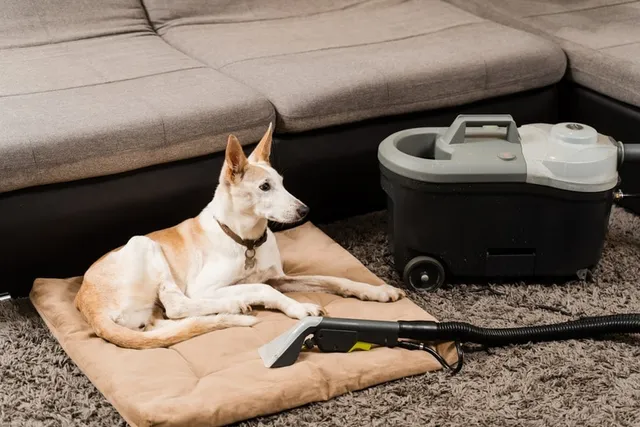
Image By: MargaPl, Shutterstock

If you haven’t washed your dog’s food and water bowls in several days, here’s your reminder to do so now. Otherwise, remember to wash them after their next meal.

According to the FDA, you can wash your dog’s bowls in a sanitizing dishwasher or by hand. However, you’ll only be able to use your dishwasher if your dog’s food bowl is dishwasher safe. Washing by hand will require more effort from you, but it’ll also be faster. If you’re not sure whether you’re cleaning your dog’s bowls correctly, you can follow the guidelines below:

Steps To Washing Dog Food & Water Bowls:

  • Start by removing any leftover food from your dog’s bowl.
  • If the food is old, place it into a plastic bag and tie it closed. Put it in your trash can.
  • Run some hot water into your kitchen sink and add dish soap to make it soapy.
  • Use a dedicated sponge that you only use on your dog’s bowls and food scoop. This will prevent cross-contamination, as you don’t want the sponge used to clean your dog’s bacteria-rich bowls to rub all over your own plates and bowls.
  • Wash the food scoop, along with your dog’s food and water bowls.
  • You can take it a step further and soak the items in dilute bleach for 10 minutes. For this step, you’ll need to mix 1/3 cup of bleach with one gallon of water. You can include this step once a week if you’d like.
  • Thoroughly rinse off the items and allow them to air dry.
Dogster divider_v1_NEW_MAY_24_

Ways To Keep You and Your Dog Safe

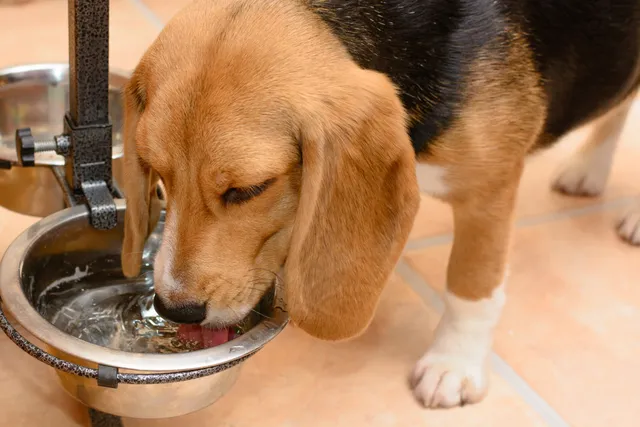
Image By: Pezibear, Pixabay

Keeping you and your dog safe from foodborne illness includes a few more steps than simply washing their bowls.

Keep these points in mind for their next meal:

  • Your hands have a lot of germs on them. It’s important to prepare your dog’s food with clean hands, so make sure you wash them with hot soapy water for around 20 seconds before touching their food.
  • Repeat this process once you’re done preparing your dog’s food to kill any bacteria that you might have picked up from it. This will prevent the spread of bacteria and lower your risk of falling ill. Do this with dog treats too.
  • If you’ve been scooping up your dog’s food with their bowl, it’s time to get a food scoop, as this will prevent cross-contamination.
  • Don’t leave canned food out too long because it will spoil.
  • Clean food storage containers before refilling them with new dog food.
  • Store your dog’s dry food in a container with a secure lid
  • Avoid plastic bowls because they scratch and crack easily, which bacteria hide in.
divider dog paws 4 oct 2024

Conclusion

The FDA encourages dog owners to wash their food bowls after every meal, which could be up to three times a day. Their water bowls should be washed daily or at least every second day. Although this may sound like a lot of extra work, it will keep you and your dog safe from bacteria that grow in dirty bowls.

Wash your dog’s food items in hot, soapy water to kill the germs. You can also let them sit in a diluted bleach solution for a few minutes before rinsing them.

Sources

Featured Image Credit: Anastasiya Tsiasemnikava, Shutterstock

Want content like this delivered to you?

Sign Up For Our Newsletter

News, insights, expert advice, and everything dog

* By submitting, you agree to our Terms & Conditions and Privacy & Cookies Policy.

Keri-Beth Clur
Authored by

Keri-Beth Clur

How to Choose the Right Dog Bowl: Materials, Durability, and Hygiene

How to Choose the Right Dog Bowl: Materials, Durability, and Hygiene

When you think about your dog's health, your first thought might be the food they eat. If you're like most pet owners, you want to give your beloved companion…

Nicole Cosgrove
By Nicole Cosgrove · 3 weeks ago
How Often Should I Wash My Dog’s Bed? Vet Approved Advice

How Often Should I Wash My Dog’s Bed? Vet Approved Advice

If your dog loves their bed just as much as you love yours, hygiene is an important factor to consider. We change and wash our bed linens regularly, and our li…

Nicole Cosgrove
By Nicole Cosgrove · 3 weeks ago
Can Dogs Share Water Bowls? Vet-Verified Health Risks & Safety Tips

Can Dogs Share Water Bowls? Vet-Verified Health Risks & Safety Tips

Cleanliness can be tricky when it comes to dogs. They’ll gladly eat off the ground, lick poop, and do all sorts of unsanitary stuff that makes us cringe. Shari…

Codee Chessher
By Codee Chessher · 1 week ago
10 Essential Rules for Raw Dog Food: Vet-Verified Nutrition Considerations

10 Essential Rules for Raw Dog Food: Vet-Verified Nutrition Considerations

Raw feeding is a controversial subject among dog owners, with some advocating for and some against it. There are clear guidelines from regulating bodies such a…

Beth Crane
By Beth Crane · 1 week ago
June 17, 2026

How Often Should You Brush a Dog's Teeth: Vet-Approved Guide

Dental disease is one of the most common health conditions that impacts pet dogs. The best way to keep your dog’s mouth healthy is to brush their teeth but how…

Elizabeth Gray
By Elizabeth Gray
How Often Should You Brush a Dog's Teeth: Vet-Approved Guide
June 23, 2026

Is Plastic Toxic to Dogs? BPA Poisoning Explained (Vet Approved)

The internet provides pet owners with a plethora of information, always accessible right at their fingertips. The problem is that misinformation is factually i…

Chantelle Fowler
By Chantelle Fowler
Is Plastic Toxic to Dogs? BPA Poisoning Explained (Vet Approved)
June 17, 2026

Types of Water for Dogs: Vet-Verified Water Sources & Advice

Dogs have to drink water. It's a necessity to live. We often don't think too much about it, we just get them water from the tap and call it a day. However, if…

Ashley Bates
By Ashley Bates
Types of Water for Dogs: Vet-Verified Water Sources & Advice
June 17, 2026

Can Dogs Get Salmonella? Vet-Reviewed Facts & Treatment Options

Dogs are wonderful companions and are often regarded as a part of the family. As pet owners, we all want to ensure that our furry friends are healthy and happy…

Nicole Cosgrove
By Nicole Cosgrove
Can Dogs Get Salmonella? Vet-Reviewed Facts & Treatment Options
June 16, 2026

Are Dogs Mouths Cleaner Than Human Mouths? Vet Approved Facts & FAQ

It’s commonly believed that dog mouths are cleaner than human mouths. However, this belief is simply a myth, and dog mouths aren’t any cleaner than human mouth…

Jessica Kim
By Jessica Kim
Are Dogs Mouths Cleaner Than Human Mouths? Vet Approved Facts & FAQ
June 17, 2026

Raised vs Floor Dog Bowls: Key Differences (With Pictures)

For pet parents, buying the right supplies in order to keep their canine companions healthy and happy is of the utmost importance. But when it comes to mealtim…

Nicole Cosgrove
By Nicole Cosgrove
Raised vs Floor Dog Bowls: Key Differences (With Pictures)
June 17, 2026

Do Dogs Need Their Teeth Brushed? Vet-Verified Care Facts

We all know that toothbrushing is a necessary part of life for humans, as poor oral hygiene can result in cavities, infections, and gum disease and even increa…

Chantelle Fowler
By Chantelle Fowler
Do Dogs Need Their Teeth Brushed? Vet-Verified Care Facts
June 29, 2026

Is Dawn Dish Soap Safe for Dogs? Vet-Verified Facts & FAQ

Whether romping in the mud or rolling in the smelliest item that they can find, dogs always seem to find a way to get smelly and dirty. If you find yourself ou…

Elizabeth Gray
By Elizabeth Gray
Is Dawn Dish Soap Safe for Dogs? Vet-Verified Facts & FAQ

Love Dogs? So Do We! Join the Dogster Community

Stay informed with expert pet care insights delivered straight to your inbox! Discover professional guidance on animal behavior, feeding tips, trusted product picks, and much more.

You may opt-out at any time. View our Privacy Policy for more information.

The Dogster app on a phone