Can Dogs Get Monkeypox? Vet-Approved Facts & FAQ

In this article
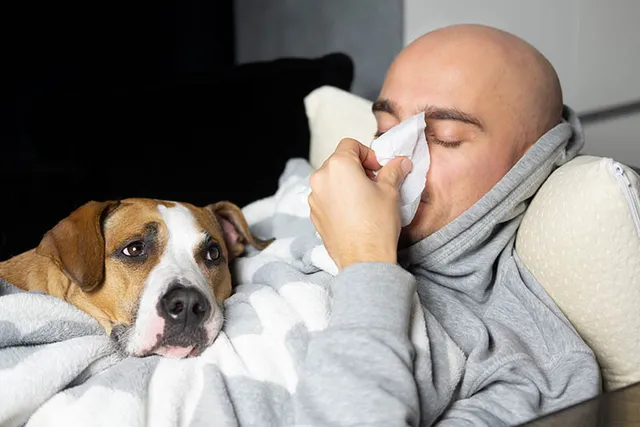
Monkeypox (also referred to as mpox or Mpox) is a virus that is closely related to smallpox. Monkeypox is a zoonotic disease, meaning it can spread between people and animals (or between animals and people). Between the summer of 2022 and 2023, the world saw a small outbreak of monkeypox in which thousands of people were infected worldwide. This outbreak drew attention to the disease, which causes pox-like protrusions and lesions on the skin. The outbreak of monkeypox caused some concern for the health of their beloved dogs. Can dogs get monkeypox? Should you be concerned about your dog catching this contagious virus?
The truth is that dogs can get monkeypox, but the likelihood of them getting it is minimal. Cases of monkeypox in dogs are extremely rare, and there has only been one confirmed case in domestic dogs. The best way to ensure that you and your dog stay safe is to know the signs and know how monkeypox is transmitted. Here is everything you need to know about monkeypox in dogs, including reported cases and signs to watch out for.

Can Dogs Get Monkeypox?
Monkeypox is a virus that can be highly transmissible in ideal conditions. Even though monkeypox in dogs is rare, it is possible for dogs to contract this disease. Monkeypox can infect a large number of different mammals, including dogs, humans, monkeys, and rodents. Monkeypox presents in dogs very similarly to how it presents in humans.

Are There Any Cases of Monkeypox in Dogs?
There was only one confirmed case of monkeypox in dogs.1 The dog in question, a four-year-old Italian Greyhound, caught the virus from its owners while living in France. The owners contracted monkeypox first and reported co-sleeping with their dog. It is likely that close proximity to the dog during sleep allowed the virus to spread from the owners to the dog. At the time of writing this, this is the only confirmed case of monkeypox found in a domestic dog.
The presence of the virus in the dog was confirmed by PCR test (a test that looks for signs of viral infection) as well as visual confirmation of lesions on the skin.
Signs of Monkeypox in Dogs
According to the Centers for Disease Control and Prevention (CDC), the signs of monkeypox in dogs can include:
- Skin sores (pox)
- Skin rash
- Lethargy
- Lack of appetite
- Coughing
- Abdominal bloating
- Nasal secretions
- Crusty eyes
- Fever
Skin sores often begin as small pimple-like protrusions before progressing to more active lesions. Dogs should be monitored for signs of monkeypox if they are in the same household as an infected human or if they have spent ample amounts of time outdoors in an area where monkeypox is confirmed to be active.
If you’re concerned about your pet’s well-being, we recommend you contact a veterinarian.

Frequently Asked Questions
How Do Dogs Get Monkeypox?
The most common way for dogs to get monkeypox is to get it from an infected human. Dogs can technically get monkeypox from coming in contact with an infected animal in the wild, but this is highly unlikely for domestic dogs. A domestic dog would have to have physical contact with an infected animal, such as a monkey or rodent, to contract the disease. This situation is not common for the vast majority of domestic pets.
How Do People Get Monkeypox?
People can contract monkeypox from coming in contact with infected animals in the wild. Infected animals include certain species of monkeys (hence the name) as well as certain species of rodents like tree squirrels. Contact often must include physical touch. The virus often spreads through scratches or bites. The virus can also jump from animals to humans during activities such as hunting, trapping, skinning, and cooking wild game. Monkeypox is believed to be present in certain reservoir species largely located in Africa. A person can contract monkeypox and carry the virus for weeks before symptoms present, making it difficult to pin down exactly where or when the virus was contracted.

Can Dogs Spread Monkeypox to Humans?
Possibly. So far, there have been no confirmed cases of dogs spreading monkeypox to humans. This is true for a few reasons. First, it is very rare for dogs to contract monkeypox on their own. A dog would have to come in contact with an infected animal in the wild and bring the virus home to humans. The humans would also have to spend prolonged periods of time with the infected dog, likely coming in contact with active skin lesions to contract the virus. This situation is incredibly unlikely and has not occurred to the knowledge of researchers. However, it is possible for such a transmission to occur.
A more plausible way for dogs to spread monkeypox to humans is first for the dog to contract the virus from another infected human and then transmit it back to an uninfected human. Again, this is highly unlikely, but it is more likely than a dog contracting the virus independently while outside.
Can Humans Spread Monkeypox to Dogs?
Yes. There has been one case of human-to-dog transmission of monkeypox. This case provides evidence that humans can indeed spread monkeypox to dogs, though so far, it is extremely rare for them to do so. In order to spread the virus from humans to dogs, infected humans have to spend prolonged periods of time in close proximity to the dog, or the dog has to lick active lesions on an infected person’s skin. In the one confirmed case of monkeypox in a domestic dog, the dog likely received the virus after co-sleeping with its infected owners.
Conclusion
While it is true that dogs can get monkeypox, the chances of that occurring are very small. There has been only one suspected case of a domestic dog contracting monkeypox, and they did so from infected owners who cuddled them in bed at night. Monkeypox is related to smallpox and can be highly infectious. It is unlikely that a dog will contract monkeypox in the wild and bring it home. There is a larger chance that a dog will contract monkeypox from infected owners in their own home. If you suspect that you or your dog could have monkeypox or been exposed to monkeypox, you need to contact a health professional immediately.
See Also:
Evans Syndrome In Dogs: Causes, Signs & Treatments (Vet Answer)
Can I Catch a Stomach Virus from My Dog? Vet Approved Facts & FAQ
Sources
Featured Image Credit:
Expert dog care, straight to your inbox
Vet-reviewed advice, training tips, and the best of Dogster. Free, and you can unsubscribe anytime.
By signing up, you agree to our Terms & Conditions and Privacy & Cookies Policy.
Join the conversation
Ask a question, share your story, or send private feedback.