European vs American German Shepherd: The Key Differences (with Pictures)

In this article
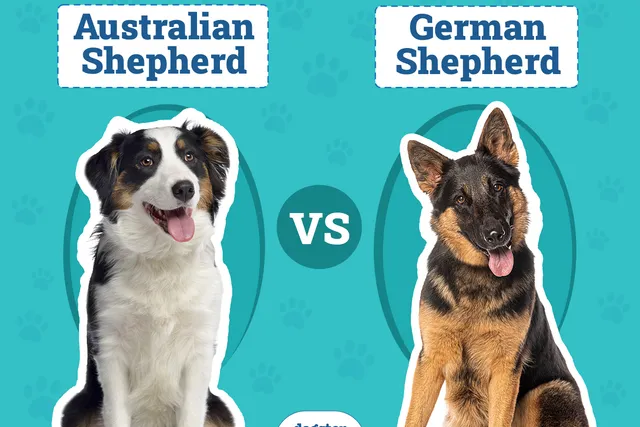
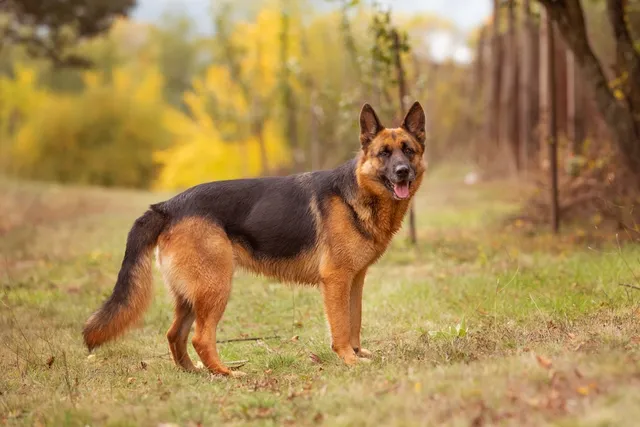
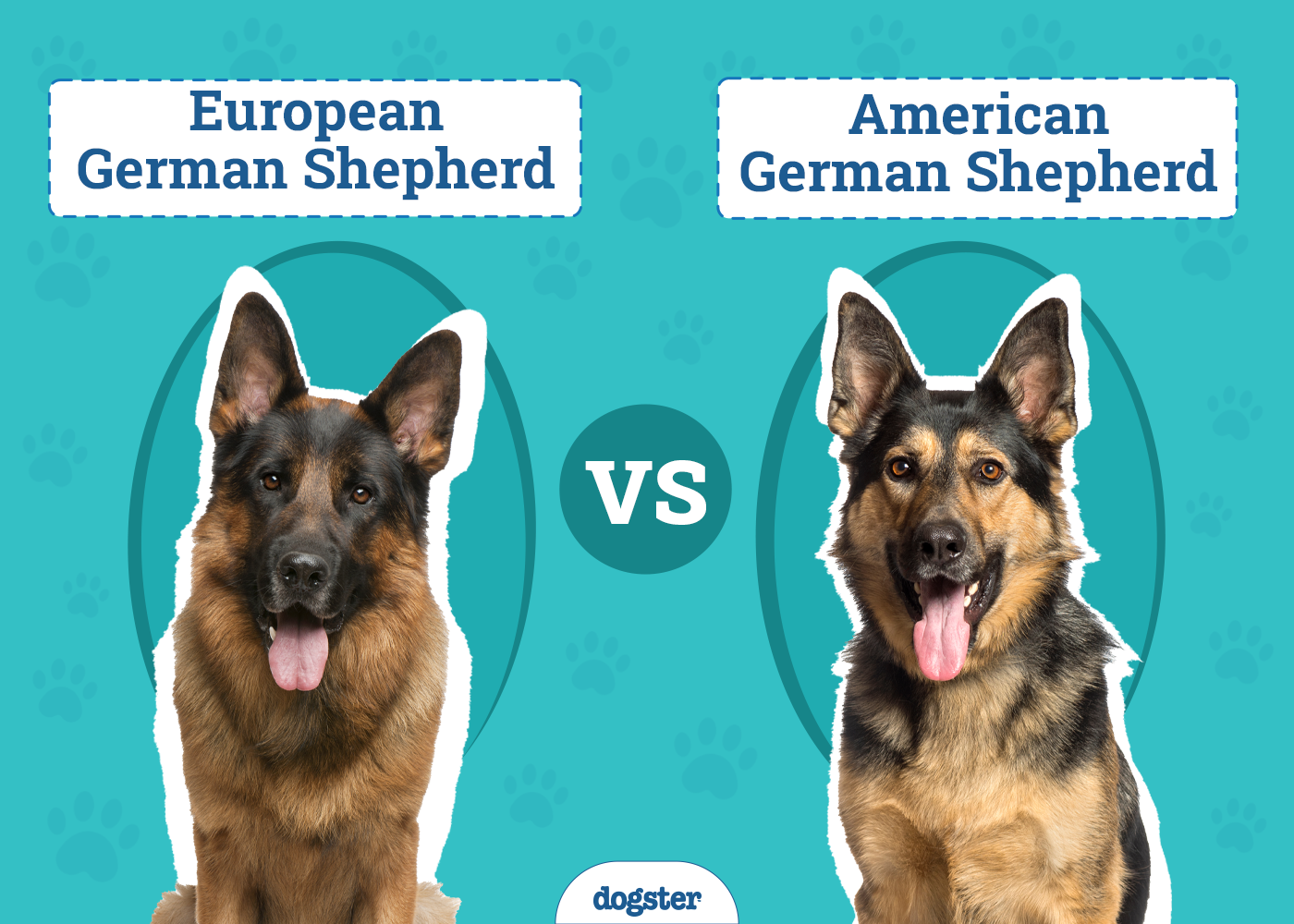
According to the breed standard, a German Shepherd is a German Shepherd—it doesn’t matter where the dog was bred. However, there are some slight differences between the European German Shepherd and the American German Shepherd, even if these differences are not officially recognized.
Of course, these differences aren’t exactly set in stone. Dogs are regularly imported from one country to another. Therefore, their genes still get mixed in quite a bit. However, the gene pools stay separate a lot more than they mix, leading to slightly different dogs on either continent.

Visual Differences

At a Glance
European German Shepherd Overview

European German Shepherds are very similar to their American cousins. However, these dogs tend to be slightly smaller, and they are often more working-oriented as well. Many German Shepherd dogs in Europe are still used for work. Therefore, these dogs are often more fit and driven by their instincts.
Temperament
These dogs are very similar to their American counterparts when it comes to temperament. In fact, you won’t notice a large difference between them. You can expect them to have the same guarding instincts and loyalty. They are also very people-oriented and intelligent. Therefore, they are also easy to train.
Activity Needs
Despite being a working breed, European German Shepherds have the same exercise requirements as their American cousin. You should expect to exercise these dogs for at least a couple of hours a day. Therefore, we don’t recommend them for more laidback families. Instead, these dogs are only recommended for active families.

Training and Socialization
These canines are very easy to train. Often, they are used in law enforcement settings in Europe, so many lines are bred specifically for their trainability. They have a strong work ethic, especially since many of them are still working animals. They are extremely trainable and intelligent.
These dogs do require regular socialization—they have strong guarding instincts, which means that they can become aggressive if not properly socialized.
Health
European German Shepherds tend to be very healthy. They are bred largely for working situations, and sick dogs can’t be used in these cases. Therefore, health is extremely important. These dogs are still prone to hip dysplasia, but less so than American German Shepherds.
Furthermore, the breeding of these dogs is closely regulated in Europe. Therefore, these dogs may be less prone to health problems.
Suitable For:
The main benefit of European German Shepherds is their slightly lower chance of health problems. They may be particularly helpful for law enforcement and those looking for a herding dog. However, importing these dogs into the United States can be expensive and time-consuming.
American German Shepherd Overview

The American German Shepherd is one of the most popular dogs in the country for a good reason. They are very intelligent and easy to train. However, these dogs also require a lot of training and exercise. Their guarding instincts mean that you have to socialize them early and often. Otherwise, they can become aggressive. The American German Shepherd tends to be a bit larger than its European cousin.
Temperament
These dogs attach very readily to their families, though they can be one-person animals. They are very affectionate and loyal. However, they can also be a bit high-strung, especially if they aren’t trained regularly. These dogs were bred primarily for guarding livestock, and they still possess a lot of those guarding instincts today.
Therefore, it’s very important that you socialize your American German Shepherd regularly. Otherwise, there is a potential for aggression.
Activity Needs
American German Shepherds are working dogs, first and foremost. Therefore, they will require regular exercise and do best in an active family. You should expect to partake in moderate to intense exercise for at least 2 hours a day. Because they are people-oriented, these dogs often need to exercise alongside their family. They aren’t a dog that is going to meet their exercise needs alone in a backyard.
Therefore, we don’t recommend this breed for families that aren’t regularly active throughout the day.

Training and Socialization
These dogs require lots of training. However, luckily, they are also very easy to train. They are eager to learn and intelligent. These traits allow them to learn new commands quickly and actually perform those commands in real-world situations.
Socialization is necessary for this breed as early and often as possible. Puppy classes are recommended. However, you shouldn’t rely on them alone for socialization. Take your German Shepherd puppy everywhere that you can to ensure that they are properly socialized.
Health
American German Shepherds are becoming more and more prone to hip dysplasia. Often, this condition strikes the most in show dogs, as they are bred primarily for appearance. For this reason, we recommend adopting a working German Shepherd. Not only are these dogs healthy, but they are also more well-behaved.
All German Shepherds are prone to bloat due to their larger size. They may also be a bit too food-driven, leading to obesity.
Suitable For:
We recommend this dog for active families with a lot of extra time on their hands. This isn’t a breed that you can adopt and then do little with. They require lots of exercise, training, and socialization. You should expect to spend hours each day caring for your dog. They are a very big time commitment.
However, owning one of these dogs can be very rewarding if you have the time to do so.
Which Breed Is Right for You?
Both of these breeds are extremely similar. Therefore, which one you choose largely depends on where you live. If you’re in America, you’ll probably end up with an American German Shepherd. Importing breeds across the pond can be challenging and expensive. The lack of a clear difference beyond minor health changes often doesn’t make this extra cost worth it.
Both of these breeds are great companions for the right family. You’ll need to train and socialize them regularly, and they require a lot of exercise. Therefore, we recommend ensuring that you have the time and ability to care for one of these dogs before adopting one.
Featured Image Credit: Top - Yan Krukau, Pexels | Bottom - Kamracik, Pixabay
Expert dog care, straight to your inbox
News, insights, expert advice, and everything dog.

No spam — unsubscribe anytime.
By signing up, you agree to our Terms & Conditions and Privacy & Cookies Policy.
How useful was this post?
Click a star to rate. You can leave written feedback afterwards. (We read all feedback.)
Kristin loves to help pet parents create a fulfilling life for their pets by informing them on the latest scientific discoveries and helping them choose the best products for their pets. She currently resides in Tennessee with three cats, four dogs, two fish, and a lizard, though she has dreams of owning chickens one day!