American vs European Great Dane: Which Pet Should You Choose? (Vet-Reviewed)


In this article
American and European Great Danes are extremely similar because they are both variations of the same breed. Both are large, affectionate dogs, tend to form strong bonds with their family members, get along well in social settings when properly trained and socialized, and look alike. However, there are a few differences that are worth noting, especially if you are trying to decipher which dog is the right one for you, your family, and your household’s overall lifestyle.
Although they are not officially recognized as separate breeds, some breeders and owners distinguish between “American” and “European” Great Dane lines based on differences in appearance, build, and breeding preferences. European lines are often described as heavier and more mastiff-like, while American lines are typically leaner and more refined in appearance. The Great Dane breed originated in Europe and was later developed further in the United States through selective breeding practices. Let’s look at each dog and how they compare.

Visual Differences
At a Glance
American Great Dane Overview
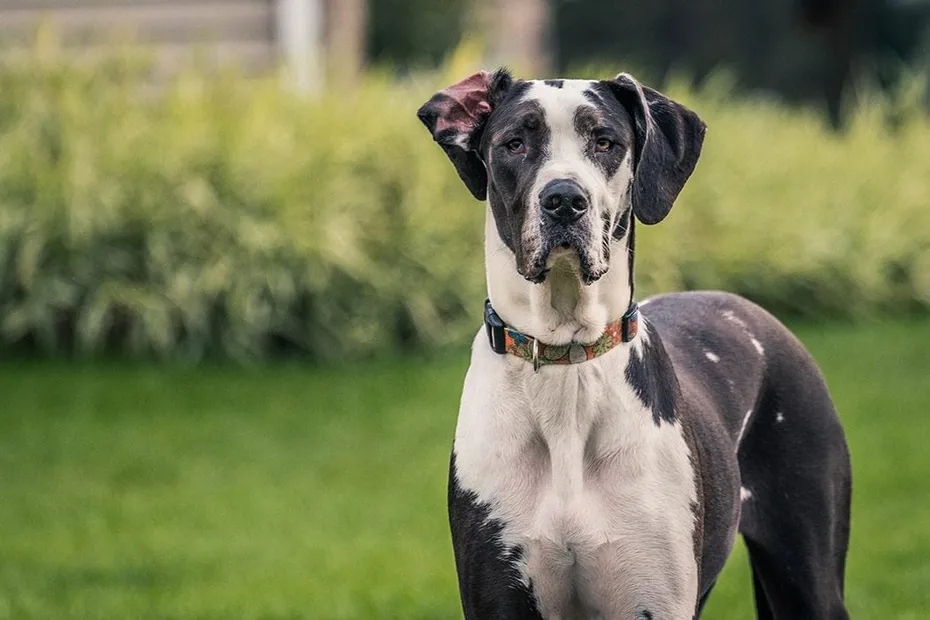
The European Great Dane started appearing in the United States during the 19th century and were later selectively bred according to American breeding preferences. The breed was recognized by the AKC in 1887. While they’re technically the same breed as the European Great Dane, different breeding practices have resulted in a few minor physical and temperament differences, which is why these dogs are distinguished by the location in which they were bred. These distinctions are informal and generally refer to the region and style of breeding rather than separate breeds.
Personality / Character
Although Great Danes are extremely large, this is generally a kind and gentle breed. These dogs love to spend time with their human companions and often get along well with children, when properly socialised and supervised. They tend to be affectionate and loyal and love to socialize at home and in public settings. They can also make good guard dogs, as protecting their family members is a priority to them.
Training 🎾
Great Danes usually respond well to regular positive-reinforcement training. Early socialization and obedience training are especially important while they are still puppies to help encourage good manners and confidence as they grow. These dogs tend to be highly energetic, so training can help them release their energy in positive ways. Consistent obedience training should continue throughout a Great Dane’s life due to their large size and personality.
Common Health Issues
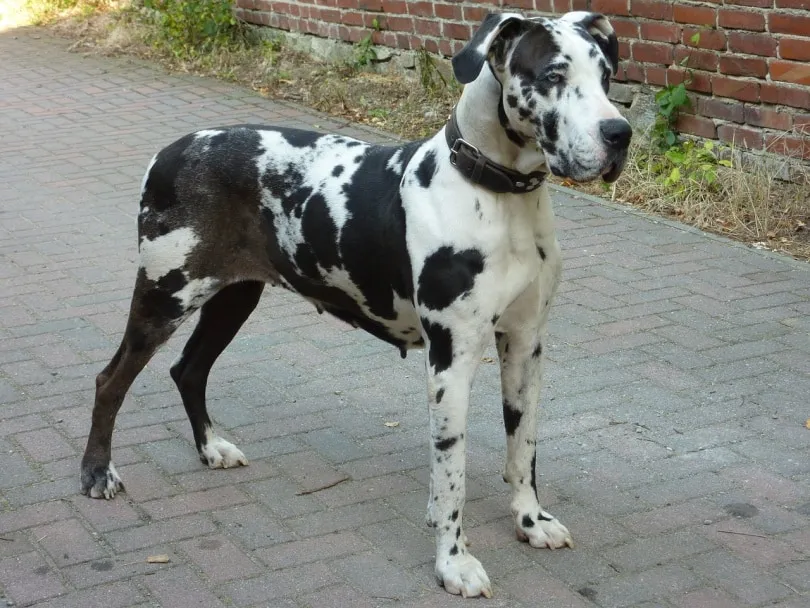
This dog breed is generally healthy, but their large frame can make them prone to certain health conditions that every owner should be aware of. For example, gastric dilatation-volvulus (GDV), commonly called bloat, is a deadly condition that primarily affects giant breeds like Great Danes. Here are a few other health conditions that Great Danes could develop:
- Hip dysplasia
- Elbow hygroma
- Hypothyroidism
- Heart disease
- Wobbler syndrome
Suitable for:
The American Great Dane is an excellent family dog that can get along well in a variety of household situations. While a house with a fenced yard is ideal, this breed can live happily in an apartment setting if they can go out for walks and playtime daily. Due to their large size and strength, Great Danes may be more challenging for seniors or people with mobility limitations to handle, especially without assistance or proper training.
European Great Dane Overview
European Great Danes are often described as slightly more laid back and heavier built than American Great Danes, though temperament can vary widely between individual dogs. Many Great Danes, regardless of bloodline, are affectionately referred to as “couch potatoes” because they enjoy lounging with their families when indoors. Today, both European and American Great Danes are primarily bred as companion, show, and family dogs, though some bloodlines may emphasize different physical or temperament traits.
Exercise 🐕
Although European Great Danes enjoy couch time, they also like to get outside and be active during the day. These dogs should get at least 1–2 hours of exercise each day to stay happy and healthy throughout their lives. Exercise can come in the form of walking, agility training, dog park visits, and games of fetch in the park.
Sociability
Great Danes are generally sociable dogs, though some European Great Danes are often described as slightly more reserved or independent than American line dogs. Individual temperament can vary widely depending on breeding, training, and socialization. These dogs should start socializing with other people and dogs while puppies to help ensure that they don't become shy, anxious or insecure as adults. They can get along well with well-behaved children, although their size can be a danger to little ones if they get carried away during playtime.
Breeding
The breeding of European Great Danes is still going strong today. Not all breeders are created equal, though, so it’s important to do your due diligence and ensure that you understand exactly how a breeding operation works before deciding to purchase a pup from them. Keep in mind that Great Danes end up in shelters just like any other dog, so it’s always a good idea to check all your local shelters and humane societies for a pup to adopt before trying to buy from a breeder.
Suitable for:
Great Danes are primarily companion dogs today and are not commonly used as hunting or farm working dogs in modern settings. Great Danes are best suited for families or individuals who can provide consistent training, structure, and daily exercise. These are hardworking dogs that love spending time with their human companions and don't mind cuddling on the couch while their family watches a movie. They need plenty of room both inside and out to stretch and play. They also benefit from owners who can provide clear, consistent training based on positive reinforcement.
Physical Characteristics
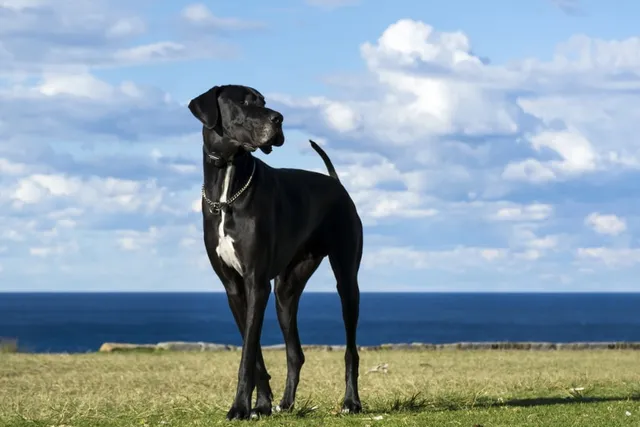
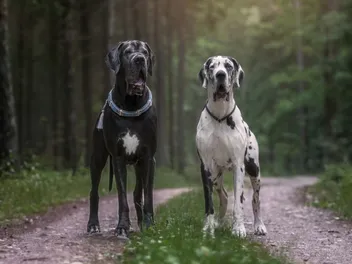
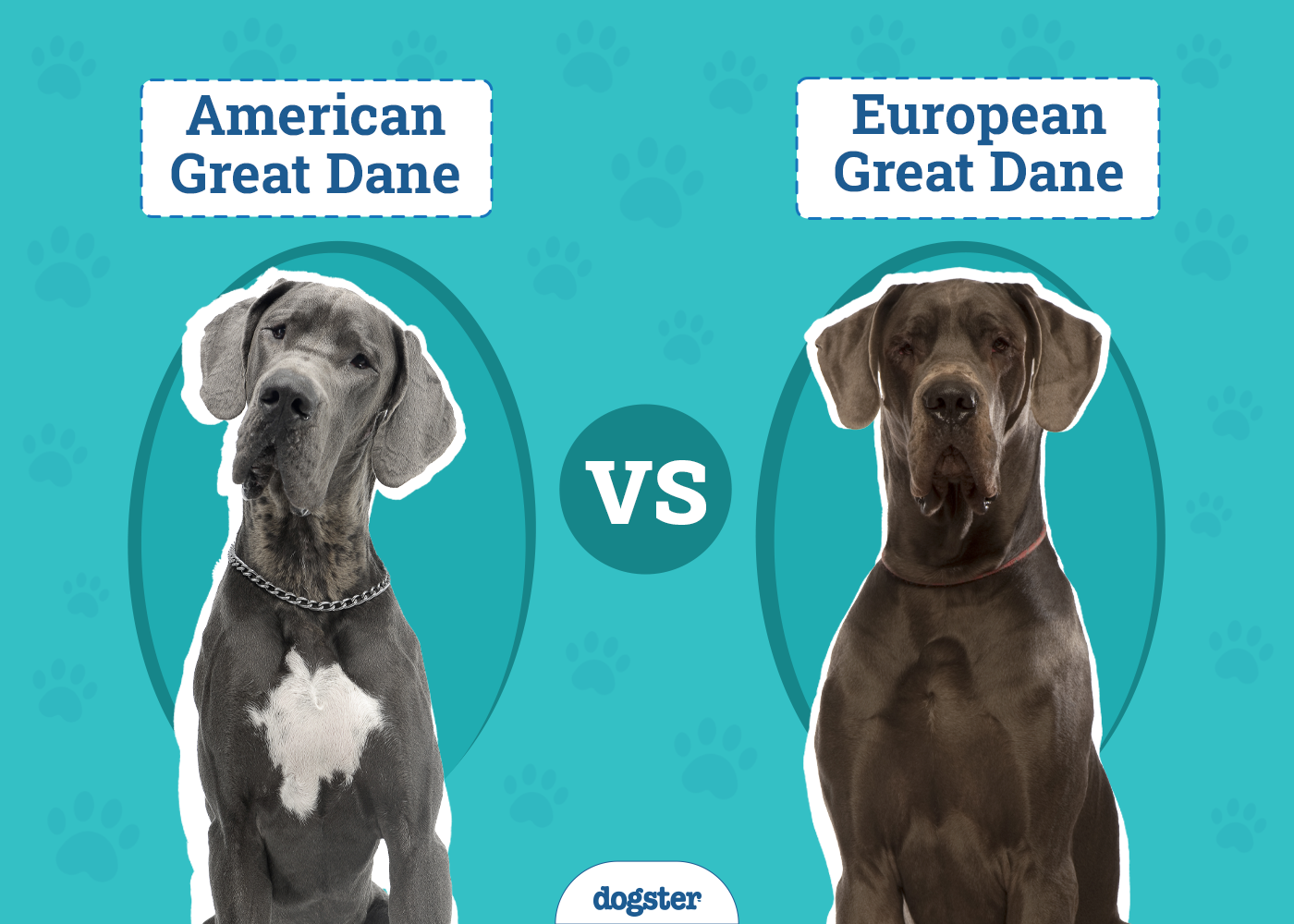
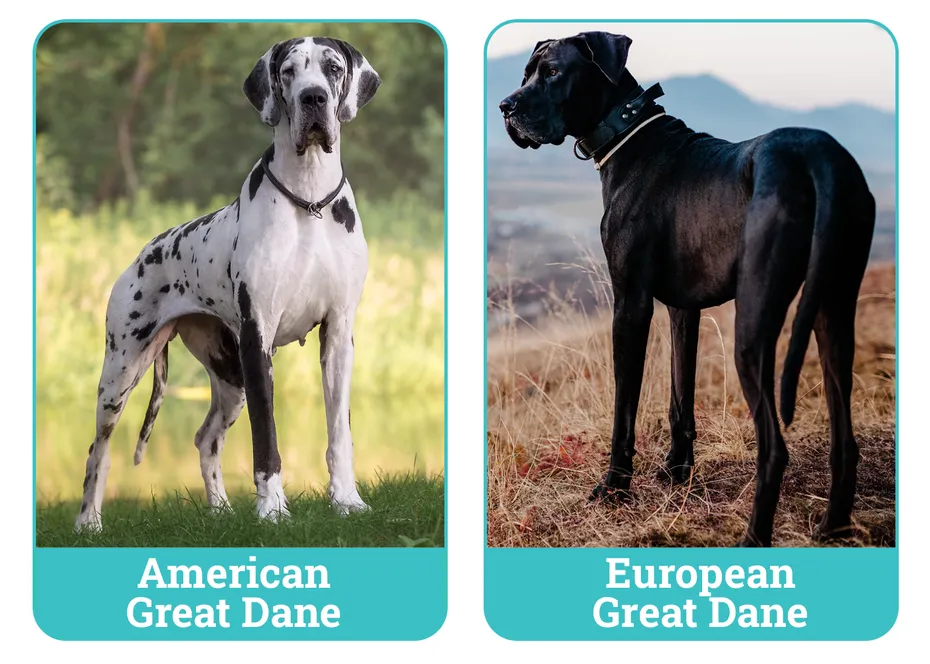
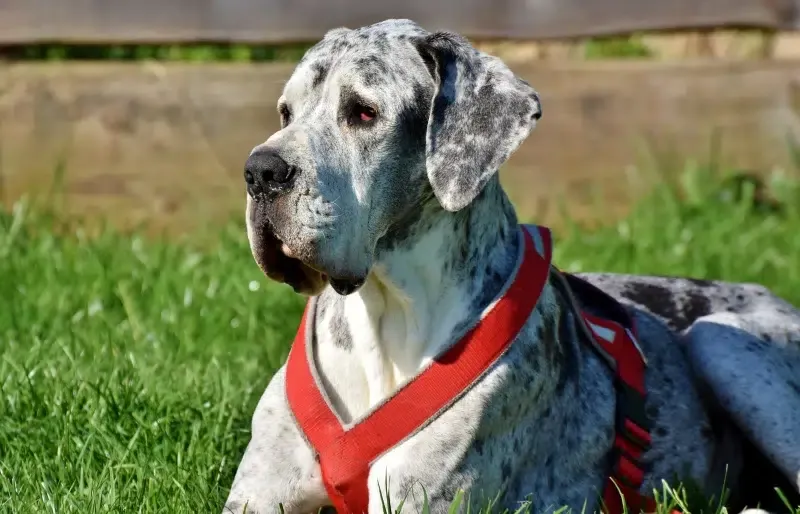
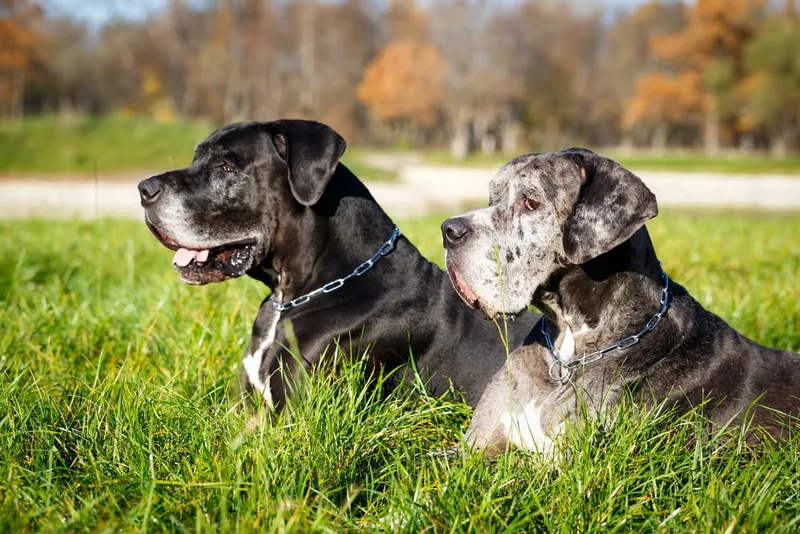
When looking at an American and a European Great Dane, you’ll notice that the latter is often bulkier than the former. They are both about the same height, but the European Great Dane is typically considerably heavier than the American Great Dane. Their chest is typically broader and their cheeks “looser," whereas the American Great Dane's chest is thinner and their facial cheeks “tighter.”
European Great Danes also tend to have heavier bone structure, thicker necks, and a more mastiff-like appearance overall. American Great Danes are often leaner and more refined in build, with a slightly more athletic appearance. Due to their looser facial skin and flews, European lines may drool more than American lines, although drooling can vary significantly between individual dogs.
Otherwise, both types of Great Danes look remarkably similar (it’s hard for many people to tell the difference, especially through pictures) and can develop a variety of different coat colors. The terms American and European Great Dane generally refer to different breeding lines and conformation standards, rather than strict geographic locations where the dogs are exclusively bred.
Which Dog Is Right for You?
The right Great Dane for you is one that comes from a responsible breeder or adoption source and matches your lifestyle, experience level, and household needs. While geography may influence convenience, factors such as temperament, health testing, and breeder practices are more important than whether a dog is sourced locally or internationally. Great Danes today are primarily companion dogs, and while they can be protective and adaptable, they are not typically used for hunting or farm work in modern settings. All Great Danes have unique personalities, so it’s a matter of finding one that gets along well with everyone in your family.
See also:
Featured Image Credit: Top - American Great Dane (Tara Lynn and Co, Shutterstock) | Bottom - European Great Dane (BIGANDT.COM, Shutterstock)
Expert dog care, straight to your inbox
News, insights, expert advice, and everything dog.

No spam — unsubscribe anytime.
By signing up, you agree to our Terms & Conditions and Privacy & Cookies Policy.
How useful was this post?
Click a star to rate. You can leave written feedback afterwards. (We read all feedback.)
Rachael has been a freelance writer since 2000. In this time she has had an opportunity to research and write about many different topics while working to master the art of fusing high-quality content with effective content marketing strategies. She is an artist at heart and loves to read, paint, and make jewelry. As a vegan, Rachael is obsessed with helping animals in need, both in her community and anywhere in the world where she feels she can make a difference. Animals also happen to be her favorite topic to write about! She lives off the grid in Hawaii with her husband, her garden, and her rescue animals including 5 dogs, a cat, a goat, and flock of chickens.