Dalmatian vs Great Dane: Key Differences (With Pictures)

In this article
Picking a new pet is difficult—do you want a dog or cat, what breed do you want, and where will you get it? So, it’s a relief when you’ve finally narrowed your options to just one or two breeds. However, this is when you’ll need to do your research and deep-dive into finding out all you can about those breeds to make your decision. But who has time for that?
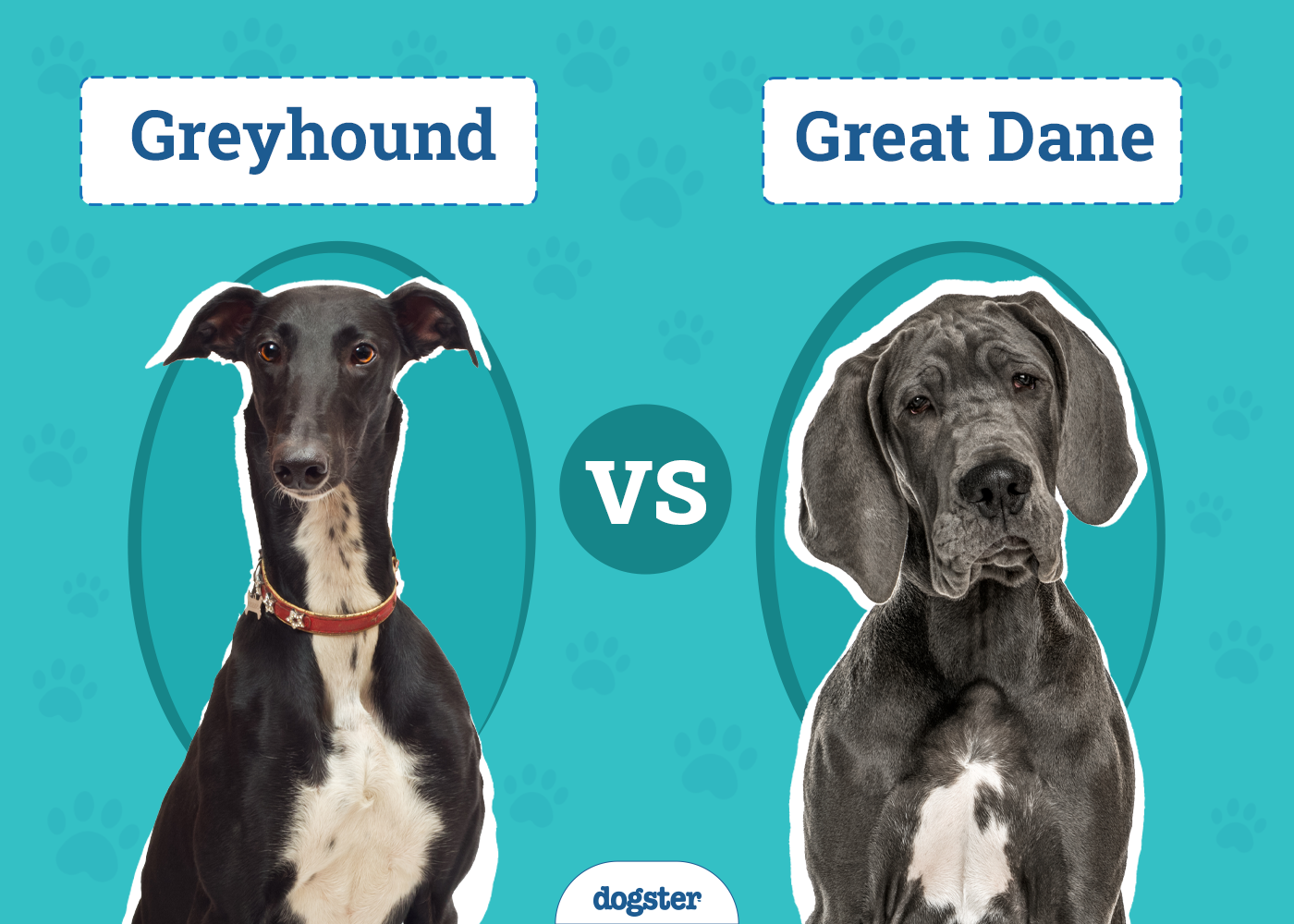
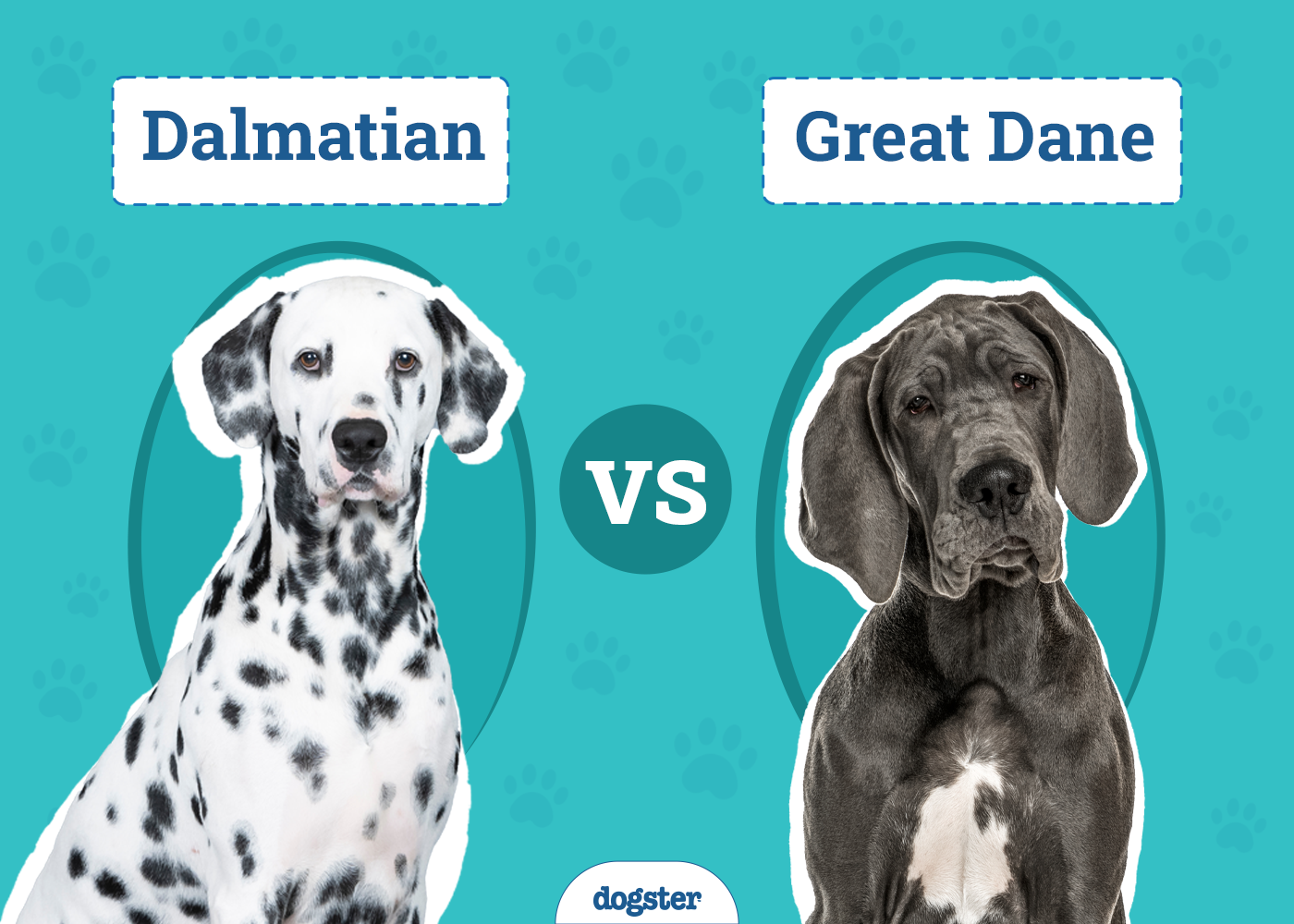
If you’ve narrowed your choice down to a Dalmatian or Great Dane, you’re in luck because we’re here to give you the rundown on the most important things you should know about owning these breeds. Both of these dog breeds make excellent pets, but they do have some major differences. Keep reading to figure out which dog breed will be best for you and your family!

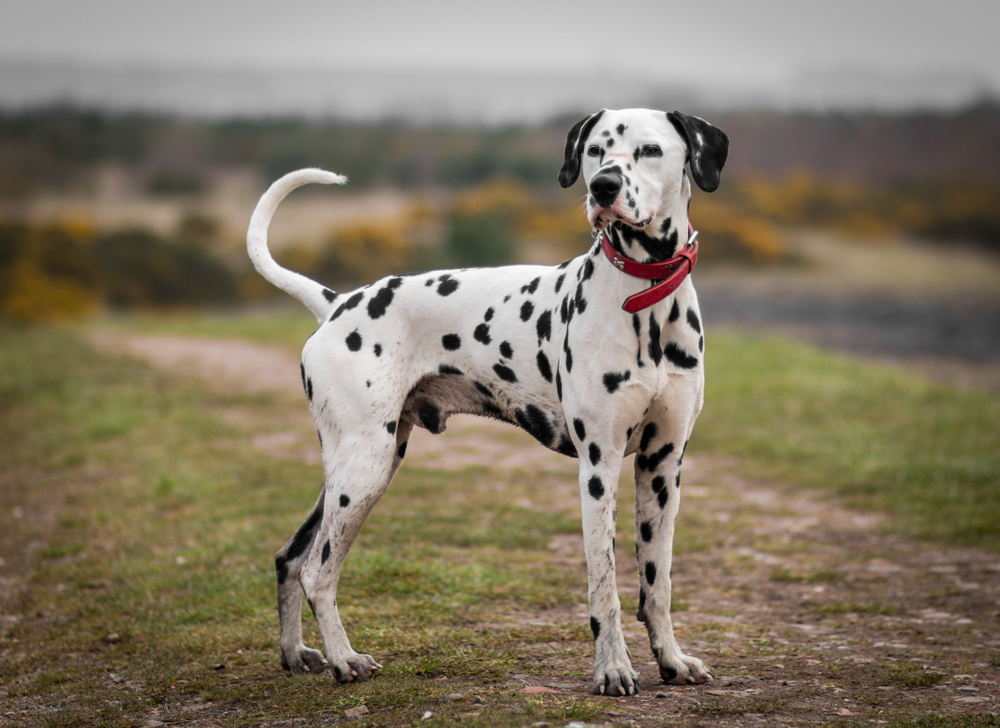
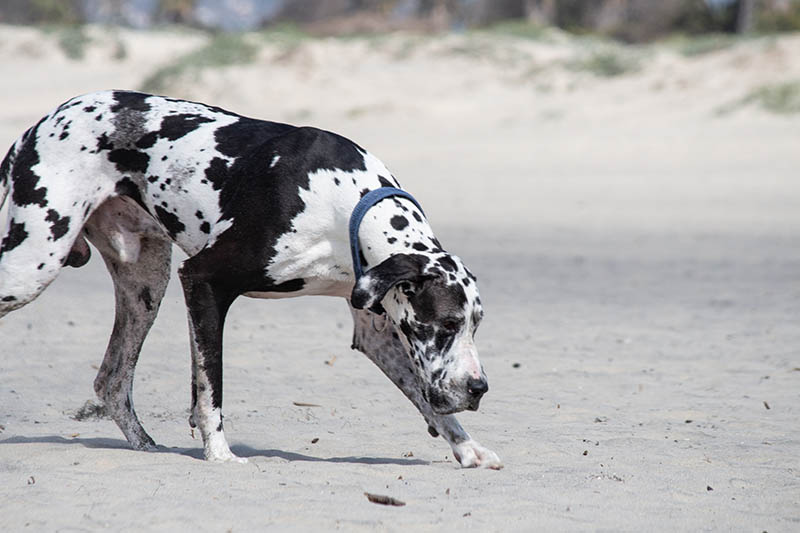
Visual Differences

At a Glance

Dalmatian Overview

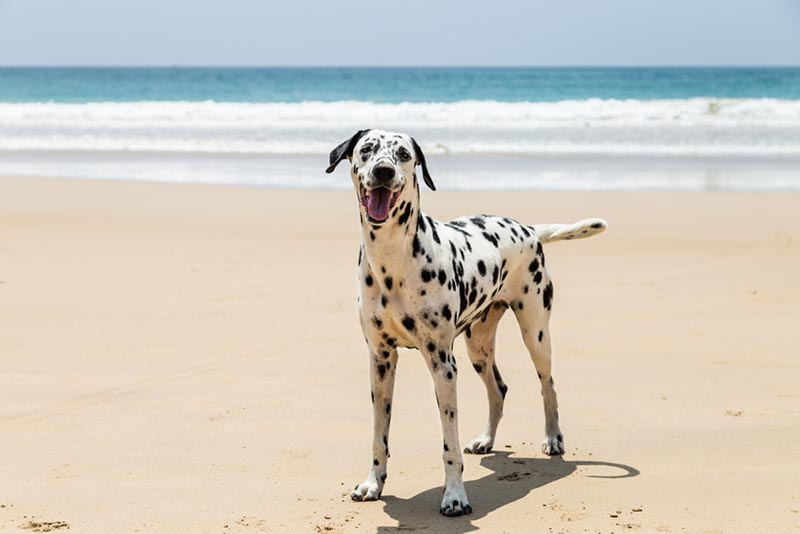
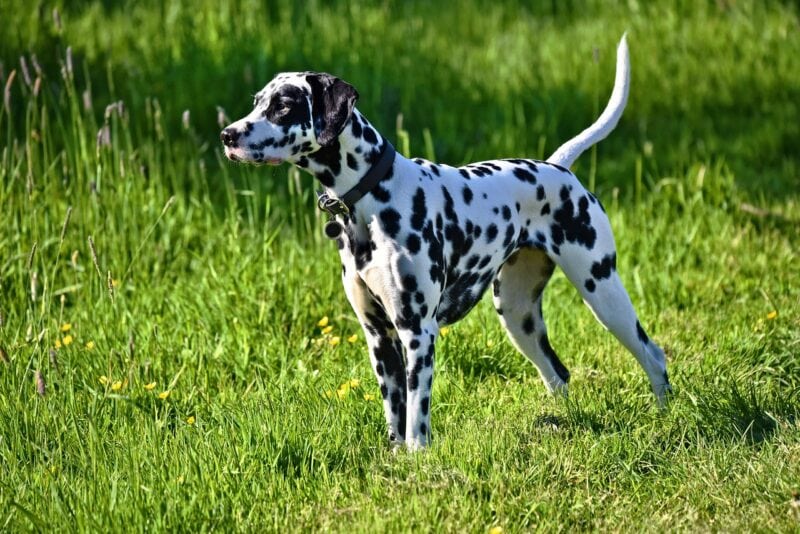
The Dalmatian may be best known for being the mascot of fire stations, but they also make wonderful pets. Originating in the Mediterranean region, this breed was initially bred to guard passengers in stagecoaches, fire trucks, and other vehicles, as well as for herding livestock. Today, though, they’re mostly kept as pets.
Best known for their lovely spotted coats, the Dalmatian is super active and high-energy, so you’ll spend plenty of time playing with them and going on adventures. The breed is also incredibly friendly and fiercely loyal to its people, making them excellent pets for the right family.
Personality
As we said, the Dalmatian is high-energy, so you’ll need to live an active lifestyle to keep up with these pups! They’re also incredibly gentle and super friendly, making them a good addition to families with kids. And because they live for affection and attention, you’ll have plenty of opportunities to cuddle up with your Dalmatian.
The breed is also intelligent, which aids in making training them simpler (and makes these pups a good choice for hunters). One thing to note, though, is that Dalmatians are prone to separation anxiety, so if you’re away from home often, this won’t be the breed for you.
Exercise 🐕
When it comes to ensuring a Dalmatian is getting enough exercise, be prepared. These dogs are so full of energy that they’ll need at least 2 hours of exercise and play each day. After all, the Dalmatian was originally bred to run alongside vehicles to protect passengers; that means they can easily run 20–30 miles a day! So, if you’re more couch potato than exercise fiend, this might not be the best breed for you.
You can fit in the daily 2 hours of exercise with a couple of walks or runs a day, playing in the backyard or at a dog park with other dogs, or having your dog run agility courses. And a Dalmatian will greatly enjoy being able to go on hikes and other adventures with you!

Healthcare
Dalmatians can live a long time—up to 16 years!—but that doesn’t mean there aren’t certain health conditions they’re prone to getting. If you adopt a Dalmatian, you’ll need to watch for these health issues, so your dog can have a long, healthy life.
- Deafness
- Cataracts
- Hip dysplasia
- Dal Crud (Dalmatian Bronzing Syndrome)
- Congenital Laryngeal Paralysis
Suitable For:
Dalmatians make wonderful family pets. However, because they’re so energetic, they might do better with older children than very young ones, as they may accidentally knock little ones down in their exuberance. The breed also needs an owner or family that is active and eager to go out and walk, run, and hike with them.
When it comes to other pets in the home, so long as a Dalmatian has been properly socialized and trained, it should do well with other animals.

Great Dane Overview

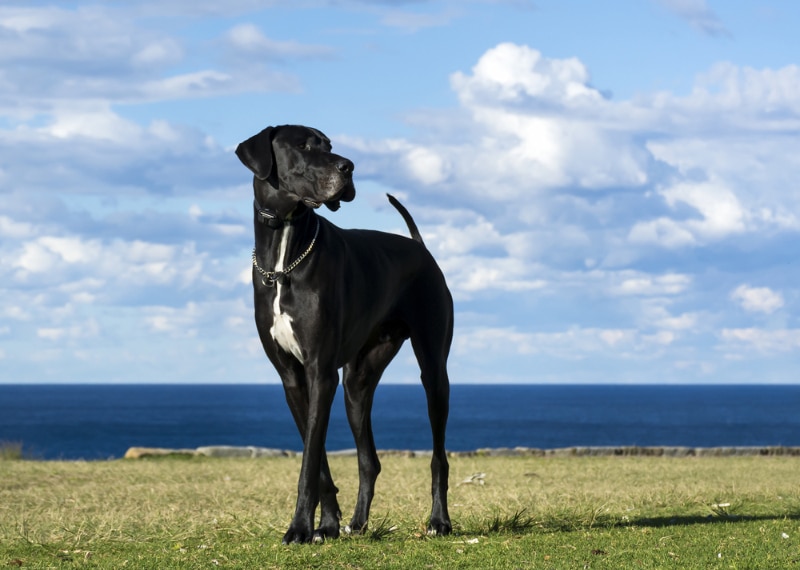
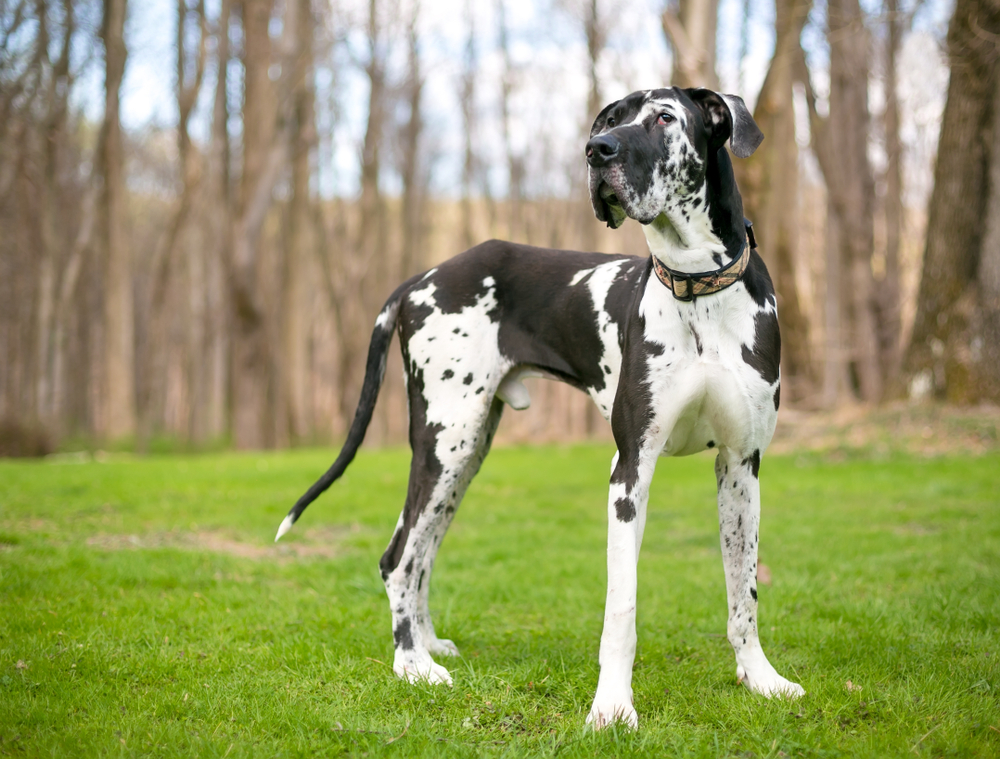
Great Danes may be descendants of Mastiff-type dogs, but they’ve certainly grown more refined over the years, more so than other descendants of the Mastiff. This breed used to be known for being aggressive and ferocious since they were initially bred for boar hunting and needed to be able to fight. However, these days the Great Dane breed is known as a gentle giant. The breed also has a long and storied history, considering they have been around since the days of ancient Egypt.
Though these dogs are quite large (among the largest dogs in the world, as a matter of fact), they are incredibly sweet and gentle, making for amazing pets.
Personality
You’d be hard-pressed to find a kinder, gentler dog than the Great Dane. This giant breed is affectionate, loving, and sweet as can be. With one of these dogs around, you’ll find yourself snuggled up with a ginormous cuddle buddy more often than not, as the Great Dane is eager for affection and attention at all times (and loves to return that affection and attention to their people).
This breed is also quite smart and always ready to please its family, so training one should be a breeze. And though the Great Dane was originally bred for boar hunting and aggression, these days, you’ll rarely, if ever, find one of these dogs engaging in aggressive behavior. So, the Great Dane—despite its large size—won’t be the best choice if it's a guard dog you're seeking.
Exercise 🐕
Many large dog breeds need a lot of exercise each day, but the Great Dane isn’t one of these. These pups aren’t nearly as energetic as other large dogs (they’re happier cuddling up with you!), so you won’t have to engage in too much daily exercise with them.
In fact, you’ll typically only need to exercise your Great Dane for about 30 minutes a day. Running and walking are excellent choices for this daily exercise as it will stretch muscles and aid in keeping joints healthy. Or you can engage in a backyard romp with your dog if you want to keep things closer to home. However, you should remember that Great Danes must be at least 18 months old before they start jumping around or going on runs. If you start them at a younger age, you run the risk of damaging bones and joints!

Healthcare
Unfortunately, dog breeds on the larger side tend to be less healthy than their smaller canine counterparts. And the Great Dane follows that rule of thumb, which is why they usually don’t live to be over 10 years old. Before adopting one of these gentle giants, you should know what you’re looking at health-wise. Here are just a few health conditions the Great Dane is prone to getting.
- Dilated cardiomyopathy
- Bloat
- Joint issues
- Bone cancer
- Hip dysplasia
Suitable For:
So long as you have the space to house a Great Dane, the breed makes a wonderful pet for nearly anyone. In particular, the Great Dane makes an excellent family pet, as they are incredibly loving and gentle, and despite their large size, they’re amazing with kids.
When it comes to other pets in the home, the Great Dane will get along with most animals, no matter what size they are. Unlike some other dog breeds that used to be hunters, the Great Dane has a low prey drive, so it won’t go chasing after cats or smaller pups.
Which Breed Is Right for You?

Whether a Dalmatian or Great Dane is right for you will depend on a couple of things. The first will be how much space you have. The Great Dane is quite large, so if that’s the breed you want to go with, you’ll need to be sure you have enough space for it to live and grow. Next will be how active you and your family are. If you’re more likely to be found watching Netflix than going out for a jog, then you’ll probably want to skip getting a Dalmatian.
Other than that, though, it really comes down to personal preference—do you want a gentle giant or a high-energy, active dog? Whichever way you go, rest assured that either breed makes for a wonderful pet!
Featured Image Credit: (UP) Mirko Kaminski, Pixabay | (Down) everydoghasastory, Shutterstock
Expert dog care, straight to your inbox
Vet-reviewed advice, training tips, and the best of Dogster. Free, and you can unsubscribe anytime.
By signing up, you agree to our Terms & Conditions and Privacy & Cookies Policy.
Misty Layne lives out in the woods in small-town Alabama with her two Siamese - Serafina & Jasper. She also has an array of stray cats, raccoons, and opossums who like to call her front porch home. When she’s not writing about animals, you’ll find her writing poetry, stories, and film reviews (the animals are, by far, her favorite writing topic, though!). In her free time, Misty enjoys chilling with her cats, playing piano, watching indie and foreign films, photographing abandoned places, and catching up on her never-ending TBR list.
Join the conversation
Ask a question, share your story, or send private feedback.