Can Golden Retrievers Be Aggressive? Vet -Verified Facts & FAQ


In this article
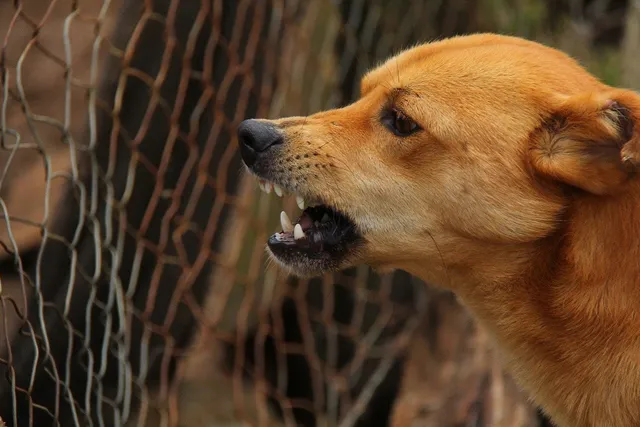
Perhaps you’ve had a run-in with an aggressive Golden Retriever or are just curious about the idea. How on earth does one of the most lovable and gentle dogs out there become aggressive?
Unfortunately, it is not unheard of. Golden Retrievers are capable of showing aggressive behavior, although the breed is generally known for a friendly and social temperament.
We look at a few of the factors that can cause aggression in Golden Retrievers and a few of the common warning signs. We also look briefly at the methods that you can use to help prevent aggression in your Golden.

The 9 Common Causes of Aggression
It might be hard to imagine if you’ve never seen an aggressive Golden Retriever firsthand. But it’s quite possible, particularly when the dog has been mistreated in some way.
1. Abuse
This is an unfortunate truth. If a dog, regardless of the breed, has been physically and/or emotionally abused, they are much more likely to show fear-based or defensive aggression. Dogs that have only known abuse may learn to associate people with fear or pain, so it’s no surprise that they will react defensively and aggressively.
2. Neglect
Neglect is absolutely a form of mistreatment that can contribute to behavioral problems, including anxiety and aggression. It can be withdrawing any kind of love or affection or even just attention from a dog, but it can also include not providing the dog with the basic necessities of life, such as food and water.
When a Golden has experienced food insecurity or inconsistent feeding, they may develop resource guarding behaviors, which can include growling and biting at anyone or anything while they are eating.

3. Fear/Anxiety
Fear of a new situation or a previous traumatic experience can cause fear aggression, which is a defensive behavior. This is considered one of the most common causes of aggressive behavior in dogs.
4. Illness or Pain
Dogs that are in pain or are sick can react with aggression. They feel vulnerable, and if they are in pain or some form of discomfort, they can lash out in a protective or defensive reaction.
If you suspect your dog is in pain or is suffering from an illness, you should contact your vet directly for an assessment. They can provide you with more information and a care plan.
5. Specific Illnesses
This is different from a dog feeling sick. There are certain illnesses that can contribute to behavior changes, including irritability or aggression. The most famous is rabies, but hormonal imbalances or metabolic and genetic disorders can also affect behavior. Examples include hypothyroidism, brain disease or tumors, and seizure disorders. However, true medical causes of primary aggression are uncommon.

6. Lack of Physical Exercise
Dogs that aren’t being given the opportunity to run or even walk to burn off their excess energy can become frustrated, restless, and more likely to develop problem behaviors. This kind of reaction is often related to unmet physical and mental needs, but can definitely become a habit if the problem isn’t addressed.
7. Danger or Threat
All dogs will react aggressively if they feel threatened or feel the need to protect their territory, including their families. If someone who is not a part of your family or another dog is acting threateningly, don’t be surprised to find your Golden growling at them. This is particularly true for a mother dog protecting her puppies.
8. Lack of Socialization
Dogs that weren’t socialized during the early socialization period (approximately 3–14 weeks of age) or trained appropriately can develop fear-based responses as adults. A dog without the proper socialization will be nervous and fearful in new situations and around unfamiliar people or animals, which can increase the risk of defensive aggression.

9. Irresponsible Breeding
Backyard breeders and puppy mills are a part of the neglect/abuse area of things. But they can also increase the risk of behavior and temperament issues in their puppies due to poor breeding practices, lack of proper early care, and limited socialization. Temperament has a genetic component, so if the parents or close relatives showed fearful or aggressive tendencies, this can make it more likely for similar traits to appear in future generations, though a dog’s environment and early experiences also play an important role.
The Warning Signs
It is helpful to recognize the warning signs before a dog acts out with aggression. A few of these will be obvious, but most signs can be overlooked or misunderstood. Body language that your Golden might display, often as stress or discomfort increases and before aggression occurs, includes:
These are all signs that a bite may occur if the dog continues to feel threatened or uncomfortable, so proceed with caution if your dog is exhibiting these signs.
The 6 Tips for Preventing Aggression
These are all signs that a bite may occur if the dog continues to feel threatened or uncomfortable, so proceed with caution if your dog is exhibiting these signs.

1. Socialization
Just as improper socialization can lead to eventual aggression, the right socialization can reduce the risk of it. When your puppy or dog is introduced gradually and positively to as many environments, situations, people, and animals as possible, they gradually learn not to be afraid of new things.
2. Use Positive Reinforcement
Never punish your dog, as this can increase fear and anxiety, and they also don’t really understand what they did wrong. Using praise, pets, and treats when your dog does something right is the best method for training all breeds. You can always turn to your veterinarian for advice on the best training approach for your dog.
3. Find a Good Breeder
The genetics of the dog are important, and so is how the breeder raises the puppies. This is where socialization begins and where the puppy’s first relationships begin.
4. Patience and Love
This is important for every single dog out there, but it is particularly true for rescue dogs. If you have a Golden that has been abused before coming home with you, you’ll need to be especially patient and loving with these dogs. Rescue dogs may need time and positive experiences to gradually learn to trust again.

5. Prevent the Triggers
The most obvious thing that you can do is to try to stop your Golden’s triggers from occurring around them. If you have a handle on what causes an aggressive reaction from your dog, try to fix it. But first, take your dog to the vet to rule out any injury or illness.
If your Golden is triggered by other dogs, you can redirect your dog’s attention away from the situation. However, remember to not use treats, toys, or praise, or your dog will think that aggressiveness is a good thing because you’re rewarding the behavior.
6. Exercise
Ensure that your Golden is receiving plenty of exercise. They are energetic dogs that need to engage in many types of activities and training, which can help reduce frustration, stress, and problem behaviors that may contribute to aggression. You should also look into enrolling your dog in obedience classes or even agility trials and dock diving. These dogs are hard-working, and if you give them a job to do, they are less likely to become aggressive.

Summary
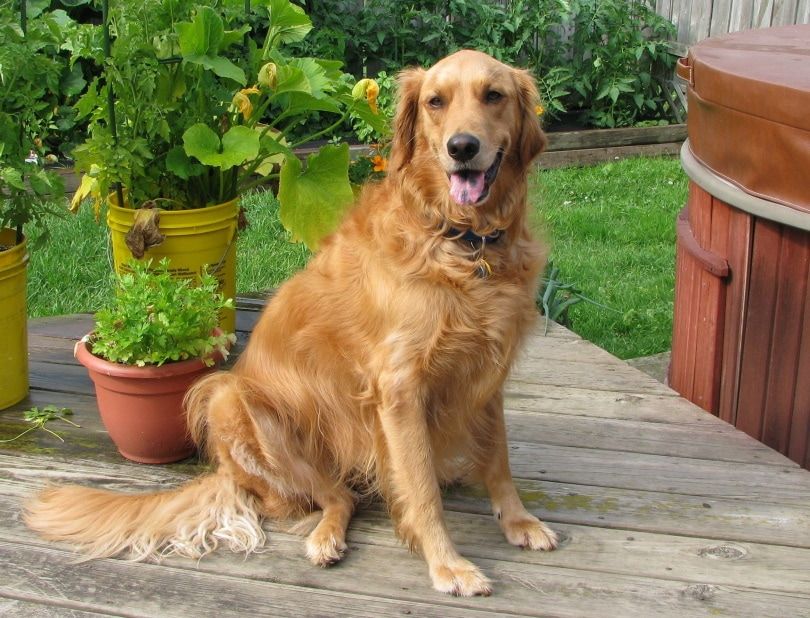
We all know how sweet and happy Golden Retrievers are. They are the fourth most intelligent dog breed (behind the Border Collie, Poodle, and German Shepherd), and they are highly sensitive dogs. So, while it isn’t common to run into an aggressive Golden, it is always a possibility.
The first sign of any kind of aggression needs to be addressed, even if it means talking to an animal behaviorist or vet. You want to ensure that it isn’t a health issue, or if it’s stemming from something else, it needs to be nipped in the bud.
Keep in mind that if you have a happy and confident dog, it’s less likely that they will be aggressive. Just spend time with your Golden and give them plenty of love and attention, and that dog will absolutely be devoted and confident and unquestionably, a happy and loving companion!
See also: Corgi Golden Retriever Mix
Featured Image Credit: Piqsels
Expert dog care, straight to your inbox
Vet-reviewed advice, training tips, and the best of Dogster. Free, and you can unsubscribe anytime.
By signing up, you agree to our Terms & Conditions and Privacy & Cookies Policy.
Kathryn was a librarian in a previous lifetime and is currently a writer about all things pets. When she was a kid, she hoped to work in a zoo or with wildlife in some way, thanks to her love for animals. Unfortunately, she's not strong in the sciences, so she fills her days with researching and writing about all kinds of animals and spends time playing with her adorable but terribly naughty tabby cat, Bella. Kathryn is hoping to add to her family in the near future – maybe another cat or two and a dog.
Join the conversation
Ask a question, share your story, or send private feedback.