When Will My Golden Retriever Stop Teething? How to Help & Training Tips



In this article
Golden Retrievers are intelligent, friendly, and adorable giants who make amazing family pets. But before they turn into the big, lovable dogs we know and love, they go through a teething phase where they'll chomp on anything and everything. And those teeth are sharp! If you're tired of feeling like a stuffed toy, we have good news: just hang in there until your Golden Retriever puppy stops teething at around 6 months old.

Puppy Teething: Behind the Scenes
On the surface, your Golden Retriever puppy just seems like they're biting everything in sight because they're mischievous. But there's actually a lot going on behind the scenes during this phase of their life.
The puppy teething period starts around 2–4 weeks old when their baby teeth, or deciduous teeth, start to come in. By 5–6 weeks old, all of their deciduous teeth should be in—a total of 28. These include 12 incisors, 4 canines, and 12 molars.
As their deciduous teeth start to come in, you'll notice your puppy biting and gnawing on everything they can get their teeth on. They're not trying to be naughty. Instead, they're trying to soothe the pain and discomfort that comes with teething.
Puppy teeth are sharp, and as they start to come in, they can cause irritation to your puppy's gums. In some cases, it can even cause bleeding, swelling, and inflammation. That's why chewing on things feels good to them. Think of it as a massage for their gums.
In addition to the physical pain, teething can also be a stressful time for your puppy. Their whole world is changing. They're growing bigger, their teeth are coming in, and they're starting to explore their surroundings more. It's a lot for them to handle, and chewing can help them cope with the stress.
Finally, they have no idea that they're hurting you when they bite. To them, it's just playing. They don't understand that their teeth can do damage.
When Do Puppies Stop Teething?
The puppy teething stage doesn't last long. By the time they're 6–8 weeks old, their deciduous teeth should be in. And by the time they're 6 months old, they should have all of their adult teeth—a total of 42!
During this time, you'll gradually see your puppy's biting habits improve. As their adult teeth come in, they'll start to lose their baby teeth. And as they get used to having their new teeth, they'll be less inclined to bite everything in sight.
Of course, every puppy is different. Some may stop biting sooner than others. And some may never completely lose their biting habits. But in general, you can expect your puppy's biting to improve as they get older.

How to Help Your Puppy (and Yourself) Through the Teething Process
There are a few things you can do to make the teething stage less painful and stressful for your Golden Retriever puppy:
1. Offer Them Chew Toys
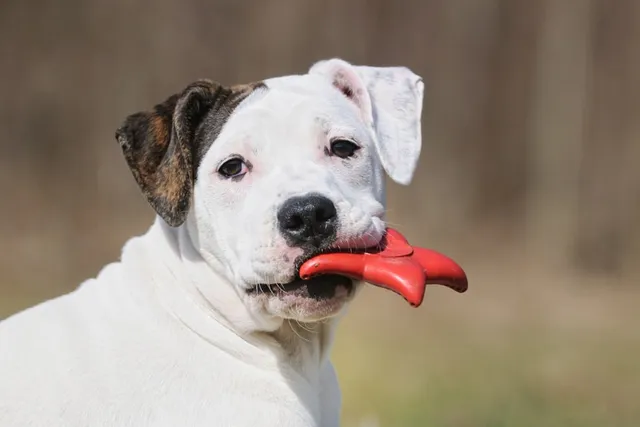
Chew toys are a great way to help your puppy through the teething process. They give them something to chew on that's safe and won't damage your belongings.
As for the best chew toys to give your puppy, choose ones that are soft and pliable. Hard toys can damage their new teeth. You can also buy puppy versions of baby teething toys, which you can freeze to help soothe their gums.

2. Puppy-Proof Your Home
Your puppy is going to bite everything they can get their teeth on, so it's important to puppy-proof your home. Put away anything that's small enough to fit in their mouth and anything that's fragile or valuable.
Consider using baby gates to block off certain areas of your home, like the kitchen or your bedroom. You may also want to consider using a crate or exercise pen to confine your puppy to a smaller area when you can't watch them.
3. Cover Your Legs and Arms
This is optional, but it can help you avoid getting bitten. If you're going to be around your puppy for an extended period, consider covering your arms and legs with long sleeves and pants. This will create a barrier between their teeth and your skin.

4. Feed Them a Nutritious Diet
A healthy diet is important for your puppy's overall health, but it can also help them through the teething process. A large breed puppy needs a diet formulated for their needs. We recommend reaching out to a vet for advice since choosing the most appropriate diet for your puppy is critical.
5. Give Them a Calming Activity
If your puppy is starting to get stressed out, consider giving them a licki mat. There are a variety on the market and the act of licking food from these textured surfaces can help relax your puppy.

6. Establish and Follow a Routine
A routine can help your puppy feel more secure during this chaotic time. Try to stick to a regular feeding and potty schedule. And make sure to provide them with plenty of opportunities for play and exercise. A tired puppy is a happy puppy!
7. Get Them Checked by a Vet
If your puppy is having a lot of trouble with teething, or if they seem to be in pain, make an appointment with your veterinarian. They can check to make sure their teeth are coming in properly, and they may be able to recommend a pain relief medication if your puppy is experiencing severe distress.

How to Train Your Golden Retriever to Stop Biting
Just because puppy teething is a natural process doesn't mean it's okay for your Golden Retriever to bite you. Although it may be cute when they're 8 weeks old, it's not so adorable when they're 2 years old, weigh 80 pounds, and have a full set of adult teeth.
A Golden Retriever's bite force is about 190 pounds per square inch. That's enough force to do some serious damage, even if they're just playing around. So it's important to teach them bite inhibition and how to interact with humans in a way that doesn't involve teeth.
Here are a few tips for training your Golden Retriever puppy to stop biting:
1. Use a Specific Command
When your puppy starts to bite, give them a specific command to stop, like "no," "leave it," or "gentle." The moment they let go of your skin, praise them and give them a treat.
The more you practice this, the more they'll learn that biting leads to an unpleasant consequence (losing your attention and not getting a treat) and stopping leads to a positive consequence (praise and treats).

2. Redirect Their Biting Behavior
To redirect means to change the focus of their attention. So, if your puppy starts to bite you, give them something else to focus on, like a chew toy or a bone. The key is to make sure the toy is more interesting to them than your arm or leg.
3. Ignore Your Puppy and Walk Away
Golden Retriever puppies love attention! So, if they're biting you and you give them the attention they crave, even if it's negative attention like scolding them, they'll just keep doing it.
Instead, try to ignore them completely. If they're biting your arm, remove them, walk away, and don't give them any attention until they stop. Over time, this will teach them that the fun times stop when they start to bite.

4. Give Them Time-Outs
Puppies still have a hard time regulating their emotions, so they can get overstimulated and bite out of excitement or frustration. If your puppy is starting to get too rowdy, give them a time-out by putting them in their crate or another designated area for a few minutes to calm down.
5. Tired Out Puppy
Puppies also bite when they are overtired. Ensure that your pup is getting enough sleep during the day and if necessary help them calm down and settle in for a nap.
Adult Golden Retrievers, on the other hand, may be bored, they are an active breed, so they need at least 60 minutes of exercise every day, preferably in the form of a vigorous walk or run.
If you can't provide this much exercise, consider hiring a dog walker or taking them to doggy daycare a few times a week. Throw in some mental games too, such as puzzle toys or training sessions, to help wear them out both physically and mentally.

Wrapping It Up
Understanding the puppy teething process won't erase the fact that it's painful, annoying, and sometimes dangerous when your puppy decides to use your arm as a chew toy. But it will help you be more patient with them as they go through this difficult stage.
Remember, puppies are just like babies at times. They need lots of love, patience, and understanding as they grow and learn. With time and training, your Golden Retriever puppy will outgrow this phase and become the well-behaved, lovable dog you know they can be.
See Also:
Featured Image Credit By: Photology1971, Shutterstock
Expert dog care, straight to your inbox
News, insights, expert advice, and everything dog.

No spam — unsubscribe anytime.
By signing up, you agree to our Terms & Conditions and Privacy & Cookies Policy.
How useful was this post?
Click a star to rate. You can leave written feedback afterwards. (We read all feedback.)
Nicole has loved animals of all sizes her whole life so it's no wonder she has dedicated her career to helping them through what she loves best: learning, writing, and sharing knowledge with others. She’s the proud mom of two dogs, a cat, and a human. With a degree in Education and 15+ years of writing experience, Nicole wants to help pet parents and pets around the planet to live happy, safe, and healthy lives.