Possessive Aggression in Dogs: How to Prevent & Stop It!

In this article
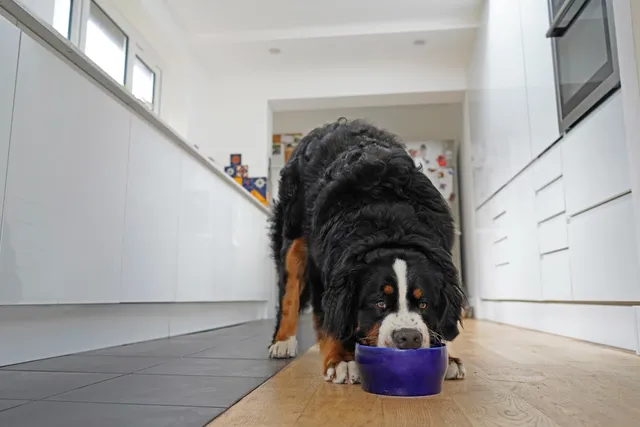
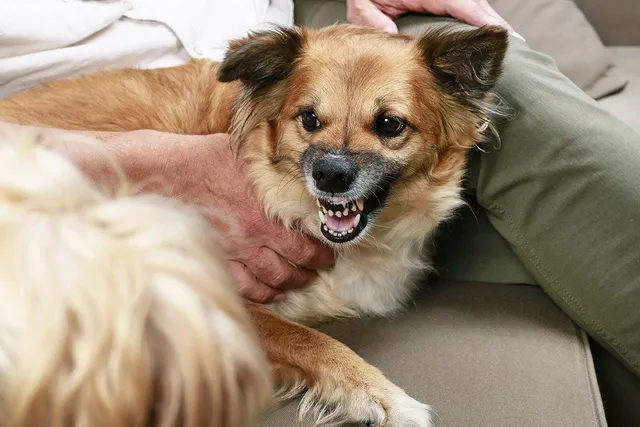
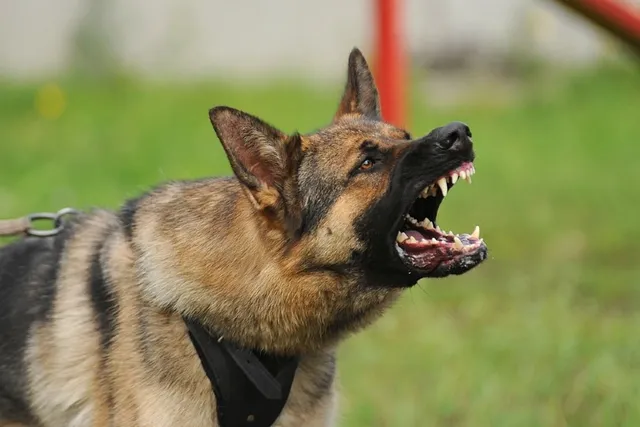
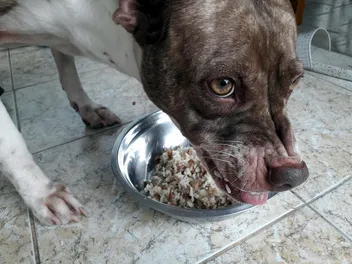
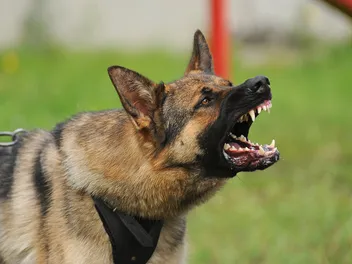
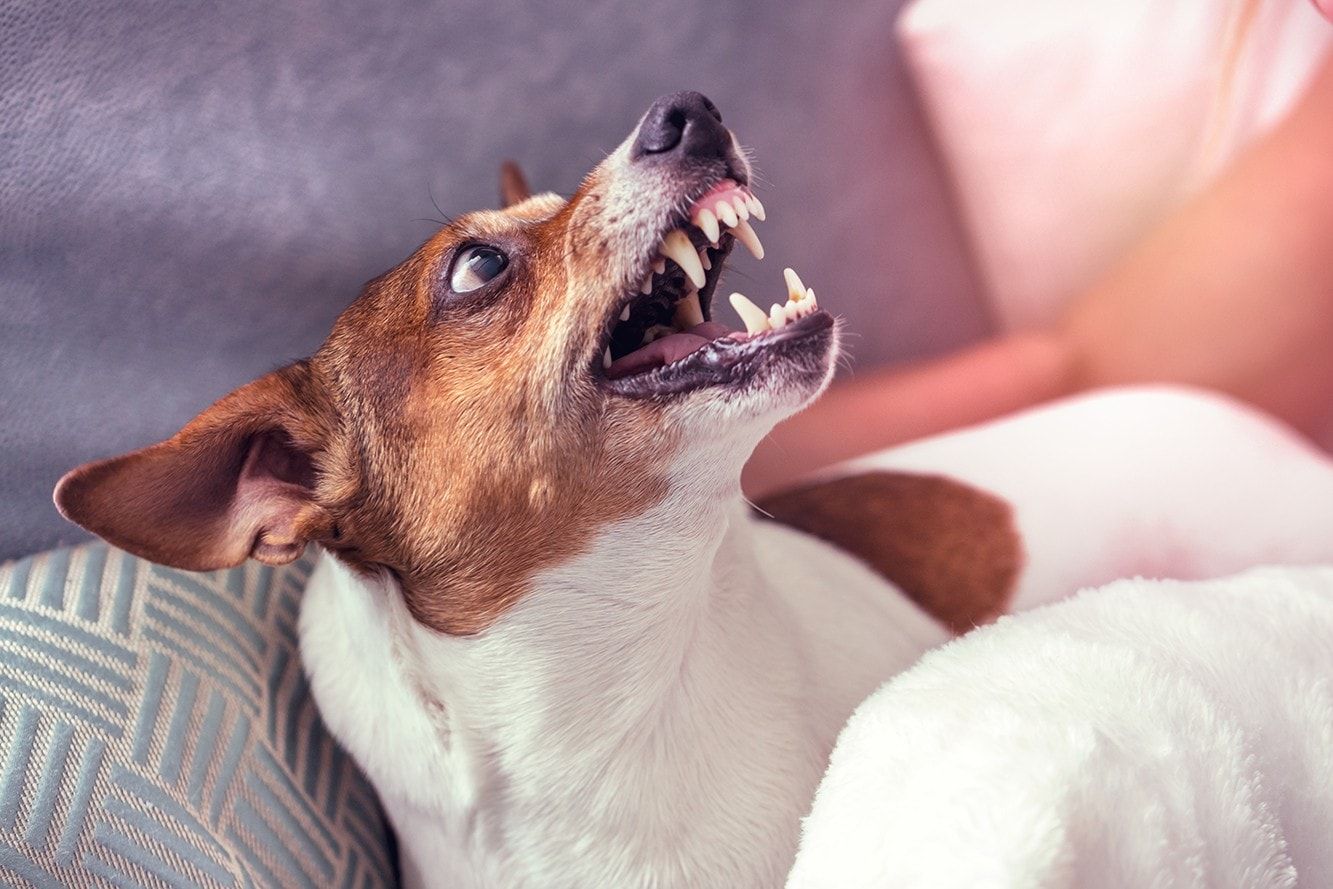
Possessive aggression occurs when a dog shows aggressive behaviors when they are trying to guard something. It can be a chew toy, food, or even a person. Typically, they’re afraid that someone is going to take the object from them, which is why they attempt to guard it aggressively.1
Typically, this behavior is instinctual.2 After all, in the wild, it was essential for dogs to guard their resources. However, it is not necessary for domestic dogs today and can lead to unnecessary injuries. Some dogs seem more prone to possessive aggression than others, but traumatic events can also cause the behavior.
While food is typically the object of desire, seemingly random items like a leaf can also prompt the dog to exhibit possessive aggression. It has to be an item that the dog likes and doesn’t want to be taken away from them.

How to Prevent Possessive Aggression in Dogs
The easiest way to combat possessive aggression is to prevent it. Some breeds are more prone to territorial behavior than others. However, any dog can exhibit possessive aggression. Prevention works best if it begins in puppyhood.
For instance, you should teach your puppy that they don’t need to protect their belongings from people. You can pet them while they eat or walk by and calmly throw more food into their bowl (though do not overfeed them). You want them to associate the human presence near their food as a good thing.
Use Positivity
If your puppy is already showing possessive aggression, it is even more important for them to associate your presence with positive emotions. You may want to drop a high-value treat in their bowl, like a piece of dried meat. This will make them look forward to your approach and will eliminate the possessive attitude.
You should never forcefully take an item away from a puppy since it can cause possessive aggression. That’s exactly what a puppy is trying to prevent you from doing. Instead, you should offer your puppy a trade. Often, the item you’re trading doesn’t have to be particularly special. If you excitedly offer your puppy a toy, they’re going to give up the food bowl. This lessens the impact of picking up the bowl, which can prevent this sort of aggression.
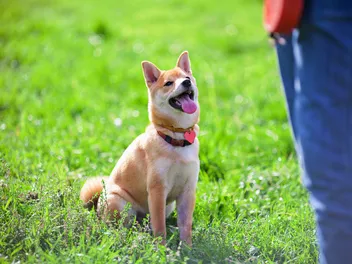
You should also get in the habit of treating and praising the dog when they let you take something. This can be true even during a game of fetch. When they let you take the ball for another throw, praise them and give them a treat.

Try the “Drop It” Command
Teaching the “drop it” command can prevent the power struggle that is often involved with this form of aggression. Instead of forcing something out of the dog’s mouth, you can have them drop it instead. Teaching this command is best done with two equally loved toys.
Play with the first toy, and then let your dog have it. Grab the second toy and offer it to your dog. Tell them to “drop it” and act excited, so they’ll leave the old toy and come get the new one. Keep switching toys and telling your dog to “drop it.” Eventually, they’ll figure out what you want them to do.

What If My Dog Is Already Possessive?
If your dog already shows signs of being possessive, it is too late for prevention. Luckily, it is possible to train your dog to act otherwise. Your priority is to prevent injury to the dog or anyone else. The easiest way to do this is by restricting your dog’s access to high-value items that they may try to protect.
This involves removing toys your dog tends to become possessive of and not giving them chews. Treats are often fine since dogs typically gobble them up before they become possessive about them. You can put chew toys in your dog’s crate or an isolated room where no one else is.
However, you shouldn’t try to remove these items from your dog until after they are properly trained. Don’t give them anything that might need to be removed, such as a bone that might splinter. Of course, your dog may attempt to steal items that they will then guard.
For instance, some dogs will pick up sticks while walking and suddenly decide that it is their favorite toy in the world. Preferably, you should keep your dog on a leash to prevent these problems. Watch your dog carefully, and immediately interrupt any attempts that your dog makes to pick up objects off the ground.
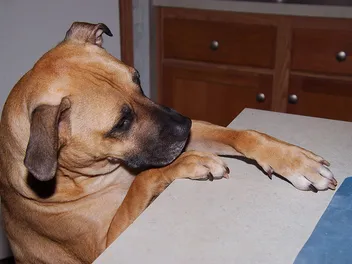
You need to keep an eye on your dog when they’re in the kitchen, where human food provides many opportunities for guarding. You should also teach your dog to stay away from specific objects, such as the trash can, where they may find items of high value (to them).

Do Not Restrict Access to Food
The one thing that you cannot keep away from your dog is their food. However, you should feed it to them in an isolated area with no one else around, which will prevent them from biting someone in an effort to protect their food. You may have to stick with many of these preventative measures for a while.
At the same time, you should teach your dog to accept people approaching and give up objects on command. A possessive dog will likely find this difficult to do, so you’ll have to take small steps and use very high-value treats. Find something your dog likes, and trade them anytime you’re teaching them the “drop it” command.
You need to find a treat that your dog cares more about than whatever they’re holding onto. Start with very low-value items, like a tennis ball that your dog doesn’t particularly care for, and work your way up from there. While it doesn’t directly fix the problem, you may also want to teach your canine the “leave it” command.
This will prevent your dog from stealing items and picking things up off the ground, which can stop them from possessing high-value items.
What Happens When Commands Don’t Work?
Sometimes, despite our best training, dogs may come to guard extremely high-value items that they just aren’t willing to give up. This can be something seemingly simple, like a leaf, or something more desirable, like a bone.

Distraction
It is best to distract your dog with a diversion. Attempting to remove the item forcibly can result in injuries and make your dog less trusting. Instead, ring your doorbell, offer your dog a walk, or mention a ride in the car. If your dog barks at the door every time the doorbell rings, now is your chance to take advantage of that.
Once the dog is off doing something else, you can remove the item. Sometimes, you can even knock on something close by, which your dog will mistake for someone knocking on the door.
Negotiation
You can also trade something high-value for the item. You may try a piece of meat or something that you know your dog really likes, like a piece of cheese. It's ideal for times when your dog is guarding something that doesn’t seem to have much value. If your dog is food-driven and guarding a non-food item, this often works well.
Once you have an item that you think your dog will trade, you should attempt to lure them away from the item. Often, you can tell them to “come” from a few feet away, with the high-value treat visible. Once the dog is away from the item, they are often easier to lure into a room.
Your goal is to put your dog somewhere that they are unable to retrieve the object from. This may be as simple as luring them into another room and shutting the door. Once your dog is somewhere else, you can remove the object. You shouldn’t do this in front of the dog, as it can cause aggression even if they are paying attention to something else. They should be behind a closed door.
Final Thoughts
Treating a dog with possessive aggression is difficult. Your success hinges on teaching the “drop it” command and having your dog perform it successfully. When your dog doesn’t listen, you’ll have to get creative. Often, ringing your doorbell is a sure way to make them forget about high-value items. High-value treats can also be used to lure them away from the object they’re guarding.
These dogs require plenty of patience and should take training slowly.
Related Read: Worst Dog Breeds for Kids
Featured Image Credit: Bonsales, Shutterstock
Expert dog care, straight to your inbox
Vet-reviewed advice, training tips, and the best of Dogster. Free, and you can unsubscribe anytime.
By signing up, you agree to our Terms & Conditions and Privacy & Cookies Policy.
Kristin loves to help pet parents create a fulfilling life for their pets by informing them on the latest scientific discoveries and helping them choose the best products for their pets. She currently resides in Tennessee with three cats, four dogs, two fish, and a lizard, though she has dreams of owning chickens one day!
Join the conversation
Ask a question, share your story, or send private feedback.