Are Poodles Aggressive? Breed Behavior & Vet-Approved Training Tips


In this article
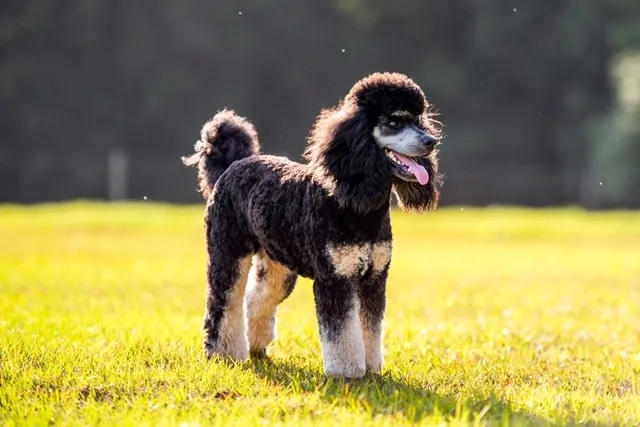
Whether Toy, Miniature, or Standard, Poodles are a popular dog breed that’s been around for centuries. Originally bred for hunting, Poodles are loyal and intelligent dogs that are known for being friendly.
But are Poodles aggressive? It depends. Poodles, like all dogs, can be aggressive if not well-trained and socialized.

Aggression in Poodles
As a breed, Poodles are generally friendly and affectionate, but they are protective. They were also bred for waterfowl hunting, so they could have a high prey drive with wildlife and small animals. Standard Poodles are not ideal for households with small pets, such as hamsters, rats, or birds.
Poodles that aren’t well-trained and socialized may be more prone to aggression. Their protective traits may be heightened, leading to aggressive behaviors and territoriality around new people, children, pets, or anything that invades their space.
In addition, Poodles are prone to separation anxiety and other types of anxiety. When this escalates, they may become more reactive or aggressive.

Territoriality in Poodles
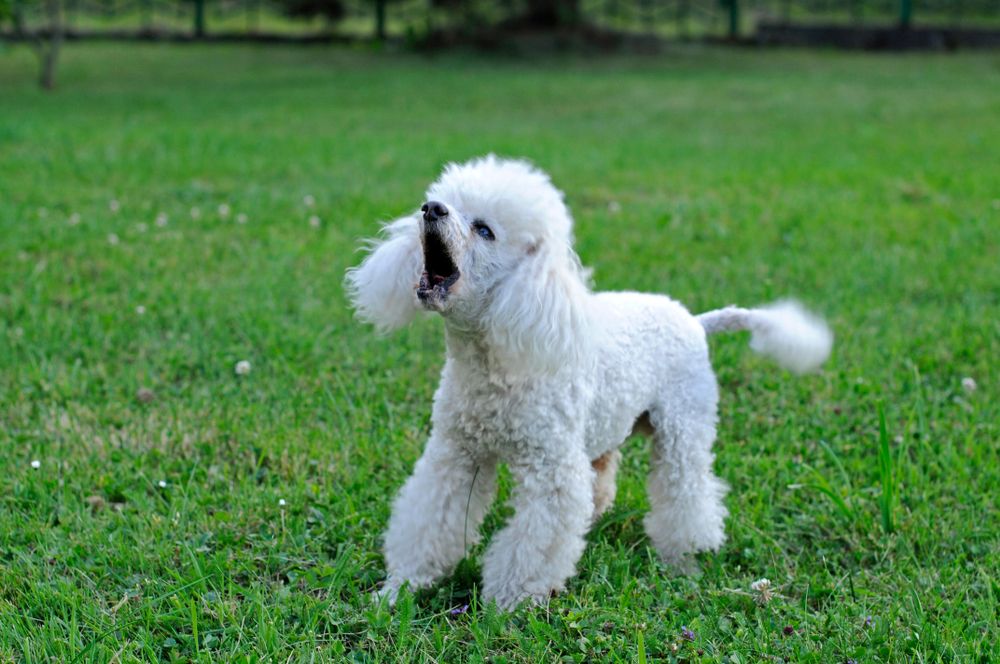
Poodles are not livestock guardian dogs or guard dogs. When they’re confronted with an intruder, they’re more likely to bark or show defensive behaviors to protect their family (that’s you!) and themselves. The goal is to intimidate an intruder away rather than get into a confrontation.
Outside of the home, Poodles are friendlier with new people and animals. They’re in neutral territory, not their home, and may not feel the need to protect their space.
That said, Poodles have individual personalities. Some may be more outgoing, while others may be more standoffish, defensive, or reactive, whether in or out of the home.
How to Train a Poodle
All types of Poodles are among the most intelligent and trainable dog breeds. They’re well suited to a variety of sports, including obedience, tracking, and agility, and they’re exceptional in water.
The downside of this intelligence is that they require consistent training using only positive reinforcement methods. Without an outlet for their intelligence and energy, they may develop bad behaviors like chewing, reactivity, or aggression.
Poodles can also become dominant. If you don’t establish boundaries, your Poodle may take advantage and display more dominant behaviors like ignoring commands, jumping, growling, barking, and nipping, which can escalate to aggression. In these cases, it is better to consult a veterinarian and ask them for help with your Poodle's training.
Aggression Triggers for Poodles
These dogs need a firm but positive hand, strict boundaries, and proper socialization. Poodles should never be physically or verbally punished, which can lead to anxiety or aggression.
Common aggression triggers may include:
If your dog is too aggressive, it may be beneficial to consult with a veterinary behaviorist to identify the underlying cause and learn how to curb the behavior. Aggression isn’t fun for you or your dog and left unchecked, it can become a dangerous situation for everyone.

Raise a Healthy, Happy Poodle
Poodles are generally friendly and pleasant dogs. Sometimes, a Poodle’s natural characteristics can escalate to aggressive episodes that pose a risk to family members, other pets, or strangers. The best way to prevent aggression in your Poodle is with proper training and socialization.
Sources
Featured Image Credit: PAN Michal, Shutterstock
Expert dog care, straight to your inbox
News, insights, expert advice, and everything dog.

No spam — unsubscribe anytime.
By signing up, you agree to our Terms & Conditions and Privacy & Cookies Policy.
How useful was this post?
Click a star to rate. You can leave written feedback afterwards. (We read all feedback.)
Nicole has loved animals of all sizes her whole life so it's no wonder she has dedicated her career to helping them through what she loves best: learning, writing, and sharing knowledge with others. She’s the proud mom of two dogs, a cat, and a human. With a degree in Education and 15+ years of writing experience, Nicole wants to help pet parents and pets around the planet to live happy, safe, and healthy lives.