Why Do Dogs Twitch When Their Skin is Touched? 5 Vet-Reviewed Reasons


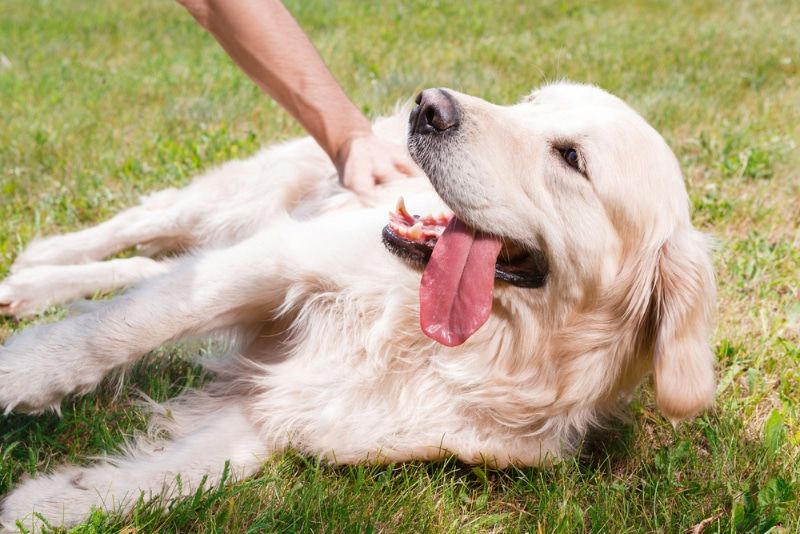
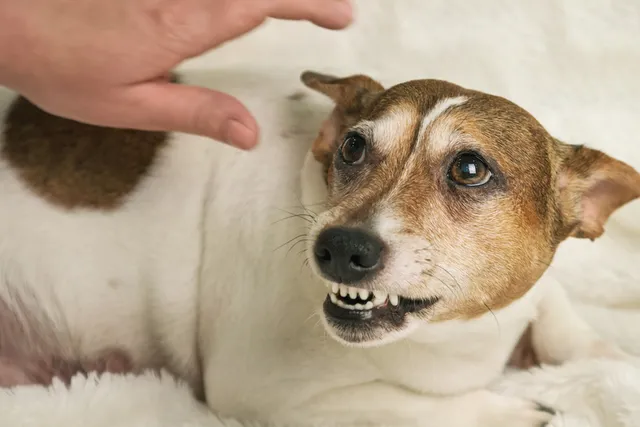
Are you a dog owner who has noticed that your dog’s skin twitches when you pet them? Sometimes, it’s noticeable enough to make you wonder if your dog is in pain when this happens. So, when your dog’s skin twitches when touched, is this issue a cause for concern? The answer is that it depends. The issue could be as simple as being surprised by the touch, or it could be a medical condition that needs addressing, such as skin irritation or nerve problems.
In this post, we’ll dive into the possible reasons why your dog’s skin may twitch when touched so you have a better understanding of the possible causes.

The 5 Reasons the Dogs Twitch When Their Skin is Touched
1. Your Dog Wasn’t Expecting It
Your dog's skin twitching when touched could be as simple as your dog not expecting the touch. If you are going for an element of surprise when petting your dog, the result may be a twitch of the area touched on your dog. This is especially true in dogs that tend to be more nervous or jumpy.
It’s best to never sneak up on your dog, as you never know the reaction this may bring. Your dog may bite due to the surprise, so it’s best to avoid this scenario. Instead, ensure your dog is aware you’re about to pet them by making eye contact or speaking to them so as not to startle them or make them frightened or nervous.

2. Skin Irritation
If your dog’s skin is irritated, the skin may twitch when touched, but there are a few possible reasons why your dog’s skin may be irritated. For example, your dog may have fleas, which bring on flea bites, and some dogs may be allergic to the fleas’ saliva, causing hypersensitivity.
Another possible reason could be irritation from using a certain shampoo. Your dog could also have skin allergies from the food you feed or environmental factors that can cause dermatitis, like mold, dust, pollen, and fungus. Some dogs may also have a food allergy which can lead to skin irritation.
It’s best to have your dog checked out by your veterinarian to determine the exact cause of the skin irritation to better treat the issue.
3. Abuse Response/Fear
If you adopted your dog, you might not know the full extent of their past. Your dog may have been living at the hands of an abuser, and if that’s the case, your dog may carry over trauma and fear from negative experiences. It’s vital to establish the root of the problem so you can desensitize your dog to any negative experiences to help them live a more comfortable life with their now responsible, kind, and caring owner.
Positive reinforcement training is an excellent way to desensitize your dog to such fears, but you may need the help of a certified animal behaviorist, depending on the severity of the problem. Stay vigilant and patient, as this process takes time.

4. Muscle Spasms
If your dog is experiencing muscle spasms, skin twitching when touched could be a sign. Muscle spasms and muscle tears in dogs can occur for a number of reasons, typically from overdoing it physically or it could be a sign of intervertebral disc disease. Your dog will often have pain, creating a twitch, if you touch the area, and you may see swelling as well. If you suspect your dog has injured themself, a trip to the vet is necessary for an examination. Your vet may require imaging or other diagnostic tests to determine the extent of the issue.
5. Neurological Issues
The nerves that innervate the skin may be sensory or motor, so if a dog is having pain or issues that affect how a nerve functions, they may twitch their skin when you touch it. You may also see twitches or abnormal movements when you’re not touching it or when your dog is at rest.

Final Thoughts
Sometimes, when a dog’s skin twitches when touched, the reason could be as simple as being surprised and not expecting it. It can also be due to fear or anxiety from previous negative experiences. On the other hand, the reason could be due to a medical issue, such as a reaction to flea bites, nerve problems, muscle spasms or strains. If your dog seems uncomfortable when touched, a trip to the vet may be in order to rule out medical problems.
If the reaction is fear-based, it’s best to use positive reinforcement to resolve the issue and help your dog live a secure and comfortable life. You can always enlist your vet’s help or hire a certified animal behaviorist if you have problems dealing with the issue.
Sources
Featured Image Credit: Dmytro Zinkevych, Shutterstock
Expert dog care, straight to your inbox
Vet-reviewed advice, training tips, and the best of Dogster. Free, and you can unsubscribe anytime.
By signing up, you agree to our Terms & Conditions and Privacy & Cookies Policy.
Rachel Giordano is a writer and musician living in Pensacola, Florida, with her partner and their two dogs, Aero, a Border Collie/Sheltie mix and Sophie, a Boston Terrier. Rachel holds a Bachelor of Arts degree in communication and loves writing about animals of all types. When she’s not writing about pets, she loves to write suspense/thriller novels. A musician by night and writer by day, she enjoys educating the public about the needs and requirements of animals, big and small.
Join the conversation
Ask a question, share your story, or send private feedback.