Why Do Dogs Bite Themselves? 6 Vet-Verified Reasons & Tips



In this article
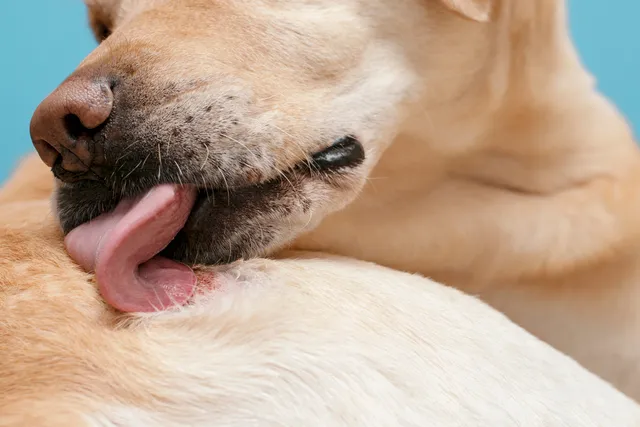
It can look alarming to us, but it’s common for dogs to occasionally bite themselves. Dogs will usually lick, bite, chew, or scratch their skin when they experience a mild itch. However, it’s still worth paying attention to dogs biting themselves because repetitive biting is usually linked with a health condition.
Dogs can develop a habit of biting themselves for several reasons. It can be due to health issues like a skin infection or behavior issues like anxiety or boredom. We’ll go over common issues that cause dogs to bite themselves and how you can help your dog if their self-biting is caused by a medical concern.

The 6 Possible Reasons for Dogs to Bite Themselves
1. Dry Skin
A common reason why dogs bite themselves is due to dry skin. Dry skin often starts to feel itchy, which will cause dogs to bite, chew, lick, and scratch the affected area. Dry skin often looks flaky and can also be red or inflamed. It can also lead to hair loss and hot spots.
Dry skin is usually a sign of an underlying health issue. So, rather than just applying an ointment to the affected area, it’s important to get your dog to a veterinarian for a proper checkup. A vet can do a physical exam, diagnose the cause of the dry skin, and provide a treatment plan to help your dog recover.

2. Allergies
Itchy skin can be a sign of allergies in dogs. Dogs can be allergic to a variety of things, such as certain food, mold, pollen, and bug bites. Itchiness is one of the most common signs of allergies, but dogs can also experience a range of other symptoms depending on what they are allergic to. Along with itchy skin, dogs may have swelling, upset stomachs, runny noses, and watery eyes.
3. Skin Infection
Bacterial, fungal, and occasionally viral infections can cause skin irritation that leads to dogs biting themselves to try and relieve the itch. Common skin infections in dogs include staphylococcal infections, malassezia (yeast) dermatitis, and ringworm (a fungal infection).
Skin infections usually look red and inflamed. In addition, affected areas can have pus-filled lesions, scaly, peeling, or flaking skin, and hair loss. Yeast infections can be more greasy and also usually have a musty odor.
Treatment for skin infections will depend on the type of infection. So, it’s important to consult your vet before applying any sort of topical ointment on them.

4. Parasites
Parasites can wreak havoc on a dog’s skin. Their bites can cause itchiness, inflammation, and hair loss. Some dogs may also be allergic to flea bites, which will only exasperate itchiness. Sarcoptic mange caused by parasitic mites under the surface of the skin leads to intense itching.
Common parasites that live on the skin include fleas, ticks, and mites. Your dog may try to alleviate the itchiness by biting and can also lick and scratch affected areas.
5. Arthritic Pain
Sometimes, dogs may lick or bite their joints if they have arthritis. The pain can feel irritating to them, and they may try to soothe the irritation by biting or chewing. Continuous biting can lead to skin issues, including inflammation, hair loss, and hot spots.
Arthritis mostly occurs in older dogs, but dogs can get arthritis at any age. Along with licking at joints, arthritis may cause decreased activity, limping, and increased irritability in dogs.

6. Anxiety or Boredom
Sometimes, biting can be a compulsive behavior for dogs. Dogs that experience extreme or constant boredom can start to engage in destructive behaviors or repetitive behaviors, including excessive biting or licking.
More severe cases of fear and anxiety can also cause dogs to start to bite themselves repeatedly. Other signs of anxiety in dogs include restlessness, pacing, excessive barking, and urinating in the house.
What to Do if Your Dog Is Biting Themselves
It’s normal for dogs to bite themselves occasionally when they have an itch. However, continuous biting usually indicates an underlying medical concern. So, it’s recommended to take your dog to your vet if you notice repetitive biting, especially if it's directed at the same area.
Your veterinarian can perform a more thorough exam on your dog to figure out what’s causing them to bite themselves. Receiving an accurate diagnosis from your vet will help you to provide the appropriate treatment for your dog.
Many skin issues can be treated topically with medicated shampoos and ointments. Medicated shampoos often contain antiseptic, soothing and moisturizing ingredients. Your vet might prescribe topical steroids or antibiotics to help reduce itchiness and heal damaged skin depending on the underlying cause of the irritation.
Preventing Your Dog From Biting Themselves
It’s important to keep your dog from biting themselves because it can worsen the condition of their skin and coat. Constant biting, licking, and scratching can lead to hair loss, hot spots, and abrasions. Make sure to stick to the treatment that your veterinarian prescribes to the very end. It can take weeks for the itchiness to stop and for the skin to heal completely, and not following through with treatment can cause the itchiness to return. Many treatments for itchy skin involve topical ointments. Your dog may try to lick off the ointment, so it’s important to keep them occupied until the ointment dries and absorbs into their skin completely. You can try to play with your dog or feed them their meal after applying the ointment to reduce the likelihood of licking and biting. If your dog continues to try to touch the affected area, they may benefit from wearing an e-collar until the itchiness and irritation subsides.
Conclusion
Repetitive self-biting can quickly complicate skin issues and worsen infections. So, it’s time to schedule a vet appointment if your dog is biting themselves continuously. It’s also important to come up with ways to prevent your dog from biting, licking, or scratching themselves so that the affected area can heal as quickly as possible. Providing the proper treatment can help alleviate and manage intense itchiness and ensure your dog’s condition doesn’t worsen from biting.
Featured Image Credit: Przemek Iciak, Shutterstock
Expert dog care, straight to your inbox
Vet-reviewed advice, training tips, and the best of Dogster. Free, and you can unsubscribe anytime.
By signing up, you agree to our Terms & Conditions and Privacy & Cookies Policy.
Jessica is a freelance writer who spends bigger part of her day researching and writing while her furry companion Cavapoo, Nora, snoozes beside her. She loves dogs, pets and animals because there’s so much to learn from them, and they do so much for us. As a dog mom, she understands the strong connection that pet parents have with their pets. So, she loves sharing helpful information that pet owners can use to better understand their beloved pets. When she isn't writing, you may find her walking dogs, tending to her plants, or drinking her nth cup of coffee.
Join the conversation
Ask a question, share your story, or send private feedback.