Do Dogs Get Jealous of Babies? Vet-Verified Facts & Prevention Tips


In this article
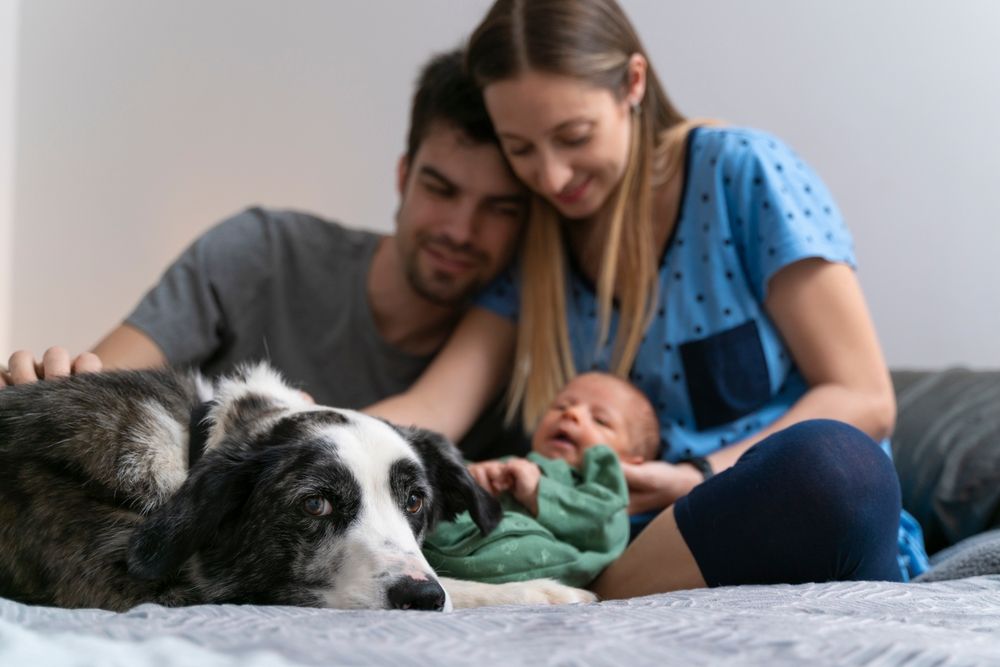
Dogs quickly develop a deep bond with their owners and rarely take kindly to any threats that might affect them. While many of us know unfamiliar pets can cause some conflict in the home, dogs often become equally jealous of new babies. Owners with newborns will discover as much when their dog displays frustrating attention-seeking and stressful behaviors when the latest family member comes home.
Raising a newborn is hard enough without a pet’s resentment, so easing the transition for your dog will make the new routine much more manageable. If you’re wondering whether dogs can get jealous of babies, we’ll explain how your dog’s feelings can change and how to prevent unwanted interactions and behaviors.

How Dogs Form Attachments
Studies have found that 2-year-old infants can feel rudimentary jealousy, so it’s not a stretch to assume dogs can also get jealous. After all, the dog-owner relationship is similar to the infant-mother dynamic.
Dogs develop close attachments to their human caregivers and a dependency on them for mental and physical needs. They use owners as safe havens where they can retreat and as secure bases from which they can comfortably experience the world.
The dog-owner dyad resulted from thousands of years of domestication, creating the modern dog’s dependence on humans for affection, attention, companionship, resources, and basic survival. With that, dogs adapted unique communicative abilities, including:
- Empathy-like behavior
- Reading human communication signals
- Monitoring others’ attention and social cues
- Being sensitive to reward inequality
A dog’s relatively sophisticated socio-cognitive capacity suggests that they also evolved the ability to feel and react to jealousy, whether toward other dogs or a new baby getting attention from owners.
Can Dogs Feel Jealousy?
Emotions fall into primary or secondary categories. Primary emotions are universally recognized, including essential feelings like anger, fear, joy, or surprise. They appear as events occur, generally without much cognitive effort.
Secondary emotions are more complex and occur as a response to primary emotions. In many instances, they require a deeper understanding and consideration of our experiences, beliefs, and, in the case of jealousy, possibly self-consciousness.
While overarching primary emotions occur among humans and numerous non-human species, there have been questions surrounding whether non-primates can feel and understand secondary emotions like jealousy.

Primordial vs. Complex Jealousy
Complex considerations of self-reflection emerge in adults who feel jealousy, such as in romantic relationships. Is my partner moving away from me? Am I doing something wrong? Is the other person better than me? Why don’t people love me? Questions like these affect how we think about our self-esteem and the meaning of our relationships.
Though we can’t expect dogs to have these reflective and forward-thinking thoughts, jealousy can be a primordial occurrence. Some suggest that because dogs often compete with siblings for food, care, and attention from their mother, jealousy may be a naturally evolved trait that helps ensure survival.
The jealousy infants experience is an apt parallel. They may not have a sense of self in the equation, but they can desire to preserve their bond when they lose their attachment figure’s attention to an interloper. A threat (or “rival”) to the material and emotional resources stemming from that relationship is present. Jealousy thus becomes a form of social-resource guarding.
Signs of Jealousy
Several studies have shown dogs display jealousy in experiments involving owners giving attention to a fake dog and various inanimate objects (e.g., a book or a plastic toy). Generally, dogs showed much greater arousal and jealousy toward the fake rival, differentiating the relationships between their owner and the various objects.
Signs of a dog’s jealousy may include:
Some have suggested dogs might also steal their owner’s attention in other ways, such as performing tricks without commands. Other signs may emerge, though many may be more due to the stress from changes in the routine and environment that come with a new baby in the household.

Signs of Stress
Dogs thrive on the routine and attention they receive from their caregivers. Predictability makes them comfortable and secure in their attachments. Sudden upheaval removes that reliability and creates frustration, confusion, and stress. Although it may not be jealousy, this anxiety can manifest in various signs, such as:
The 7 Tips to Prevent Your Dog Getting Jealous of Your Baby
The loss of attention, change in routine, and addition of new stressors like your baby’s cry can upset your dog’s emotions. Owners should work on preparing their dogs for the new arrival to ease the transition. After the baby arrives, you can overcome lingering unease, anxiety, and jealousy by affirming your dog’s value and nurturing their confidence.
1. Exchange Scents After the Baby Arrives
Take advantage of your time in the hospital after having your baby to acquaint your dog with their upcoming appearance in the home. Just as you would exchange scents before letting new pets interact, you can prepare your dog by bringing them items that smell like your baby. Bring home a receiving blanket or hospital hat to create some initial familiarity before your baby arrives.
2. Don’t Force Interactions
Your dog can feel stress and jealousy over a new baby and may be hesitant to accept them. Don’t make them uncomfortable by forcing them to interact with your baby. Your dog’s anxiety will only heighten and potentially worsen their negative feelings toward this new rival for your attention.

3. Create as Consistent a Routine as Possible
If you can keep the day as predictable as possible, you’ll retain your dog’s trust and make it easier for them to accept your new baby. Schedule consistent events like feeding, training, and play sessions during the week.
4. Reward Positive Behaviors
Ignore the negative and reward the positive. You shouldn’t punish your dog over natural jealousy. Dogs feel they are losing something valuable and doing what they need to maintain their bond, so owners should show appreciation for it. Don’t encourage bad or aggressive actions; focus on calm, positive behaviors.
When your dog relaxes around the baby, offer a treat to show they’re doing well. Be equitable in how you show attention. Dogs sense unfairness, and jealousy may be a natural result of it. Providing praise, treats, and play when they show positive behaviors around the baby will change their perspective and their habits.
5. Train Your Dog Frequently
Training sessions only need to take 5–15 minutes each, so it’s easy to work them into a routine even when you bring a baby and their unpredictable needs home. It offers excellent enrichment to promote calmer behaviors, and the extra time together will solidify your bond. Your dog will be happier during the day and less likely to get jealous of the baby.

6. Counter Condition and Desensitize Your Dog to the Baby
Although it may not be due to jealousy over the baby, dogs can act out when stressed over the environmental changes babies create. New furniture, for example, can change the house's layout and make it unfamiliar. More importantly, the sudden shrill cries and new baby smells can startle your dog and keep them on edge.
Working with your dog when they show signs of stress will desensitize them to the new stimuli. Keeping your dog separated from the baby for a period will help dampen the blow until they feel comfortable in the same room. Reward their calm behavior when your baby cries or you have to give them attention so your dog makes positive associations.
7. Include Your Baby in Enrichment Sessions
Keeping your baby around when engaging with your dog will show that the newest family member can be positive. Take your dog on walks with your baby in their stroller. Put your baby in a shaded bassinet when you play outside. Over time, your dog will realize the baby isn’t a rival for attention but another family member they can bond with.
Final Thoughts
We still don’t fully understand jealousy in dogs, but the signs of agitation are unmistakable. We must appreciate the meaning behind our bonds for the sake of everyone in the family and take preventive steps to ensure a happy household. Monitor for signs of jealousy, and follow these tips to help your dog and baby develop a strong, loving bond.
Featured Image Credit: Markus Photo and video, Shutterstock
Expert dog care, straight to your inbox
News, insights, expert advice, and everything dog.

No spam — unsubscribe anytime.
By signing up, you agree to our Terms & Conditions and Privacy & Cookies Policy.
How useful was this post?
Click a star to rate. You can leave written feedback afterwards. (We read all feedback.)
Nicole has loved animals of all sizes her whole life so it's no wonder she has dedicated her career to helping them through what she loves best: learning, writing, and sharing knowledge with others. She’s the proud mom of two dogs, a cat, and a human. With a degree in Education and 15+ years of writing experience, Nicole wants to help pet parents and pets around the planet to live happy, safe, and healthy lives.