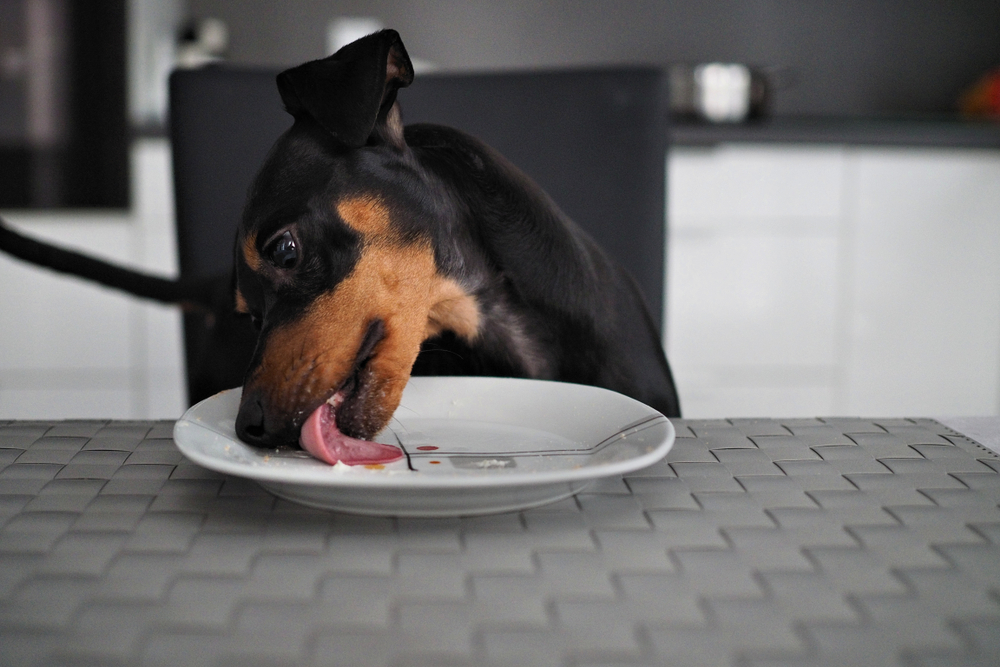
Are Small Dogs Better Behaved Than Large Dogs? Behavior & Facts Explained

In this article
We have a lot of rumors flying around the pet world—dogs are better than cats, cats are better than dogs. Small dogs are needy, big dogs are protective. All dogs hate cats. All dogs stink. Some dogs despise men, some dogs bite kids—the list goes on and on.
When it comes to the hot debate about big dogs versus small dogs and their behavior, is there any truth to the tales? Are smaller dogs better behaved? Are bigger dogs easier to potty train? Is there really any real difference at all? We are about to find out!

Behavior Based on Size: Does It Have Any Truth?
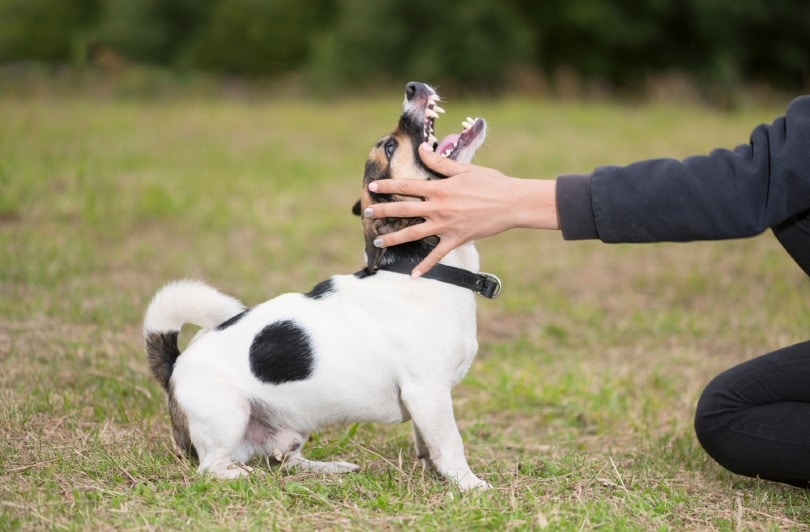
No. Plain and simple. Dogs have lots of different temperaments despite their size—and there is no one-size-fits-all stereotype. Different breeds offer various traits that make them easier or harder to train, manage, or handle.
Ultimately, it really just depends on what you consider bad or unwanted behavior. Some people don't want dogs that are too energetic while others prefer a companion that will join them in any adventure and want to avoid a couch potato.
If you want a lap dog that stays glued to you and doesn't really do much else, small dogs might be considered better behaved. However, if you're looking for a highly trainable dog that can learn a broad variety of concepts, there are plenty of big dogs that take the cake.

A Few Ways Smaller Dogs Are Harder
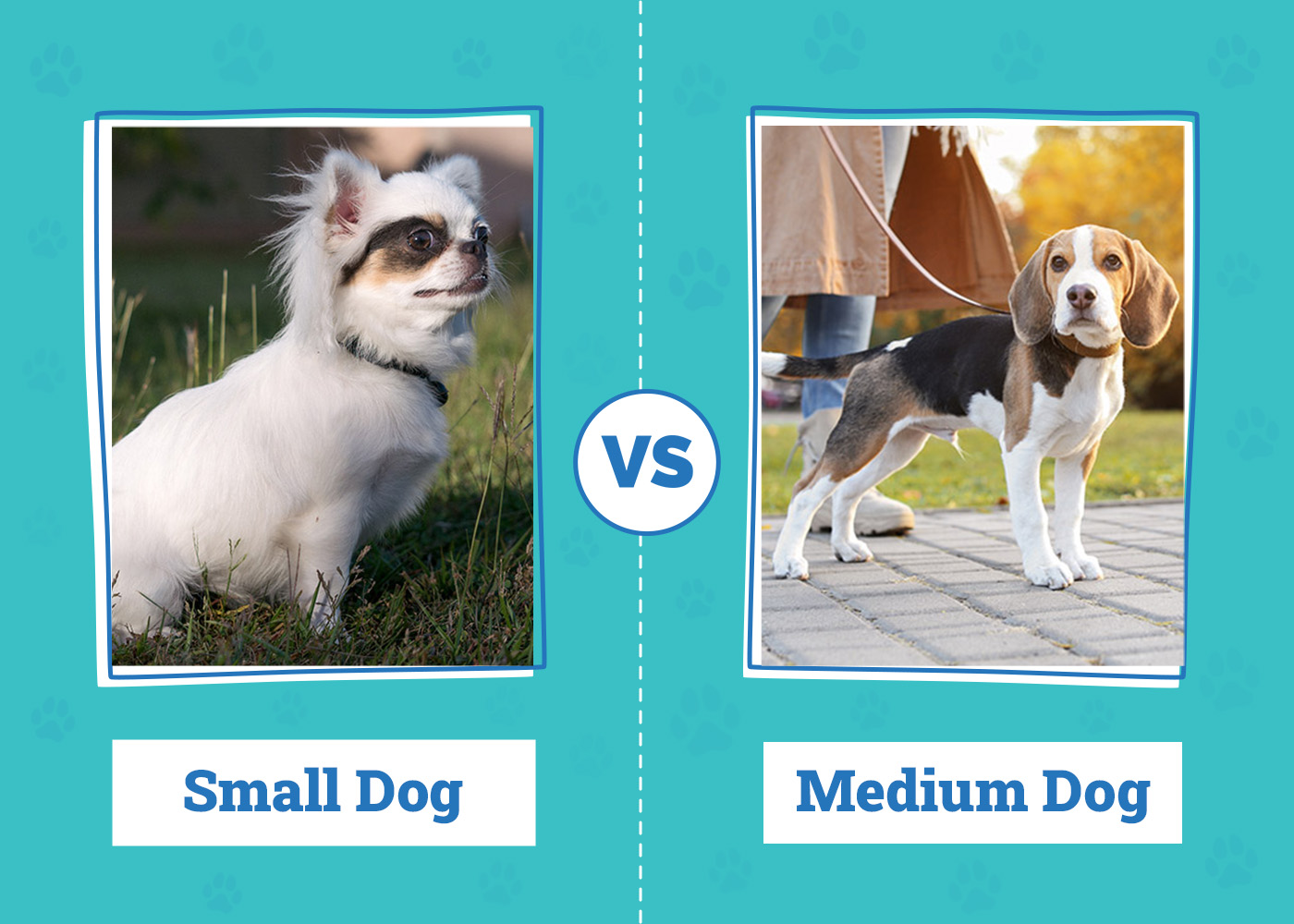
Small dogs can be pretty hard to handle, especially for certain people. Here are a few ways that small dogs might be a little bit more complicated to keep than their larger counterparts.
1. Breed Plays a Huge Role
Smaller dog breeds can be more challenging for a few reasons. First of all, many terriers or other small dog breeds have larger-than-life personalities. Their independence and persistence might make them a little bit more challenging to handle, especially for inexperienced owners.
On the flip side, many small dogs are also victims of puppy mills and other inappropriate breeding operations. This type of irresponsible breeding can result in poor early socialization and more behavioral problems during adulthood.
2. We May Encourage Misbehaving
This one is our fault completely! Small dogs are certainly entertaining and they're cute as the day is long! It's easy to encourage poor behaviors by laughing at them when chewing stuff up or trying to do something else that a bigger dog might get in trouble for just because it’s cute when small dogs do almost anything.

3. We Tend to Baby Smaller Dogs
Smaller dogs tend to be tucked under our wing more than bigger dogs, quite literally. They fit ever so gracefully in our laps, and we tend to treat them more like babies than we do a larger dog.
It's really no wonder, as these dogs are tinier and make perfect purse companions. However, when you baby a dog, it can really reinforce poor behaviors that make them challenging to handle.
4. We Don’t Discipline Smaller Dogs as Much
Just look at their little faces. It is extremely hard to discipline a dog that reminds you of a little puppy. After all, with one cock of their head, it can warm your heart and make you snuggle up with them instead of implementing proper guidance.

A Few Ways Smaller Dogs Are Easier
Now that we've gone over a few ways that smaller dogs might be more complicated to keep as companions, let's go over some ways they are easier.
1. Messes Are Easier to Clean Up
If you have a large Newfoundland living in your house, their accidents are going to be quite a lot more complicated to clean up than those of a Maltese. For example, if your full-size dog gets into something that upsets their stomach, you might be cleaning up copious amounts of diarrhea. A smaller breed would be a lot easier to manage in those circumstances.
2. Damage is Usually More Manageable
Smaller dogs are usually not as destructive as bigger dogs, and it’s not for lack of trying. Often, bigger dogs have giant jowls and can do a lot more damage than a tiny dog.

3. They Can Live in Smaller Environments
Another upside of having a smaller dog is that they can adapt to smaller properties, provided that they get plenty of exercise outside. You could live in a studio apartment, and they would be just as content. However, bigger dogs pose a lot of complications in this regard, including not matching size requirements for condos and apartments.
4. They Can Fit on Your Lap with Ease
You can cuddle with your tiny dog anytime. Having a large dog plopping on your lap can not only knock the wind out of you, but it can be very challenging to give them all the love and attention they deserve.
With a small dog, you can peacefully sit on the couch and watch Netflix without worrying about how much space your dog is taking up. While some people prefer a giant cuddle bug next to them, many people find smaller dogs attractive for this reason alone.

The Chihuahua vs. the Great Dane: An Example
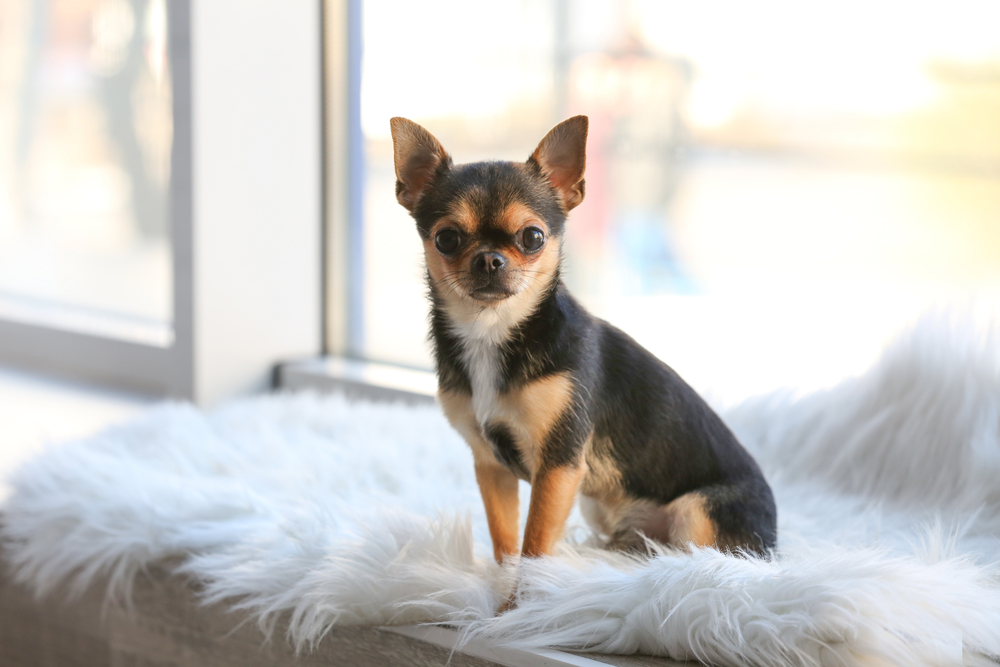
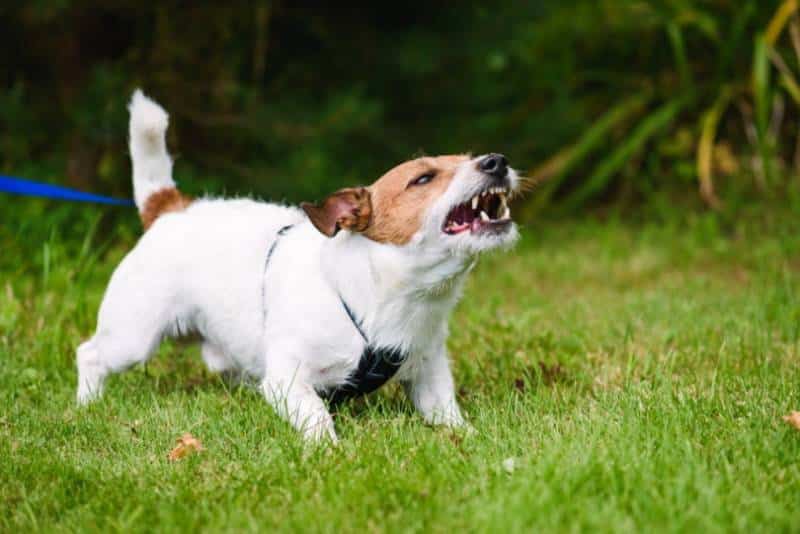
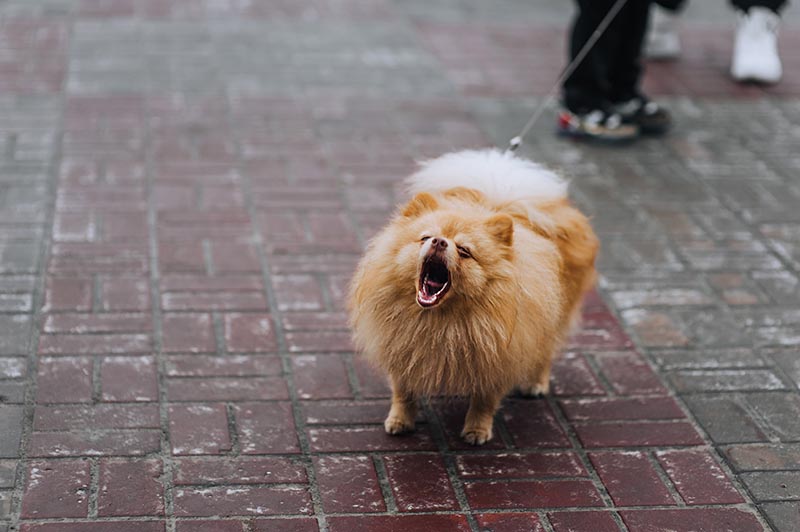
Let's take dogs on both ends of the spectrum for this example. You have a Chihuahua, the smallest dog breed. Chihuahuas are notoriously touchy and vocal dogs. They tend to come with a whirlwind of poor behaviors that can manifest in many ways.
However, due to their small size, many people find it comical or entertaining, so it is often overlooked. Chihuahuas can bite, bark at, and bully bigger dogs and other people, and no one really bats an eyelash.
However, you have an intimidating Great Dane, one of the largest dog breeds, with a deep, gruff bark, and everyone is afraid. If a Great Dane even thought about snapping at a person or another animal, they would be immediately disciplined and possibly even put to sleep. In reality, though, Great Danes tend to be gentle animals in most cases, but their size alone makes them seem more intimidating.
So, you can see how smaller dogs certainly get by with a lot more based on size alone. While it doesn't make it fair, it's the reality of the situation.

Classic Issues with Certain Dog Breeds
Now, let’s go over some aspects of training that can be complicated for many dog owners. We will discuss the primary breeds in these categories that can fit the description of being harder to train for some folks.
Dogs That Are Hard to Potty Train
Some dogs can be harder to potty train than others. Again, this doesn’t mean every dog within this breed is challenging to potty train, but they do have a reputation of being a bit difficult in comparison to others.
Some of these dogs can include:
As you can see, many of these dogs are small. It can have a lot to do with their smaller bladder capacity and faster metabolism, but factors such as training consistency, routine, and early learning experiences also play a significant role.

Dogs That Have Behavioral Challenges Related to Impulse Control and Social Interactions
Some dogs have difficulty with impulse control, frustration tolerance, or appropriate social behavior. These behaviors are often related to genetics, early experiences, and training. These dogs can learn, however.
Dogs with dominance issues can include:
As you can see, there's a pretty good mix of both small and large dogs on this list. This isn't an exhaustive list, but it certainly covers some commonly reported examples.
Dogs That Mature Slowly
Some dogs take quite a while to come into their own. It doesn’t mean they are less smart. Restless dogs often have high energy levels and working drives that require appropriate outlets for mental and physical stimulation.
Dog breeds that mature slower:
As you can tell from this list, larger dogs are usually the ones who mature more slowly. Oftentimes, it is because their growth and development are longer than that of a small dog, which can lead to prolonged periods of juvenile behavior. Coincidentally, their lifespans are also shorter, which is almost ironic.

Dogs That Are Famously Hyper
Some might consider dogs that are high-energy or active as being hard to train and not as well-behaved. Both small and large dogs fit the bill on this one—and the same goes for the reverse scenario. Some dogs, like Bulldogs and Greyhounds, are considered lower-energy and may enjoy more rest.
But then there are more hyper breeds, such as:
As you can see, there's a pretty good combination on this list as well. There are dog breeds of all sizes that can be pretty high-energy and require appropriate training, exercise, and mental stimulation to remain manageable.
There Is No Real Way to Tell
The truth is, because each dog is such an individual, you can’t really foretell behavioral issues from puppyhood alone, although early temperament assessments and environment provide useful indicators. Now, if you adopt a fully grown dog from a shelter, you might have more to gauge with judgment since they are more behaviorally developed, although behavior can still change with environment and training.
However, you have to be willing to face the challenges that come with any-sized dog. If you are looking for a particular temperament, it's really important to learn about each individual breed. Find a breed that interests you and learn all you can about it.
You might not be able to predict exactly what a personality is going to be like, but you can get a pretty good idea of what to expect.
Conclusion
So, now you understand a little bit more about dog behavior. It doesn’t matter if the dog is big or small; each dog will have its own personality, and that comes with its fair share of individual differences and potential challenges influenced by genetics, environment, and training.
Some dogs can be a little more complicated to train than others. Just remember to choose the dog based on lifestyle compatibility, energy level, and care requirements, and not size or looks.
Sources
Featured Image Credit: GerryP, Shutterstock
Expert dog care, straight to your inbox
Vet-reviewed advice, training tips, and the best of Dogster. Free, and you can unsubscribe anytime.
By signing up, you agree to our Terms & Conditions and Privacy & Cookies Policy.
Ashley Bates is a freelance dog writer and pet enthusiast who is currently studying the art of animal therapy. A mother to four human children— and 23 furry and feathery kids, too – Ashley volunteers at local shelters, advocates for animal well-being, and rescues every creature in need. Her mission is to create awareness, education, and entertainment about pets to prevent homelessness. Her specialties are dogs and cats.
Join the conversation
Ask a question, share your story, or send private feedback.