My Old Dog Can’t Jump On & Off the Bed: 6 Vet-Approved Ways to Help


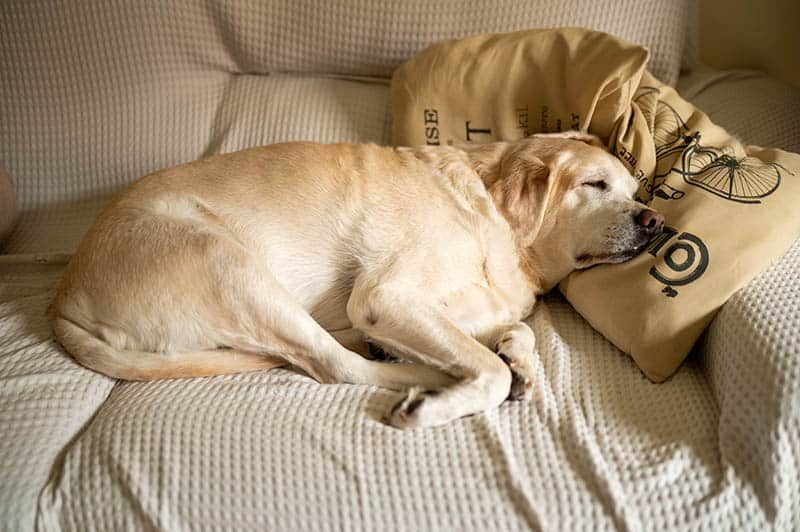
Mobility issues are a common health concern that many dogs encounter as they age. At some point, dogs can start to experience difficulty getting on and off the bed. This can be caused by several different age-related medical conditions, including arthritis, cruciate ligament disease, and spinal issues. If your older dog is starting to show hesitation with jumping on and off the bed, it’s important not to encourage them to try, as this can cause further discomfort, pain, or injury.
If you notice any changes in your dog’s mobility, it’s best to consult your veterinarian to diagnose the issue. Once your veterinarian determines the cause, you can figure out what changes you can make to help your dog out.

The 6 Ways to Help an Old Dog Who Can’t Jump On the Bed
Reduced range of motion and mobility issues usually indicate that it’s time to make some lifestyle changes for your dog. Here are some things you can do for your dog to help them get in and out of bed and also support their quality of life as they age.
1. Make Appropriate Lifestyle Changes
Some dogs with mobility issues will benefit from some lifestyle changes. For example, weight loss can have a significant positive impact on dogs with arthritis. So, if your dog is overweight or obese, working towards lowering their body weight can help reduce the burden on their joints and reduce arthritic pain.
Dogs start to become less active when they have mobility issues. Therefore, it’s important to adjust their diet to ensure they’re not overeating and experiencing weight gain. It’s also important to change their exercise routine. You may have to keep them leashed on walks, take them for shorter walks, and find more low-impact exercises that don’t put as much stress on their joints. You don’t want to overdo it for your dog, as too much physical activity can aggravate their mobility problems. That said, we do want your dog to have a good quality of life, and walking is usually part of that. Give your dog exercise that they can cope with; if they're sore after their daily exercise, it is probably too much.

2. Get a Bed Ramp or Stairs
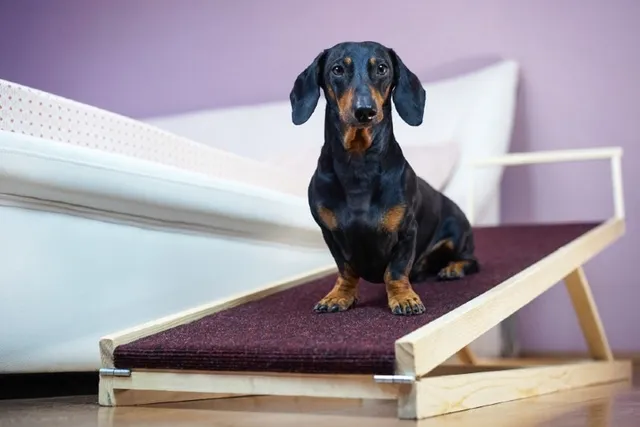
If your dog loves sleeping on your bed, you can get them a bed ramp that helps make it easier for them to get on and off your bed. Bed ramps come in several different designs. Some look like a small staircase, while others have a flat incline. Make sure that the size of the steps is appropriate for your dog. You might have some issues finding steps for smaller dogs because the steps may be too tall for them.
In most cases, dogs will learn to use a bed ramp fairly easily. They may need some coaxing with some of their favorite treats, but they’ll usually figure out how much easier and less painful it is for them to use the steps rather than jumping on and off the bed.
3. Get Joint Supplements
Dogs can benefit from having supplements added to their diet. While they aren’t designed to cure arthritis, they can help slow the progression of certain mobility issues. They contain ingredients, such as omega-3 fatty acids, chondroitin, and glucosamine, that can help reduce inflammation and slow down the progression of arthritis.

4. Consider Medication
If you notice that your dog is experiencing a considerable amount of pain or reduction in mobility, it’s time to have a conversation with your veterinarian about treatment options. Sometimes, medication can help improve your dog’s quality of life. Your veterinarian may deem it appropriate to prescribe arthritis injections, anti-inflammatory drugs, and other types of pain medication to help your dog feel more comfortable when moving around. Treatments are available to suit a range of budgets.
5. Research Holistic Therapies
Holistic therapies and treatments can help manage some of your dog’s symptoms. For example, acupuncture is a common alternative therapy that’s used to treat canine arthritis and joint inflammation. Your dog may also find relief in taking gentle swimming classes. Swimming is often an excellent low-impact exercise option for dogs with arthritis or joint pain.
Just remember to research thoroughly before choosing an alternative therapy for your dog. Businesses that claim to cure all ailments are often scams and can put your dog in an even worse situation. It’s also helpful to check with your veterinarian beforehand to see if the treatment that you’re considering is known to be helpful and effective.

6. Get Your Dog a New Bed
Arthritis, joint pain, and other mobility issues can be extremely uncomfortable for dogs, even when they’re lying down. No matter how comfortable your bed is, your dog may need to start sleeping on an orthopedic dog bed. These types of beds are usually made with memory foam and are designed to reduce pressure on your dog’s joints. They can also provide better neck and back support and improve your dog’s sleep quality.
Conclusion
Dogs that have trouble jumping on and off beds are often starting to experience mobility issues and joint pain. While getting them a bed ramp can help, it’s important to also schedule them for a physical exam and see what’s causing the mobility issues.
So, make sure to consult your veterinarian if you notice any changes in movement from your aging dog. You’ll be able to come up with a clearer plan to help your dog once you receive a diagnosis and know what treatment options are available for them.
See also:
Featured Image Credit: invisible-invisible, Shutterstock
Expert dog care, straight to your inbox
News, insights, expert advice, and everything dog.

No spam — unsubscribe anytime.
By signing up, you agree to our Terms & Conditions and Privacy & Cookies Policy.
How useful was this post?
Click a star to rate. You can leave written feedback afterwards. (We read all feedback.)
Jessica is a freelance writer who spends bigger part of her day researching and writing while her furry companion Cavapoo, Nora, snoozes beside her. She loves dogs, pets and animals because there’s so much to learn from them, and they do so much for us. As a dog mom, she understands the strong connection that pet parents have with their pets. So, she loves sharing helpful information that pet owners can use to better understand their beloved pets. When she isn't writing, you may find her walking dogs, tending to her plants, or drinking her nth cup of coffee.