My Senior Dog Is Slipping on the Floor: 10 Vet-Approved Tips to Help


Caring for dogs changes as dogs age and enter into older adulthood. You’ll notice your dog slowing down, and many dogs start to require extra assistance with daily living. A common issue that many dog owners face is their dogs having difficulty maintaining their grip and slipping around the house.
Some of the most common reasons for slipping are weaker muscles, joint pain, long toenails and dry or worn-down paw pads. Slipping can put older dogs at risk of dangerous falls and injuries, so it’s important to help your dog right away if you notice them having difficulty keeping on their feet. The best thing to do is consult a veterinarian to see how you can help your dog adjust to this issue. Here are some ways you can help prevent your older dog from slipping and getting injured.

The 10 Tips to Help Your Senior Dog That's Slipping on the Floor
1. Trim Nails and Paw Hair

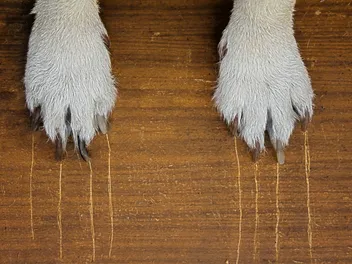
Overgrown nails are a safety hazard for dogs. They reduce the amount of surface area of the paws touching the ground, which prevents dogs from maintaining a good grip. In more extreme cases, overgrown nails can affect a dog’s gait and weight bearing, and even make it uncomfortable for them to walk. Therefore, it’s important to trim or grind your dog’s nails to make walking easy and more comfortable for them.
If you have a long-haired dog, it’s important to check the length of the hairs between their paw pads and trim them regularly. Overgrown hair can cover your dog’s paw pads and prevent them from maintaining a good grip on the ground. It can also become matted and cause discomfort when your dog tries to walk.
2. Use Paw Wax or Balm
A dog’s paws can wear down and get dry as they age. Dry paw pads can be a bit slipperier, so it may be a good idea to invest in high-quality paw balm to moisturize and heal cracks on your dog’s paw pads.
Some paw wax is made for outdoor use and to protect the paws from the elements. They’ll have some moisturizing ingredients in them, but they may not perform as well with repairing and nourishing the paw pads. So, when shopping for paw balm, look for varieties that specifically have moisturizing formulas.
3. Put on Booties Outside

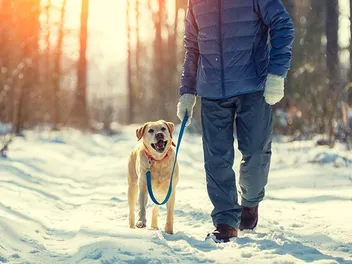
It’s important to protect your dog’s paws when you go outside for walks, especially if you live in areas with extreme weather. Hot and cold surfaces can be painful for dogs to walk on, and winter snow, ice, and chemicals can damage their paw pads.
Booties can help prevent wear and tear on the paw pads, and they have grips on the bottom so that dogs can walk without slipping. Just make sure to buy the right size, as the wrong size can make walking more painful or difficult.
4. Line Stairs With Carpet Treads
Older dogs with weaker muscles or joint pain can easily slip and fall when using stairs. So, if you have stairs with hardwood flooring, your dog will be safer if you line the surfaces with carpet treads or anti-slip traction tape.
Carpet treads can help older dogs to climb the stairs independently. Fortunately, you can find carpet treads of all kinds of colors and designs that will fit in seamlessly with your home’s interior design.
5. Add Rugs or Yoga Mats

Adding more non-slip rugs or yoga mats to spaces your dog frequents can help them walk around more easily. As a creature of habit, your dog probably uses the same routes to get from place to place around your home. Lining these routes with yoga mats can help dogs continue to move around confidently on their own.
As your dog gets used to the yoga mats, they’ll also experience less slipping, falling, and bumping into things. They’ll learn to utilize and rely on the paths created by the yoga mats.
6. Use Paw Grip Products
As slipping is a common issue in older dogs, you can find a variety of paw grip products to help them maintain their grip. You can find paw pads, which are adhesives with a non-slip surface that you can apply directly to your dog’s paws.
Another product that may work for your dog is paw coating. These types of products work by applying a non-toxic, adhesive substance directly to your dog’s paws. They usually come in the form of a thick liquid or a spray.
7. Clear Away Obstacles

It’s helpful to reassess your home’s layout and design to determine if it’s safe and accessible for your dog. You may need to move around some furniture or decorations to help your dog move around more easily.
Try to create straightforward routes to areas your dog frequents. This includes their food and water bowls, sleeping areas, and the door they exit for potty breaks. You can also line these routes with yoga mats or rugs to make walking from place to place easier and safer for your dog.
8. Apply Nail Cap Grippers
Another way to help your senior dog maintain a solid grip is to apply nail cap grippers to their nails. Nail cap grippers are made with rubber or other non-slip material and can help increase a dog’s grip on the floor. It may take some dogs time to get used to the sensation of nail cap grippers on their nails. However, a high-quality set of nail cap grippers shouldn’t cause discomfort or pain.
9. Start Physical Therapy Exercises

In some cases, your dog may benefit from physical therapy. Physical therapy can help strengthen muscles and make some improvements in a joint’s range of motion. So, make sure to have a conversation with a veterinarian to see if physical therapy can help your dog and reduce slipping on the floor.
Physical therapy for dogs can get expensive. However, some pet insurance plans will cover physical therapy. Just keep in mind that coverage doesn’t apply to pre-existing conditions. This means that your dog must be on a pet insurance plan before they’ve been diagnosed with a health issue or disease that requires physical therapy for treatment.
10. Feed Supplements
Consult a veterinarian to determine if your dog will benefit from taking supplements. These days, you can find a variety of supplements for senior dogs aimed to address common health issues associated with aging. However, not all dogs will benefit significantly from taking supplements.
If your dog is taking medication or is on a special diet, adding supplements can interfere with or even cause harm to their body. So, make sure to get clearance from a veterinarian and ask for specific recommendations to ensure your dog can take supplements safely.
Conclusion
Slipping in senior dogs is a serious issue that must be addressed right away to avoid dangerous falls and significant injuries. You can use paw pad products or install rugs and carpet treads in your home to help your dog maintain their grip on the floor. Sometimes, physical therapy can help strengthen and support your dog’s joints and muscles. By making these adjustments, you can help your dog maintain their independence and keep them feeling happy and confident as they navigate specific challenges that come with being an older dog.
Featured Image Credit: Prostock, studio, Shutterstock
Expert dog care, straight to your inbox
News, insights, expert advice, and everything dog.

No spam — unsubscribe anytime.
By signing up, you agree to our Terms & Conditions and Privacy & Cookies Policy.
How useful was this post?
Click a star to rate. You can leave written feedback afterwards. (We read all feedback.)
Jessica is a freelance writer who spends bigger part of her day researching and writing while her furry companion Cavapoo, Nora, snoozes beside her. She loves dogs, pets and animals because there’s so much to learn from them, and they do so much for us. As a dog mom, she understands the strong connection that pet parents have with their pets. So, she loves sharing helpful information that pet owners can use to better understand their beloved pets. When she isn't writing, you may find her walking dogs, tending to her plants, or drinking her nth cup of coffee.