When Is a Dog Considered a Senior? Vet Verified Considerations as Your Dog Ages


In this article
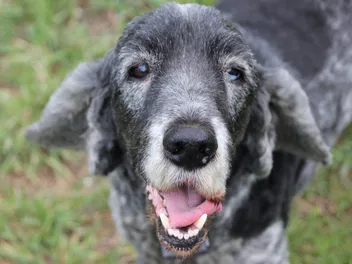
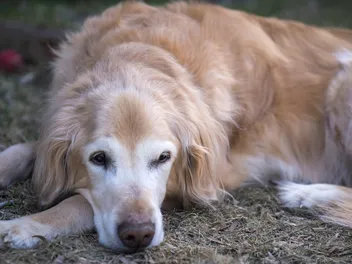
While all dogs differ in genetics and general health, time is one factor that will inevitably impact all pets and their owners. There’s no escaping the effects of old age and the physical, mental, and behavioral slowdowns that demand extra attention from caregivers. Dogs generally become seniors at 7–8 years, entering a phase that can be as fulfilling as any life stage, though preparation on the owner’s side will make all the difference.
Essential to this is understanding when that senior transition occurs. If your furry best friend is getting up there in years, check out these critical insights into when a dog is considered a senior and what you should think about to make them comfortable and content as they age.

When Is a Dog Considered a Senior?
Generally, dogs reach their senior phase after 7–8 years, yet owners should understand that dogs grow at different rates. The point where they reach their senior status isn’t predetermined. Even dogs from the same litter can vary drastically in how fast they age. At best, we can generalize the age of senior dogs by looking at their breed and health history.
Size
Smaller dogs typically age slower and live longer than larger dogs. The following are the ages when different breeds typically reach their senior years:
- Small and toy dogs (<20 pounds): 10–12 years
- Medium dogs (<50 pounds): 7–10 years
- Large dogs (>50 pounds): 6–8 years
Small and medium breeds are considered geriatric once they exceed 11 years, while larger dogs become geriatric at around nine. While physiological aging can vary according to a dog’s lifespan, cognitive decline may not.
Dogs develop cognitively at similar rates regardless of size or breed. In other words, large dogs could have a shorter senior period. Although they may die sooner, they don’t necessarily lose their mental acuity earlier in life than small dogs, a vital consideration for owners seeking to optimize their pets’ quality of life.

Injury, Disease, or Trauma
Early aging often occurs due to experiential factors. Severe injuries can hobble a dog for life, leading to early-onset joint issues and arthritis. Inherited diseases, an unsuitable lifestyle and obesity can contribute to chronic illnesses like diabetes, osteoarthritis and cancer.
Alongside any mental or emotional trauma that causes prolonged stress responses, these issues can quickly hasten aging signs.
Signs of Aging in Dogs
Aging is a long, meandering process that makes itself known in several ways. Physical signs will appear, and your dog’s habits and energy level will shift due to changing capabilities and mental decline.
Some changes will be overt, and others will be more subtle. The following are some of the common signs of an aging dog.
Cognition and Physical Health
The cognitive and physical changes that come with aging may also play into one another. Pain and signs of musculoskeletal, neurological, and metabolic disorders correlate with increased cognitive dysfunction.
Considering the connection between the body and mind is crucial for owners and vets. Though the cause of the relationship isn’t well-defined, cognitive testing may be useful as dogs show signs of disease and injury that come with age. Conversely, signs of mental decline may warrant exams looking for underlying physical causes, particularly pain, sensory issues, and digestive or metabolic disorders.


Critical Considerations for a Senior Dog
There are countless ways to improve your dog’s quality of life as they enter their senior years, depending on the bodily wear they experience. Finding the best routine and identifying all your dog’s pain points can be tricky, but for simplicity, most of the effort boils down to one factor: your relationship with your vet.
As an expert who is intimately aware of your dog’s unique development path, your vet will be an essential resource as your dog ages. While they transition into their golden years, make vet appointments at least a twice-a-year ritual. Discuss your dog’s nutrition, exercise routine, and environment to accommodate your dog and maintain their energy and well-being.
Nutrition
Dogs that are slowing down may benefit from a senior formula designed for their changing lifestyle and bodily needs. Your vet can recommend a food with the proper protein levels and lower calories to maintain their physique as their activity level and metabolism wane.
Increased omega-3 fatty acids, glucosamine, and other additives may benefit your dog’s cognitive health, muscles, skin, and joints to improve their longevity. Based on your dog’s health history, your vet may suggest specific prescription diets targeted for any health conditions they suffer from.
Exercise 🐕
Maintaining your dog’s exercise and mental enrichment routine is arguably more crucial in a dog’s senior years than in any other life stage. Puzzle toys, soft chews, and brain games will keep your dog motivated and happy. Training sessions should still have a place in the routine. With regular mental activity, your dog will continue flexing their cognitive capabilities and potentially avoid some of the stress that comes with age.
Exercise will be particularly critical in preventing obesity and associated health issues. Your dog may not be up for strenuous hikes and intense games of fetch like before, but you can still get in the necessary work with a few wise changes. For instance, you can take them on more frequent shorter, slower walks with lots of time to sniff which is great for mental stimulation as well.

Environment
Adjusting your dog’s surroundings will help them adapt to changes in their cognitive and physical health. The following are a few considerations that could significantly improve your dog’s daily life:
- Providing a safe, comfortable space in an out-of-the-way area for them to retreat to if they feel overwhelmed, afraid, or stressed
- Using thick, soft mattresses to ease aching joints while sleeping
- Reducing clutter that may confuse or disorient them
- Keeping furniture in the same place
- Closing off dangerous areas
- Using mats, different floor textures, and scents around the home to help them adjust to poor vision
- Using ramps for getting into the car or navigating the house
Final Thoughts
Metabolism, hormones, and countless other factors will change as dogs age, and owners must prepare accordingly. Before your dog shows signs of age, look into pet insurance. Getting coverage while your dog is healthy will keep premiums affordable while ensuring you can address age-related complications immediately.
You can compare the insurance plans and discuss your dog’s needs with your vet so you can manage the transition to the senior phase as smoothly as possible.
Featured Image Credit: Suchavadee, Shutterstock
Expert dog care, straight to your inbox
News, insights, expert advice, and everything dog.

No spam — unsubscribe anytime.
By signing up, you agree to our Terms & Conditions and Privacy & Cookies Policy.
How useful was this post?
Click a star to rate. You can leave written feedback afterwards. (We read all feedback.)
Nicole has loved animals of all sizes her whole life so it's no wonder she has dedicated her career to helping them through what she loves best: learning, writing, and sharing knowledge with others. She’s the proud mom of two dogs, a cat, and a human. With a degree in Education and 15+ years of writing experience, Nicole wants to help pet parents and pets around the planet to live happy, safe, and healthy lives.