How to Help an Aggressive or Reactive Dog: 8 Useful Tips (Vet Reviewed)


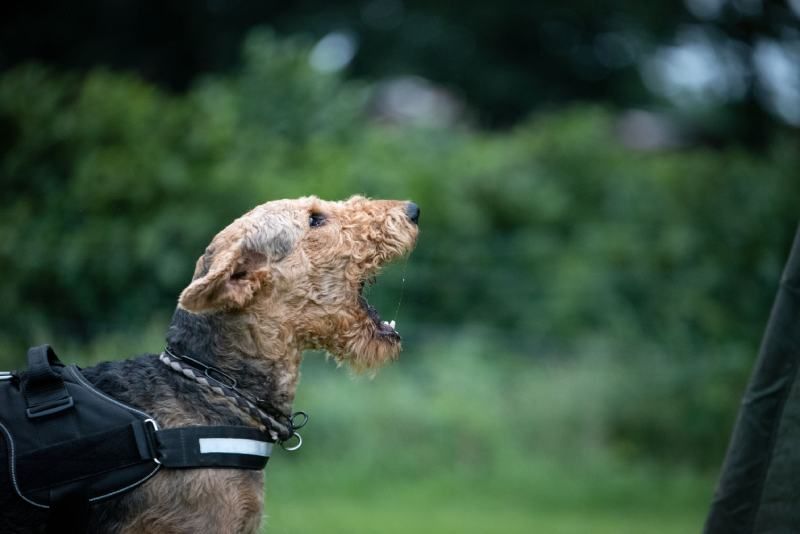
Unwanted behaviors are a common reason for relinquishment of a pet. It doesn’t get much worse than an aggressive or reactive dog, though. They are a wild card that many choose not to manage, especially if you have small children in your household. However, behavior is a complex topic, and with dogs, genetics and early upbringing play pivotal roles in how a dog acts. Environmental factors also shape a dog’s temperament.
Trauma and improper socialization can set the stage for this scenario, particularly during the critical periods in a puppy’s development. Interestingly, an active lifestyle is often necessary to prevent fearfulness, which can instigate these negative behaviors. Dogs must be exposed to novel experiences to prevent undesirable qualities from developing later in life. But how do you fix a dog that is already reactive? Let’s find out.

What to Understand Before You Start
Behavioral modification is a commitment. It requires patience, compassion, and understanding to work through the process. Building trust is the foundation of a healthy owner-pet relationship, which also takes time. Sometimes, the path to resolution isn’t straight. Our advice upfront is not to give up, and to always have professional help when working through difficult times or challenging cases. Also, ultimately, it is important to know that some animals are simply unable to change, in which case it is important to seek specific professional advice on the next steps.
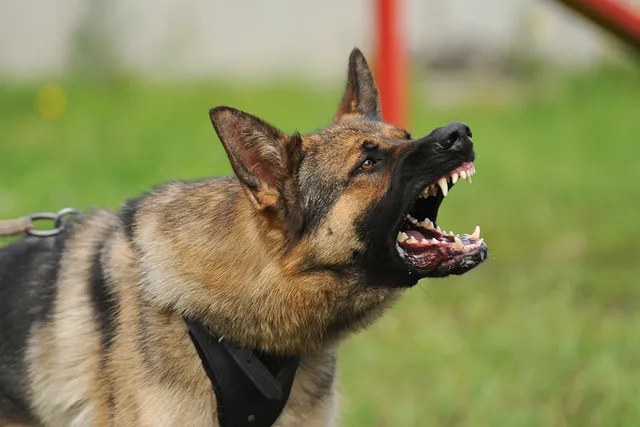
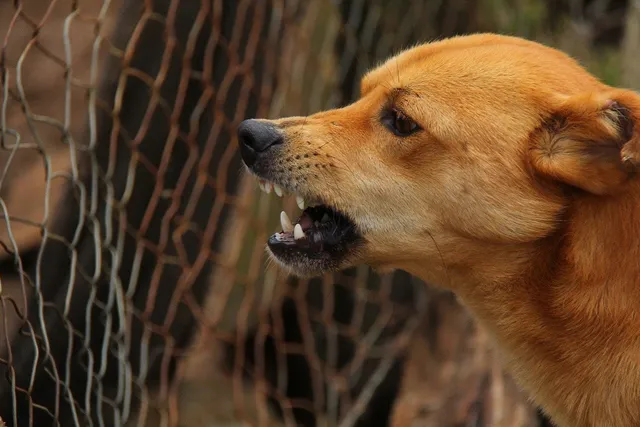
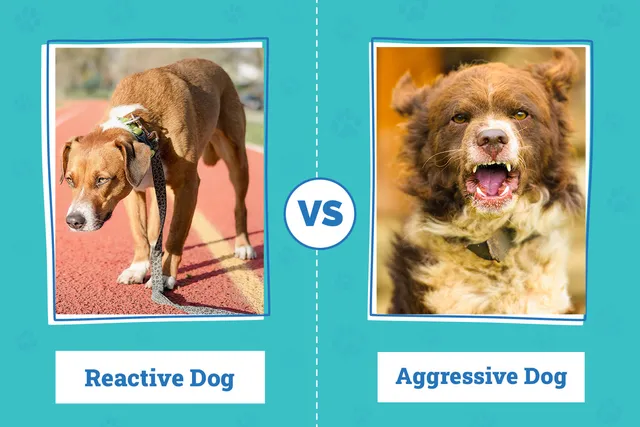
Aggression is one way canines and many animals avoid conflict. Physical confrontations are often physically costly, so it makes evolutionary sense to prevent them by acting like the tough guy. Dogs may bark and snarl to encourage a would-be threat to go elsewhere and not invade their space. Fear is often at the root of this behavior.
Reactivity refers to an exaggerated and often unnecessary response to an environmental stimulus. Think of a dog going bonkers when someone comes to the door. The preferable action is to alert you but not to overreact. A lack of socialization or fear is often behind the behavior. It may involve other emotions. Remember that canines can feel distress and anger, and it can escalate to aggression.
The 8 Tips to Help Aggressive or Reactive Dogs
1. Rule Out Medical Issues
Sometimes, a pet is reactive or aggressive simply because they don’t feel well or are in pain. Think of how you feel when you’re sick. The animal knows they’re vulnerable and acts to protect themself. It can affect even the most docile pooch. If this behavior is unusual or sudden, it’s a red flag that something else may be influencing your pup’s actions. Get them in to see the vet as soon as possible.

2. Know the Signs
Knowing the warning signs of a dog on edge can help you avoid a dicey situation.
Warning signs of aggression in dogs include:
When you understand that your dog might soon be triggered, it is more likely that you can avoid said trigger and remove them from the situation before it gets out of control.
3. Determine Your Pet's Triggers
As already mentioned, understanding what triggers your dog is the key to avoiding potentially dangerous situations. Pay very close attention to your dog’s body language. As soon as you notice something off, pay attention to the environment. Is anyone around? Are there any animals around? What about any noises? Does this have to do with their food and water or a toy? Take note of as much as possible, as this is helpful information to pass along to your vet and can help get the problem figured out quicker.

4. Avoid the Triggers
An easy fix is to avoid the triggers. If you know your dog doesn’t get along with the neighbor’s pet, simply walk your pup when they aren’t outside. Problem solved. However, it’s a temporary fix that does fix the issue while it does keep everyone safe. After all, learning if it’s any dog or just this particular one is essential to prevent confrontations.
5. Embrace Counterconditioning
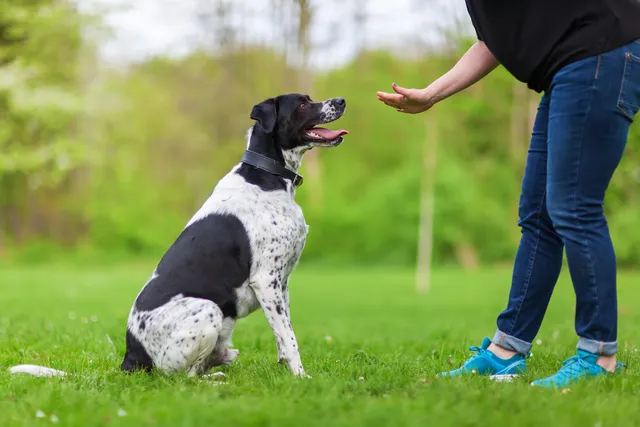
Canine behavior is often malleable if you apply the correct approach. The goal of counterconditioning is to change the negative response to a stimulus by creating a positive association with its presence. The secret is to use treats, which you should always have on hand when walking your dog. For example, when your dog notices another pet, give your pooch a favorite treat to make it a positive experience.
Treats are a potent motivator that works. This technique takes time and patience since you must reinforce it until the message sticks. You should praise your dog for staying calm, which can be just as rewarding for your pet as the food.

6. Create a Distraction With Clicker Training
Clicker training adds a sound with a positive association between the desired behavior and the reward. It’s training-specific and gives your pet another way to associate the two events with a more direct cause and effect. It also provides a distraction from the trigger. It makes it easier for your pet to learn that staying by your side and not barking is what they must do to get their treat.
7. Discuss Neutering With a Vet
If your dog is intact, you may find it helpful to discuss neutering with a vet. Research has shown these animals are more likely to bite, no matter what sex. It’s instinctive for a dog to protect their space and resources. However, sterilization has pros and cons, which you know since they also involve other health risks. Nevertheless, it may curb unwanted behavior causing your pet’s aggression.
8. Consult the Situation With an Animal Behaviorist
You shouldn’t rule out consulting an animal behaviorist. They can offer an objective point of view and advice on stemming aggression and reactivity. Your vet can refer you to individuals who specialize in these types of behavior issues. These traits are a red flag that you shouldn’t ignore. If you’re considering relinquishing your dog, at least talk about the problem with a professional before taking action.
Final Thoughts
An aggressive or reactive dog is an issue you shouldn’t ignore. Be proactive. Don’t wait for something unfortunate to happen before you act. Many problems are fixable. However, the sooner you address the behavior, the better your chances are for a resolution. The experience will likely forge a stronger bond with your pet. Your efforts are priceless if they keep your pet in their loving home.
See Also:
Sources
Featured Image Credit: Three Dogs Photography, Shutterstock
Expert dog care, straight to your inbox
News, insights, expert advice, and everything dog.

No spam — unsubscribe anytime.
By signing up, you agree to our Terms & Conditions and Privacy & Cookies Policy.
How useful was this post?
Click a star to rate. You can leave written feedback afterwards. (We read all feedback.)
Since 2009, Chris has written on a variety of topics. Her motto with all of her writing is “science-based writing nurtured by education and critical thinking.” She specializes in scientific topics, with a special love for health and environmental topics, and of course, pets of all shapes and sizes.
Chris lives happily with her husband and three cats in the land of 10,000 lakes, writing, wining, and boating as much as she can. She and her husband, Norm, were awarded the State of Kentucky Colonel Honor for their restoration work at Mammoth Cave National Park.