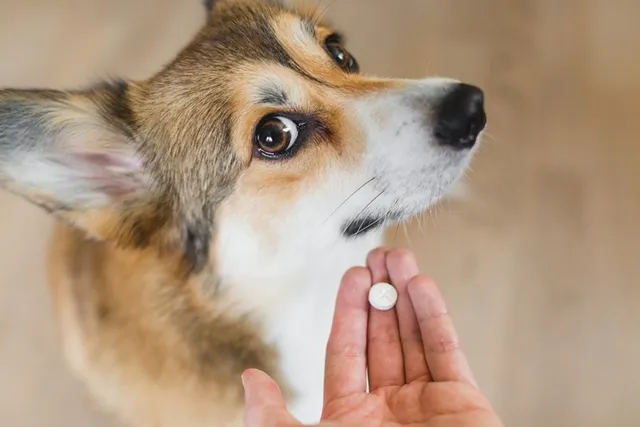
Previcox For Dogs: Our Vet Explains the Uses & Side Effects


In this article
Previcox is a medication made for dogs that is a non-steroidal anti-inflammatory drug (NSAID). As a class, NSAIDs are often used to decrease pain and inflammation, and Previcox is specifically marketed for that use in certain circumstances. Because it is a prescription-only medication, your veterinarian will determine when it may be indicated for your dog.
In this article, we will learn more about this medication, including its potential uses and some possible side effects.

What Is Previcox?
The brand name medication Previcox contains the active ingredient firocoxib. Firocoxib is used as an oral chewable tablet for dogs (Previcox) and is also available for horses in an equine form (Equioxx). Recently, in the United States, the Food and Drug Administration approved the first generic form of firocoxib, called Firox.
As previously mentioned, Previcox is a type of NSAID. More specifically, within this class, it is labeled and subcategorized as a COX-2 inhibitor. Normally, within the body, the COX-2 pathway results in a cascade of events that results in pain and inflammation. By inhibiting this pathway response, this medication aims to provide relief from the activation of pain and inflammation.
Previcox is labeled to be given in a few cases. One is to control pain and inflammation seen in dogs with osteoarthritis. The second is to control pain and inflammation after surgeries that deal with the soft tissue (internal organs) or orthopedics (musculoskeletal system). Previcox can also be given up to 2 hours before said surgery so that control of pain and inflammation is already on board.
In addition, a veterinarian may use this medication extra-label or off-label (meaning it is used differently than its originally intended and approved purpose) such as to decrease fever or alleviate inflammation from other causes or medical diseases.
One important consideration regarding Previcox is that a dog must be at least 7 months old to be given the medication. Additionally, because of how the product is made and scored specifically, a dog that weighs less than 12.5 pounds (5.7 kg) can’t accurately be dosed with this medication. Keep in mind that this drug has not been evaluated in pregnant or lactating dogs.

How Is Previcox Given?
Previcox is a flavored chewable tablet given once daily. Keep in mind that any generic medication may differ and always follow the instructions given by your veterinarian. The specific Previcox dose will be determined by your dog’s doctor and the amount is based on your dog’s overall weight.
This medication should not be given with other NSAIDs or corticosteroids. While some NSAIDs are recommended to be given with food, Previxoc markets that it can be given with or without food.
What Happens If You Miss a Dose?
If you miss a dose, you have two options depending on how long it has been since the missed dose. One option is to give the pill as soon as you remember, and then the subsequent doses would be given at the original recommended intervals from this new start time.
Alternatively, if so much time has passed that it is closer to the next regularly scheduled dose, you may opt to wait until that dose is due and give it normally as the instructions recommend. Even if a dose was missed, do not ever double the dose, or give more than the original prescribed amount in a single setting.

Potential Side Effects of Previcox?
NSAIDS are more known to affect the gastrointestinal, liver, and kidney systems within the body.
Some side effects to look out for in dog-approved NSAID medications, including Previcox, include:
If any negative signs are noted, the medication should be put on pause while contacting your dog’s veterinarian right away. In addition, if a dog has a hypersensitivity to the main ingredient, firocoxib, they should not be given Previcox to avoid an allergic reaction.

Frequently Asked Questions (FAQ)
Why is this medication prescription only?
Previcox (as well as other NSAIDs) is a medication where a veterinarian’s education and experience are needed to determine if this medication is best to be used for treatment. In addition, because these medications can have serious side effects, these should be discussed and monitored.
Your veterinarian will perform a complete history and physical exam prior to a dog beginning the medication. It may also be recommended to conduct bloodwork prior to starting the medication and to continue laboratory monitoring thereafter on a long-term basis.
What flavor is the chewable tablet?
It is barbecue flavored; the manufacturer advertises this as highly palatable to dogs.

This medication is marketed to treat osteoarthritis. What is this?
Osteoarthritis is a non-infectious degenerative disease that affects the joints by causing deterioration of the joint cartilage while also forming new bone. Unfortunately, once it evolves, it will continue to get worse over time. In the end, this results in stiffness, pain, and having joints that do not operate normally. It can affect about 25% of dogs and is the most frequent form of arthritis seen in our canine companions.
It can occur primarily (originating and occurring on its own) in older dogs, but can also be seen secondarily (originating as a result of another condition) in other orthopedic diseases including hip dysplasia, cruciate ligament disease, patellar dislocation, elbow dysplasia, etc.
Conclusion
Previcox is a non-steroidal anti-inflammatory medication that is available via prescription and can be used to help alleviate pain and inflammation in dogs. While it can have side effects to be monitored for, it is a commonly used medication that can, in many instances, help provide comfort for our canine companions.
Sources
Featured Image Credit: Tetiana Radachynska, Shutterstock
Expert dog care, straight to your inbox
Vet-reviewed advice, training tips, and the best of Dogster. Free, and you can unsubscribe anytime.
By signing up, you agree to our Terms & Conditions and Privacy & Cookies Policy.
Dr. Rachel Ellison DVM (Veterinarian)
Dr. Rachel Ellison lives on a mountain in Utah with her husband, daughter, and son, as well as their animal menagerie— a Bernese Mountain Dog, a Bengal/Siamese mix, and an orange tabby cat, as well as numerous chickens. During her free time, she enjoys being with those she loves, cooking and baking, reading, hiking, sharing her knowledge about cats, and exploring nature and the world around her.
Join the conversation
Ask a question, share your story, or send private feedback.