Cat Nose vs Dog Nose: Main Differences Explained (Vet Approved)


In this article
Although there are several differences between cats and dogs, there are quite a few similarities, including their enhanced sensing abilities. Cats, dogs, and people rely on taste, sight, sound, touch, and smell to navigate the world.
However, humans simply can't detect scents as well as cats or dogs. People make their way through the world based on visual cues, but smell is far more important to cats and dogs.

Overview of Cat Noses

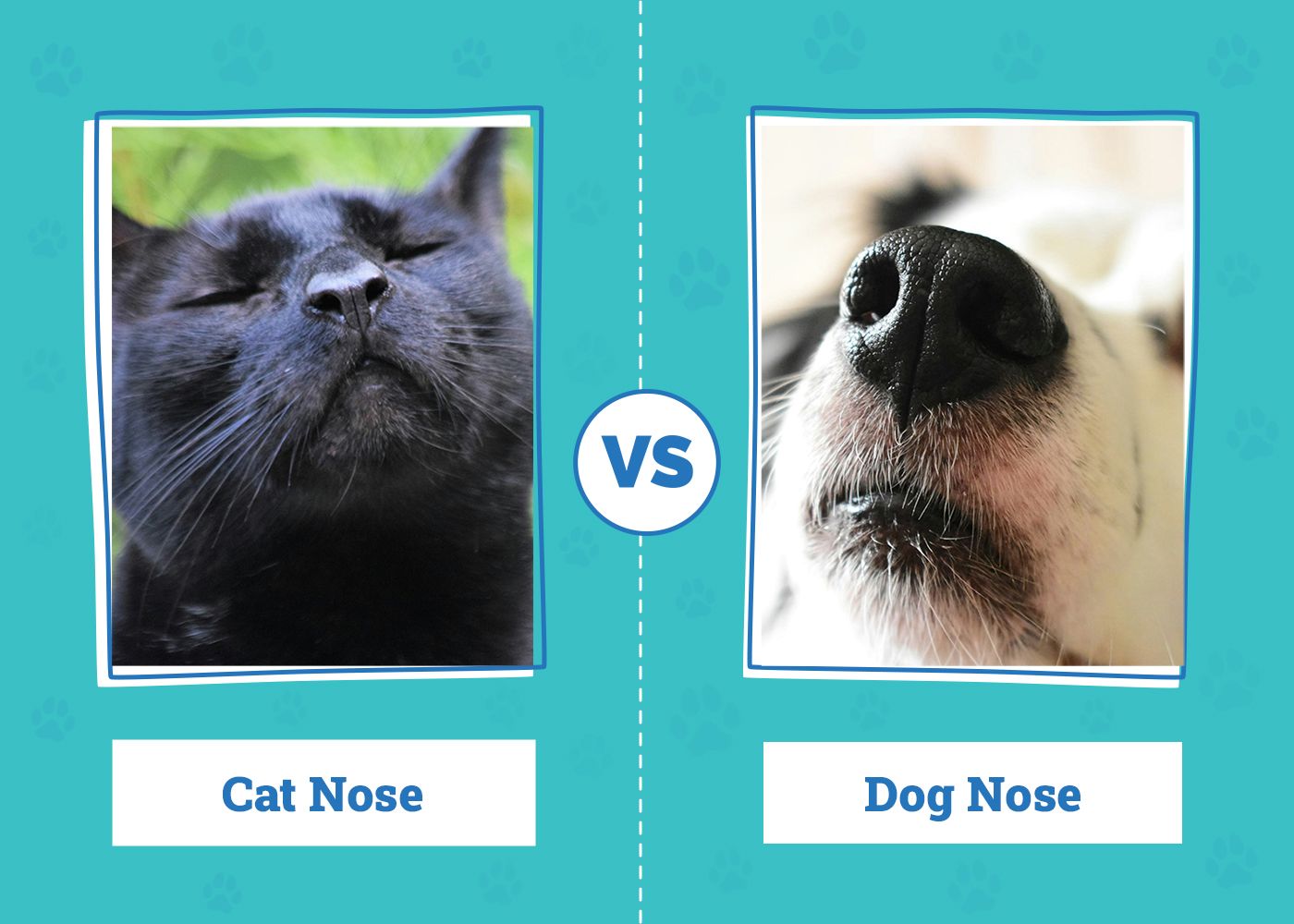
Cats are thought to smell about 14 times better than people. They have two scent organs; the nose and a Jacobson's organ (or vomeronasal organ), which allows them to pick up on pheromones. Pheromones are odorless chemicals that affect the behavior or physiology of other animals of the same species. They are often, but not always, used in reproduction.
The Flehmen Response
Cats interested in learning more about a smell often curl their upper lips and sniff the air. It's called the Flehmen response, and cats use it to draw pheromones over their Jacobson's organs to be sent directly to the brain.
Cats use their noses to gather information about each other when they meet, and kittens rely on smell to locate their mothers in the early days before their eyes open. Smelling is also part of how they recognize people and familiar locations.
Multiple Scent Glands

Cats have scent glands in several places, including on their heads and paws. When they rub their heads against people, cats leave behind pheromones that create comfortable scent signatures (feline facial pheromone) they identify with comfort and home.
Scratching works in much the same way. Cats in the wild do it to let others know that a territory is already spoken for, and it allows indoor cats to deposit scent markers that help them feel secure, at home, and relaxed.
Their sense of smell plays an important role in the feline sense of taste. Kitties who are having trouble smelling due to nasal infections or respiratory infections sometimes lose interest in eating. Cats who go blind can get around a familiar environment quite well using smell, hearing, and touch.

Overview of Dog Noses

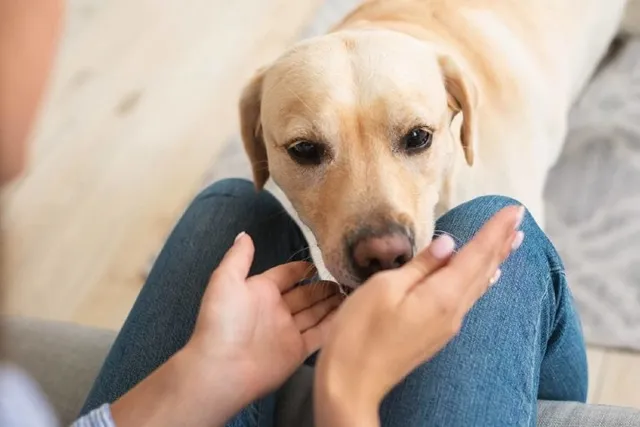
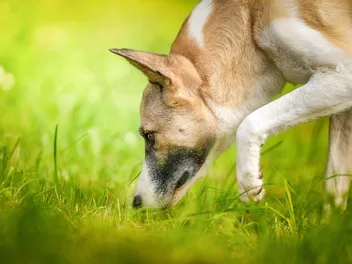
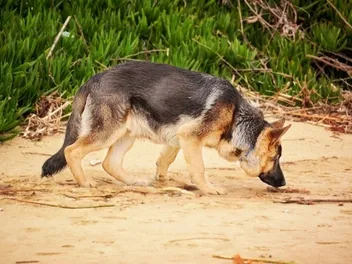
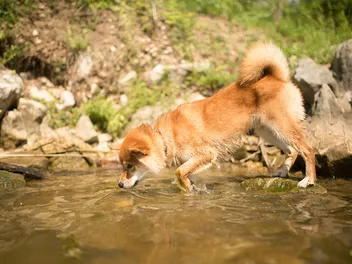
Although humans rely primarily on vision to gather information about their surroundings, dogs largely understand the world using their noses. Because the canine sense of smell is so strong, it's generally easier for dogs to adjust to vision loss than for humans.
Olfactory Skills
Most dogs have around 100 million olfactory receptors, but Bloodhounds might have as many as 300 million. Humans, by comparison, only have around 5 or 6 million. About 30% of dogs' brains are dedicated to interpreting smells, but people only use about 5% of their brains to process smells.
Dogs, like cats, have Jacobson's organs that allow them to pick up pheromones that carry details about reproductive availability. Puppies also use it to find their mothers when they're interested in nursing.
When dogs encounter interesting smells, they curl their lips and chatter their teeth to flood their Jacobson's organs with scent molecules. Their noses are also wet, which helps gather scent particles.

Gathering Information by Scent
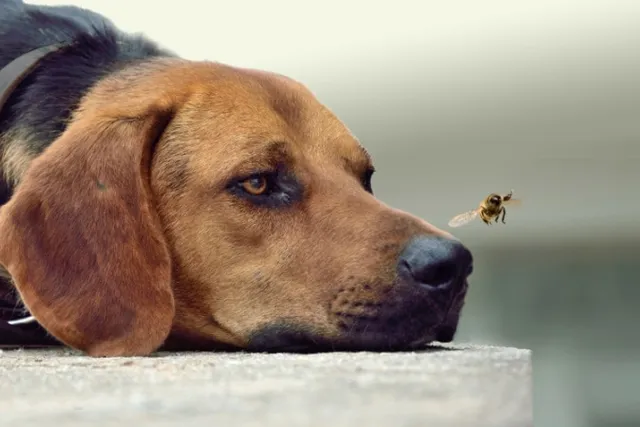
Bloodhounds’ and Beagles’ floppy ears are thought to boost their already otherworldly olfactory abilities by gently funneling scents toward their noses. Dogs can gather information, such as whether another dog is in a good mood or healthy, with just a quick sniff. Their noses also help them to recognize dogs they haven’t seen in a while.
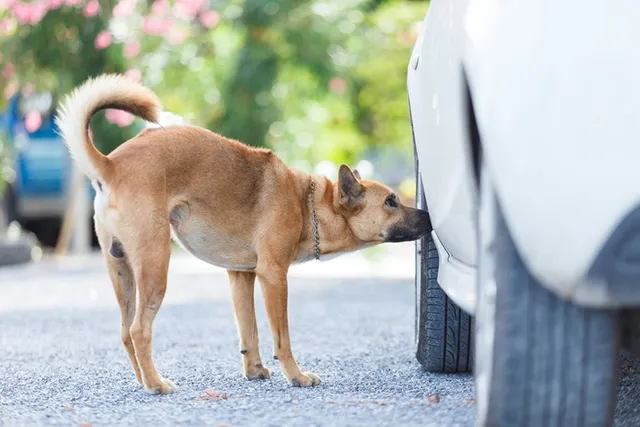
Dogs use their noses to determine if there are other dogs who call the area home and to determine where odors are coming from. They also identify humans by smell and can tell when a person is anxious or scared from chemosignals.

Frequently Asked Questions (FAQ)
Are Cats or Dogs Better at Detecting Pheromones?
Although there are several similarities between cats and dogs regarding olfactory abilities, some evidence suggests that cats may be better at detecting pheromones than dogs.
V1R receptors are found in the vomeronasal organ, dedicated to pheromone detection. Cats have 28 V1R receptors, while dogs only have nine.

Do Some Dogs Have Better Noses Than Others?
Yes. There’s a fair amount of variation between canine olfactory abilities. There are scent hounds like Bloodhounds and Beagles, who were bred specifically to have fantastic noses, and flat-faced dogs, who typically have less refined senses of smell.
Why Aren't Cats Used to Detect Bombs, Drugs, or Cadavers?
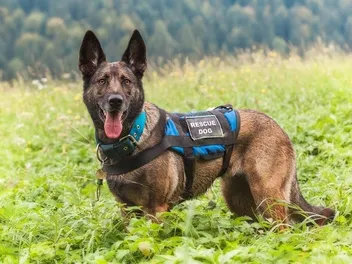
Dogs are easier to train and more interested in pleasing people than cats! Cats and dogs have different domestication histories, which partly explains the differences between the two regarding their trainability and desire to please humans.
Cats likely largely domesticated themselves, moving closer to ancient settlements to take advantage of easily available food sources. They provided rodent control services that benefited humans, but cats weren't bred for hunting, herding, or scent work.
Dogs have lived and worked alongside people for millennia, and they've been selectively bred to produce traits that make them well-suited to interact and communicate with people. Training a cat to detect bombs, cadavers, or drugs would take much longer than training a dog.

Can Cats Be Trained?
Yes! Cats can learn to wear harnesses, walk on leashes, come when called, and offer handshakes. Clicker training generally works well with kitties since it makes the targeted action super clear.
Can Cats Be Service Animals in the United States?
No. The Americans with Disabilities Act only recognizes dogs (and miniature horses under certain circumstances) as service animals.
Conclusion
Cats and dogs both have fantastic senses of smell. They have far more olfactory receptors than people and rely largely on smell to navigate the world. Cats and dogs both have two olfactory organs, and it should come as no surprise that they can smell far better than people. Because they navigate the world largely using their senses of smell, dogs and cats who go blind are able to adjust quite well to navigating familiar environments.
Sources
Featured Image Credit: (L) Jennifer Uppendahl, Unsplash | (R) Evi Kalemi, Unsplash
Expert dog care, straight to your inbox
News, insights, expert advice, and everything dog.

No spam — unsubscribe anytime.
By signing up, you agree to our Terms & Conditions and Privacy & Cookies Policy.
How useful was this post?
Click a star to rate. You can leave written feedback afterwards. (We read all feedback.)
Lorre Luther is a writer from Rotterdam. A former lawyer from the United States, she moved to the Netherlands to follow her dreams and become a writer. Lorre enjoys traveling and reveling in the astonishing beauty of our world. She has a soft spot for animals and is firmly convinced that cats are smarter than humans.