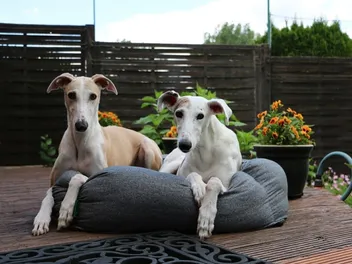
Scent Hounds: What Are They, Pros, Cons & FAQ

In this article
Scent hounds were initially bred to find and track game, and they’re best known for their fantastic olfactory abilities. The group includes several modern breeds, including Beagles, Basset Hounds, Bloodhounds, and Dachshunds. While they were originally used for hunting, many scent hounds now work as search, rescue, and detection dogs.
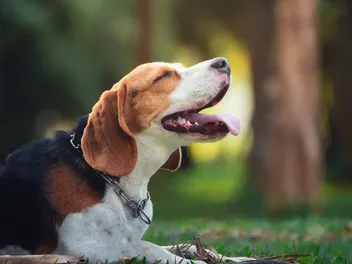
Scent hounds are also incredibly popular pets, as they were bred to be loyal and get along well with humans. Beagles, for example, have long been one of the most popular pedigree dogs in the US.

How Do Scent Hounds’ Noses Work?
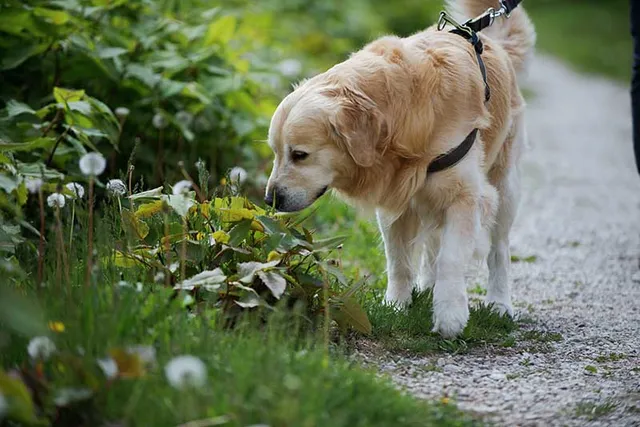
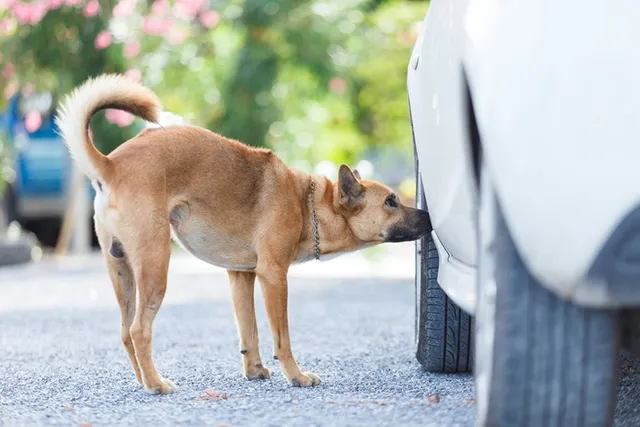
Because these dogs rely on smell to find and follow the game, they often have large noses and nasal cavities that provide plenty of surface area for scent molecules to flow over. Most also have wide nostrils for the same reason. Many scent hounds have floppy ears that fan scent molecules toward their noses and mouths to provide even more olfactory input.
Most have prominent cheeks and wet jowls, increasing the dogs’ super sniffing abilities. Also, several scent hound breeds have short legs, which may make it easier for these dogs to track scents as their noises are often relatively close to the ground.
While all dogs have outstanding senses of smell, scent hounds put the sniffing abilities of many other breeds to shame. While the average dog has around 100 million scent receptors,1 Bloodhound have between 230 million and 300 million.2 Like all dogs, scent hounds have Jacobson’s or vomeronasal organs that detect pheromones and communicate the information in these chemicals directly to the brain. Dogs’ vomeronasal openings are located behind their incisors.
When dogs curl their lips while sniffing, they’re bringing scent molecules into contact with their vomeronasal organs.
While humans tend to navigate the world using sight, dogs rely largely on smell. The part of the canine brain that interprets and works with smell is approximately 40% larger in dogs than humans. Scent hounds are better than the average dog regarding sniffing abilities. These dogs can even identify lingering smells and track scents over water. The canine sense of smell is so sharp that scent hounds adapt better to the loss of vision than humans, as they rely so heavily on smell to understand the world.

What Are a Few Types of Scent Hounds?
There are around 100 extant scent hound breeds, and several are extinct, such as the Southern Hound and the Talbot Dog. There’s a good variety in characteristics such as size and speed, as hunters around the world have historically selectively bred scent hounds with qualities best suited to local conditions, game options, and hunting-style preferences.
Grand Bleu de Gascogne dogs are typically quite sizable, with large males reaching 25½ inches to 27½ inches at the shoulders. Some can weigh more than 75 pounds. Grand Bleu de Gascogne dogs originated in France, where aristocrats used them for hunting large game such as deer and boar.
Bluetick Coonhounds are direct descendants of Grand Bleu de Gascone dogs mixed with English Foxhounds and several other breeds to create fast dogs with tons of endurance and fantastic cold scent skills ideal for the landscape of the North American continent. Bluetick Coonhounds were often used to find, chase, and tree raccoons. But they also worked in packs to bring down larger animals, such as mountain lions and bears. Bluetick Coonhounds max out at around 27 inches at the withers, and males weigh 55 to 80 pounds.

Porcelaine dogs are quite rare but were once incredibly popular hunting dogs among French aristocrats. They are 22 to 23 inches tall and weigh 55 to 62 pounds, and they were once used to find and chase deer, boar, and small game. Due to the breed’s association with the aristocracy, few made it through the French Revolution. The surviving animals were mixed with several breeds, including Gascon Saintongeois and Grey Harriers, to create the modern athletic, rugged Porcelaine breed. Porcelaine dogs can be found in limited numbers in France, Italy, the UK, the US, and Canada.
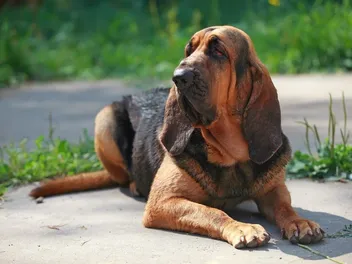
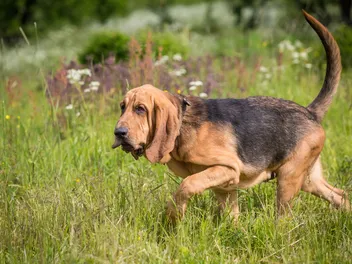
Although the origins of Bloodhounds aren’t entirely clear, they appear to have been recognized as a distinct type of dog around the middle of the 14th century. Medieval hunters used these large, heavy dogs to track large game, usually while leashed. Pack hounds would then be released to take care of the actual kill.
Enthusiasm for this ancient breed declined as fox hunting became more popular than slower on-foot hunts. Interest in these dogs increased in the 1800s due to the growing popularity of dog breeding. It’s unclear exactly when Bloodhounds first made it to North America, although the AKC recognized the breed in 1885. The breed has long been a favorite with law enforcement agencies in the US, where Bloodhounds have historically been used to search for people.

Where Do Scent Hounds Work?
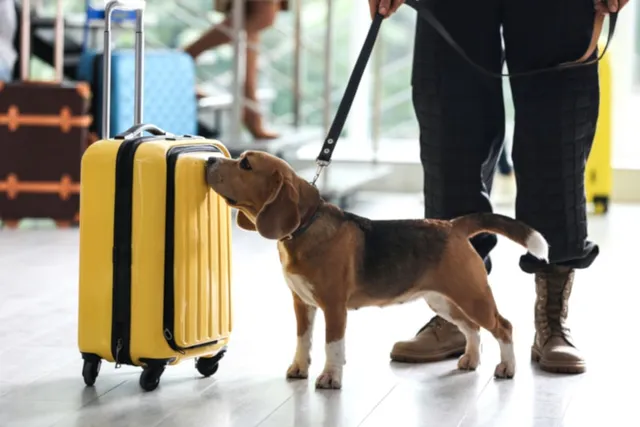
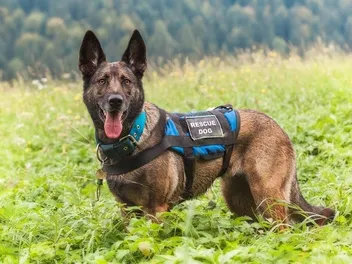
Today, scent hounds work primarily in law enforcement and detection roles. Bloodhounds are often popular search and rescue dogs in the US due to their incredible people-tracking abilities. The United States Department of Agriculture (USDA) even has a Beagle Brigade of working dogs assigned to airports and other points of entry to sniff out and prevent the importation of potentially contaminated agricultural products.
The brigade is mainly made up of rescue Beagles trained to detect odors such as citrus fruits and meat. Scent hounds can also do medical detection work. Beagles (and other breeds) can be trained to detect cancer cells by smell. While scent hounds can detect low blood sugar and oncoming epileptic attacks, many don’t excel at service work due to their tendency to fixate on new and interesting scents.
Advantages of Working with Scent Hounds
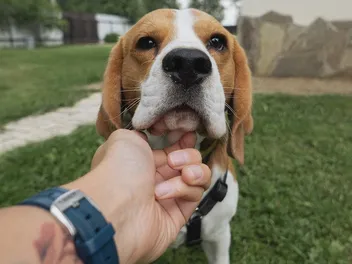
Working with scent hounds offers profound benefits in any situation where an acute sense of smell is advantageous. Small scent hounds like Beagles are often well suited for detection work as they’re small, not terribly intimidating, and quite approachable.
Bloodhounds are incredibly popular search and rescue dogs due to their ability to find lost people, particularly in rural and backcountry locations. Bloodhounds have stunning sniffing abilities (among the best in the canine world), and they’re also extraordinarily mellow and gentle, making them just right for finding and calming lost people.
Many of those who hunt and work with scent hounds develop strong bonds with the animals. Hunting dogs have historically been treated as valued members of the family in many cultures. It’s relatively common for retired scent hounds to be adopted by their handlers.

Disadvantages of Working with Scent Hounds
While scent hounds have astonishing olfactory abilities, they still need to be taught what to sniff for and how to alert handlers when they’ve detected a targeted smell. Not all scent hounds are suited to the life of a working dog; only about three-quarters of recruited animals make it through the USDA’s agricultural product training program for dogs.
Smaller scent hounds are often not the best choices when large expanses of ground need to be searched. While many of these dogs have tons of endurance, they’re not as fast as larger herding and sporting breeds such as German Shepherds and Labrador Retrievers.
Scent hounds also have limited work lives, as they need to be fit enough to walk long distances and comfortably scramble around, over, and under obstacles. The USDA’s Beagle Brigade has a mandatory retirement age of 9 years old for all of their canine officers.
Frequently Asked Questions
Which Scent Hound Breeds Are Now Extinct?
Many breeds that are now extinct disappeared as they were mixed with dogs featuring other characteristics to create animals better fitted for local conditions and preferences. Some breeds that have disappeared through these sorts of practices include Northern and Southern Hounds.
Talbot Dogs were white scent hounds with short legs and long ears; sources suggest they resembled white Bloodhounds. Talbot Dogs became extinct in the 18th century.
Do Scent Hounds Vocalize More Than Most Dogs?
While it depends somewhat on specific breed characteristics, as a general rule, most hounds are enthusiastic vocalizers, particularly breeds developed to chase prey and bark to let their humans know where to find them. As pack dogs, most scent hounds love to engage with dogs around them, so they’re often more inclined than some pets to howl or bark in response to similar vocalizations made by animals in the neighborhood.
They also tend to bark when excited by a new scent—as a result of selective breeding. Many scent hounds benefit from training as it often helps provide appropriate ways to channel some of their deeply ingrained behaviors.
Conclusion
Scent hounds have amazing sniffing abilities. While the average dog has around 100 million scent receptors, Bloodhounds have a stunning 230 to 300 million to rely on. Well-trained scent hounds can identify old scents and follow trails across the water.
They were originally used as hunting dogs, but modern scent hound breeds developed over time in response to local game availability and hunting style preferences. Because of their olfactory skills, the laid-back animals are popular search and rescue and detection dogs.
Sources
Breed Standards: Grand Bleu de Gascogne | United Kennel Club (UKC)
Meet the Canine Officers Guarding American Agriculture - The New York Times
Underdogs | The Bloodhound's Amazing Sense of Smell | Nature | PBS
Deer Hunting with Dogs: Biggest Pros and Cons – The Hunting Dog
USDA’s “Beagle Brigade” Helping to Prevent African Swine Fever from Entering U.S. | USDA
Featured Image Credit: DanaTentis, Pixabay
Expert dog care, straight to your inbox
News, insights, expert advice, and everything dog.

No spam — unsubscribe anytime.
By signing up, you agree to our Terms & Conditions and Privacy & Cookies Policy.
How useful was this post?
Click a star to rate. You can leave written feedback afterwards. (We read all feedback.)
Lorre Luther is a writer from Rotterdam. A former lawyer from the United States, she moved to the Netherlands to follow her dreams and become a writer. Lorre enjoys traveling and reveling in the astonishing beauty of our world. She has a soft spot for animals and is firmly convinced that cats are smarter than humans.