Can a Dog Smell Water? Canine Smell Capabilities Explored


In this article
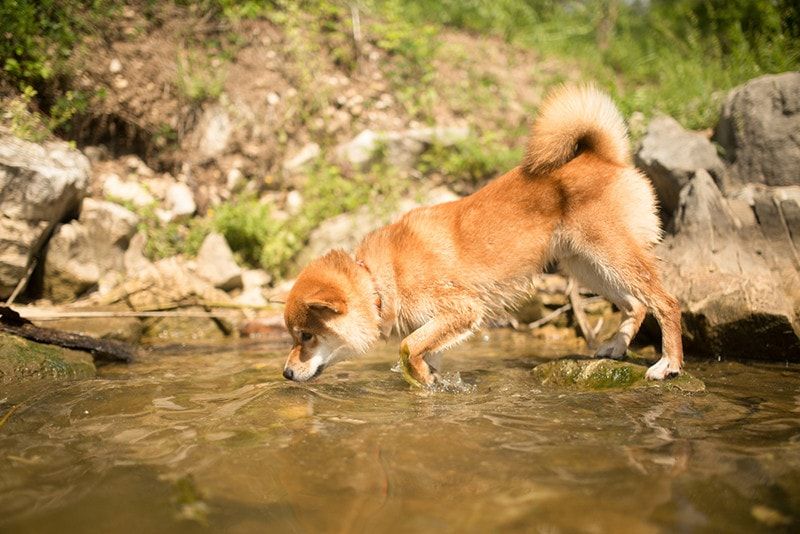
Most of us know that dogs have an incredible sense of smell, but just how good is it? For instance, can dogs smell water? Yes, dogs can detect certain odors associated with water, including minerals, organic material, or contaminants, but pure water itself has little to no odor. However, cleaner water is thought to have less of a smell than dirty water. For example, a muddy pool of water outside carries a lot more smells than your drinkable tap water or bottled water.
In the wild, smell may help dogs detect contamination or organic material in water, but it does not reliably allow them to determine whether water is safe to drink. Dogs may still drink contaminated water and are not protected from waterborne illness based on scent alone. Dogs may show preferences based on the taste, smell, temperature, or freshness of their water. This may help explain why some dogs hesitate to drink when their water bowl becomes dirty or stale.
If you’ve ever wondered about your dog’s sense of smell, including how strong it is and whether it can sniff out things in water, you’re in the right place. Check out the answers to those topics and more relevant info down below.

Can Dogs Smell Through Water?
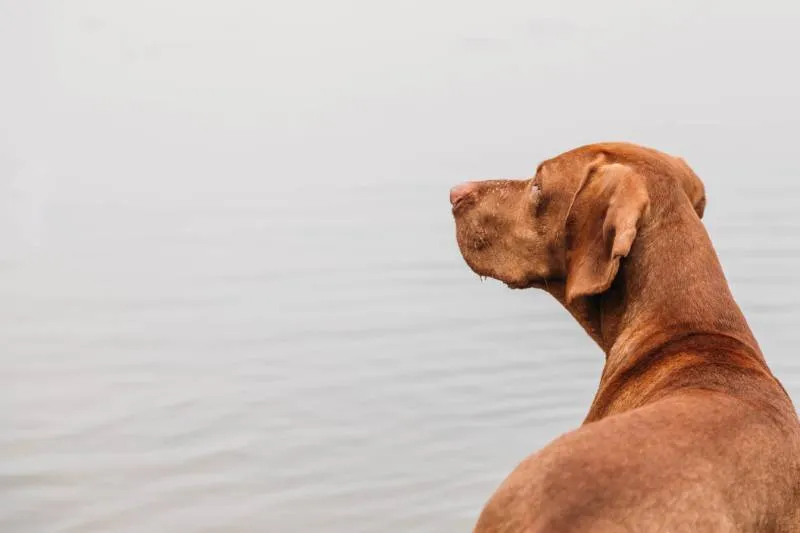
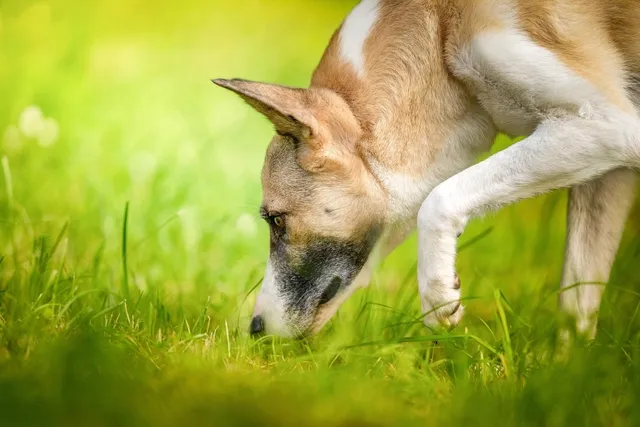
You might have seen or read about criminals going through or across rivers to avoid police dogs from catching their scent, but the idea that water somehow “hides” scent from trained dogs is an oversimplification. Water can disperse, break up, and dilute scent particles, making some trails harder to follow, but dogs do not lose all scent when someone crosses water. Trained scent-tracking dogs are often able to relocate a trail by finding and following scent where it enters or exits the water, or by detecting odor molecules that rise from submerged sources to the surface, which dogs can pick up with practice and training.
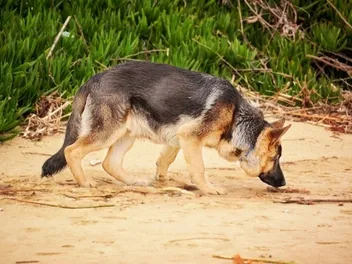
Some dogs, like German Shepherds, Porties, and Labs, are especially good at tracking scents like people and game through water. Unlike tracking on dry land, water affects how scent disperses and may weaken a trail over distance, so dogs generally perform best when the scent they’re tracking is relatively fresh or when they can reestablish contact with the trail at a clear entry/exit point.
How Sensitive Is the Average Dog’s Nose?

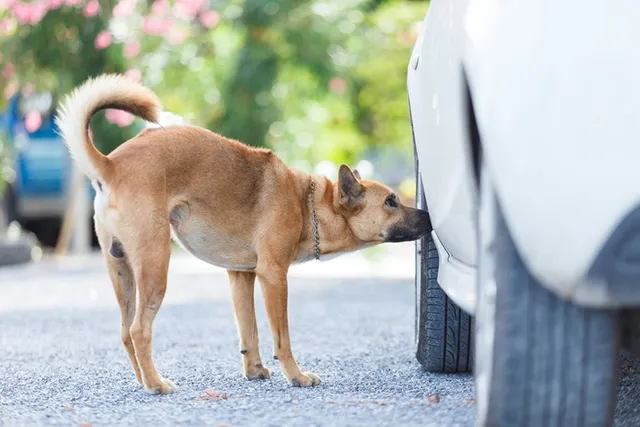
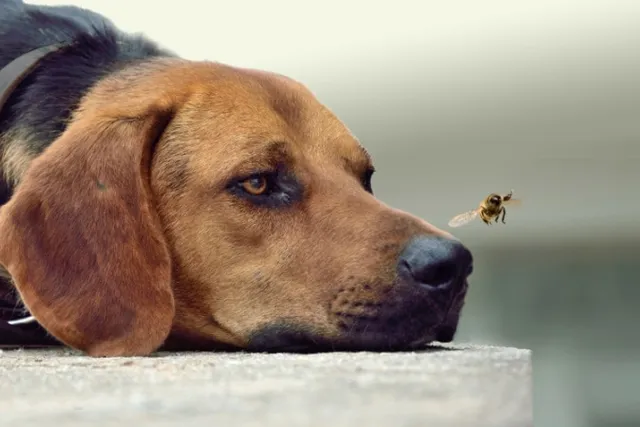
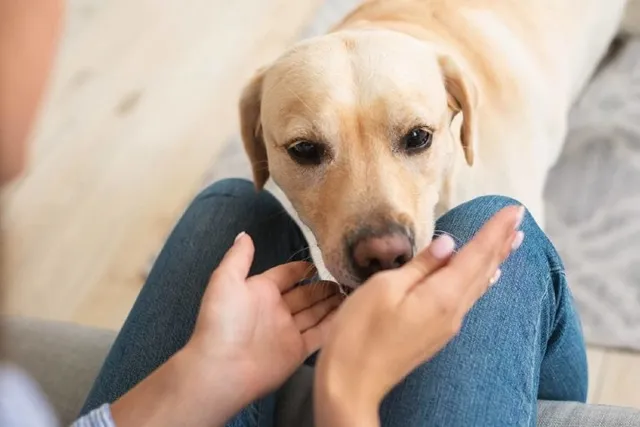
According to the AKC, the average dog’s sense of smell is more than 100,000 times stronger than ours 2. However, other estimates place the number at just 10,000 or 100,000 times. All this olfactory processing power is thanks to their olfactory receptors, which a dog has up to 300 million of in their noses. Bloodhounds, for instance, usually have the most olfactory receptors out of any dog breed and, therefore, the best sense of smell.
On top of it, the part of their brains that is used for processing odors is proportionally about 40 times larger than ours! Dogs have been documented to perform some truly mind-boggling feats when it comes to smelling things, and we’ll be listing some of those below for you to skim.
What Can Dogs Smell:
Conclusion
We knew dogs had a strong sense of smell, but feats like detecting cancer and tracking trails through water are really something else. Their brains even devote more processing power to analyzing smells, with a proportionally much larger olfactory processing area than in our human brains, making them living, breathing “smell computers!”
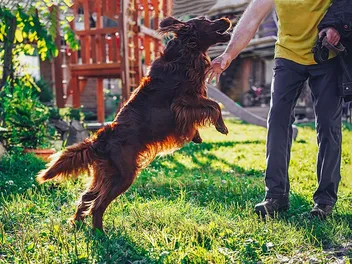
Featured Image Credit: Akim Lakeev, Shutterstock
Expert dog care, straight to your inbox
News, insights, expert advice, and everything dog.

No spam — unsubscribe anytime.
By signing up, you agree to our Terms & Conditions and Privacy & Cookies Policy.
How useful was this post?
Click a star to rate. You can leave written feedback afterwards. (We read all feedback.)
Codee Chessher is a freelance writer whose motto is: there is nothing a well-worded sentence can't accomplish! He loves to write about pets, travel, DIY, and more. Codee's experience is varied, but the written word has always been his strongest and biggest passion.