How to Train a Pomeranian: 10 Vet-Approved Tips



Pomeranians are a popular, peppy toy breed that became more famous by being associated with their star-studded owners. Celebs and royalty love them, but the outgoing Pom can join any family home as long as they are well-trained. Pomeranian training is much the same as training for any other dog, but there are some special considerations you can't afford to miss!
Take a look below to learn 10 great training tips to help your pretty Pomeranian.

The 10 Tips on How to Train a Pomeranian
1. Set Your Goals
Before you even begin to train your Pomeranian, you must have a clear path and goals. What do you hope to achieve with training? Are you looking to house train, or do you want a master of obedience classes? Knowing what you want to do and having a "road map" of training can help you and your Pom achieve your goals.
Starting off small, such as learning basic commands like "sit," can boost your Pomeranian's confidence and tell you a lot about what motivates them in training. Once these short commands are mastered, you'll better understand how your Pomeranian reacts to learning.
They'll also know what's expected of them, and you can continue to the next step of your training plan. Of course, it doesn't have to be planned out with absolute precision, but even a general plan to guide you is better than none at all!

2. Use Positive Reinforcement
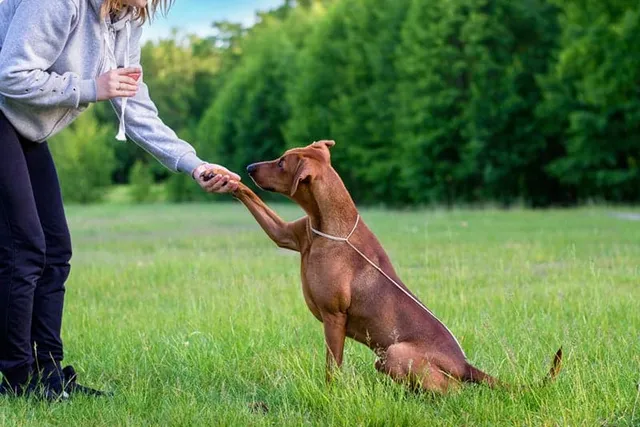
Positive reinforcement is using pleasurable rewards to reinforce behavior or actions in your dog. For example, if you ask your Pomeranian to sit and they do, giving them a treat and lots of praise would be positive reinforcement. The opposite is punishment, which uses a negative action or stimuli to achieve the same goal.
For example, activating a shock collar on a Pom that won't stop barking is a punishment. Never use punishments to train a Pom. All this will do is serve to make your Pomeranian scared of you. Studies have shown that it can increase aggression and is less effective than positive reinforcement.
3. Be Patient and Consistent
Consistency is vital if you want your Pomeranian to pick up training quickly, and it can prevent frustration on both sides. Using the same commands in the same tone of voice is essential, as dogs can only understand so much. For example, if you're using "here" as a command to get your Pom to come back to you one day, don't be surprised they don't listen if you change it to "come" the next!
Patience and consistency also apply to different family members, as each person should consistently apply the command to specific situations and actions to allow your Pom to connect the dots. Patience is also important; consistency can significantly increase the speed of training, but some dogs will need a little longer to understand what you want them to do than others.
Remember that all training will take time, and giving in to frustration can make it less enjoyable for both of you. Gentle guidance and understanding can help keep your Pomeranian confident and engaged in training, enabling you both to get the most out of your session. It'll also make it a lot more enjoyable!

4. Find the Right Rewards
Each dog is different, and your Pomeranian will have specific motivators in training that will have more of an "impact" than others. Rewards should be something your dog loves, which can be given quickly, so they can reinforce the behavior you're trying to teach.
For example, a tasty treat is a perfect reward if your dog is food-motivated. Likewise, if your Pomeranian loves a particular toy, giving it to them when they perform desired behavior is ideal. Finding your Pom's motivator 1 will drive them to want to succeed, and high-value items like favored treats and toys can help hold focus.
5. Remember Their Size
Pomeranians are toy dogs. They only weigh between 3 and 7 pounds and can get hurt easily when engaging in activities that a bigger dog might do with ease. But try telling that to a Pomeranian! Poms love to get involved and are energetic and adventurous, so you'll have to be the voice of reason during their training.
Poms can easily damage joints and break bones by jumping off beds and couches. Use your discretion, but don't think for a minute that your Pom will shy away from any training you wish to do with them!

6. Work Training Into a Routine
Dogs thrive on routine, and training is no different. It's much easier to manage expectations when your Pomeranian knows what comes next, and it'll be easier for you to commit to the time to train.
Doing even a small amount of daily training with your Pomeranian will help solidify commands in their mind, build the bond between you, build trust (on both sides), prevent boredom, and keep your Pom's mind sharp.
Even older Pomeranians will benefit from daily training, particularly training exercises that engage their minds. Training doesn't need to be a long process; small training sessions are perfect to fit into even the busiest lifestyles.
7. Practice, Practice, Practice
Your Pomeranian needs to learn the command word, understand the behavior or action you want/don't want them to do, and has to link the two together. This, like any skill, takes practice! Some dogs will quickly pick up new commands and only need a few weeks of repetition here and there to master the cue.
Others will need a lot longer. With practice comes mastery, and it's fun for your dog to show off how well they've performed. However, don't repeat the command back-to-back if your dog isn't responding. It only works if they can perform the task after one command is given.

8. Don’t Be Afraid to Go Back a Step
Your Pom may respond to a command one day and ignore it the next day. This is called training regression, and it's very common. Don't be afraid to take your Pomeranian's training back a step and go back to the basics.
Reasons for training regression include:
9. Understand What Your Pom Is Telling You
If we want our dogs to understand us, we should try to understand them. We know that dogs use body language, facial expressions, vocalizations, and actions to convey wants and emotions. In training, this can help you and your Pom and recognize when something is going well or not so well.
Training can elicit positive emotions, such as excitement and pleasure; it can also be emotionally taxing for your Pom if it isn't going well. Knowing what these look like and interpreting your Pomeranian's body language can help you understand when to push with training and when to leave it.
A fun example of how the meanings of canine communication and behavior can deviate from our own is yawning; dogs might yawn when they are bored but they also yawn when stressed or anxious. Owners can yawn to their dogs to help calm them down, and their dogs may yawn back. Yawns are contagious, after all!

10. Have Fun!
Lastly, ensure training sessions are fun, no matter which commands or cues you're practicing. Pomeranians will often match your energy, so you'll have to watch them and look for signs of fatigue or boredom to end the session before it stops being fun.
By making training something your Pom looks forward to, you're providing an extra motivator to perform well and increasing your bond.
In Conclusion
Training your Pomeranian will take time, perseverance, and praise, but it should be fun. Poms are intelligent dogs who adore their owners, and using our tips will ensure you both have a great time learning new commands, tricks, and ways of enjoying life together.
Remember to go slow, be patient and consistent, be positive, and don't sweat the small stuff but celebrate the little wins. You'll have your Pomeranian perfectly trained in no time!
See also:
Featured Image Credit: Gorodenkoff, Shutterstock
Expert dog care, straight to your inbox
News, insights, expert advice, and everything dog.

No spam — unsubscribe anytime.
By signing up, you agree to our Terms & Conditions and Privacy & Cookies Policy.
How useful was this post?
Click a star to rate. You can leave written feedback afterwards. (We read all feedback.)
Beth is a mom to two kids: one with four legs, one with two. Beth has years of practical experience as a veterinary care assistant , working in both the consult and in operating room, expanding her knowledge to gain certification in her favorite subject: feline behavior and welfare! When she's not writing about her favorite topics (cats and creature comforts), she's looking after her daughter and her mischievous Nebelung, Kiba. When she gets a moment to herself, Beth loves to delve into fiction books. Horror is her favorite genre, with fantasy and rich history being her second go-to's.