How to Train a Maltese: 16 Vet-Approved Tips


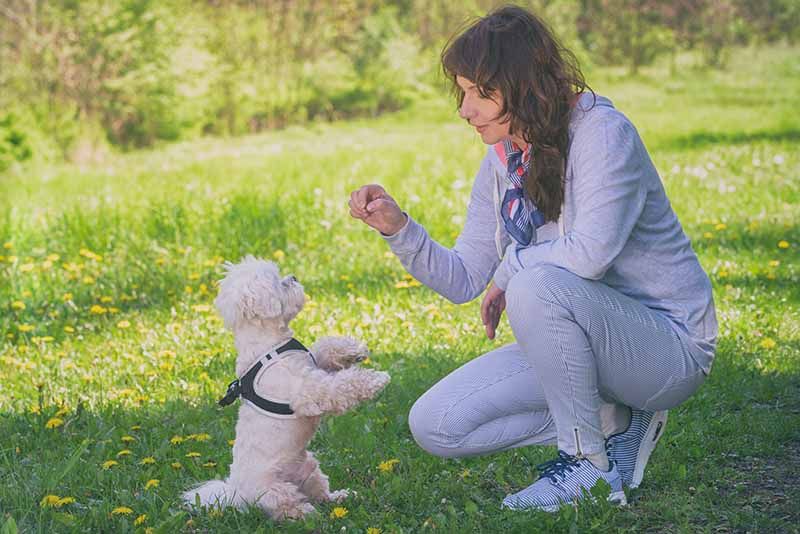
Owning Maltese dogs can be fun, as they make great pets. They are known for their small size, charming personalities, and beautiful white coats, but like any other dog, they require proper training to become well-behaved pets. If you need help in this area, keep reading as we list several tips that will make the process easier and increase your chance of success while making it more fun for you both.

The 16 Tips to Train a Maltese
1. Start Early
Start training your Maltese as soon as possible to help get them used to the idea and build a foundation for future learning. Puppies’ minds are open to new things, and just like kids, puppies have a great capacity to learn.

2. Establish a Routine
Create a consistent training routine that occurs at a scheduled time each day to help get your pet into a routine that they can rely on. Consistency gives them security and can help them learn faster and make it easier for them to understand what you are trying to do.
3. Use Positive Reinforcement
To encourage your Maltese to do what you want, reward them with treats, praise, and affection. Positive reinforcement is a powerful tool for shaping behavior, and it can help them learn much faster.
4. Be Patient
Maltese dogs can take a while to learn a new trick or command, so you will need to be patient while they figure it out. Avoid getting frustrated or resorting to punishment because it can make your pet unwilling to learn, and they may try to avoid your sessions.

5. Keep the Sessions Short
Keeping your training sessions to short intervals of 5–15 minutes will help keep your pet focused. It’s also better to leave your pet wanting more than getting bored.
6. Use Clear, Consistent Cues
Use clear and consistent verbal or hand signals when teaching your dog a new command. Each should be unique so your dog doesn’t become confused.
7. Socialize Your Maltese
Once your Maltese puppy has had their first round of vaccinations, you should ensure you gradually expose them to different people and healthy pets with a known vaccination status. Socializing your Maltese while they are still a puppy helps prevent fearfulness or aggression later in life. It will help them get along with strangers and other pets, and they will be less likely to bark or hide while on the trail or at the park. However, you should avoid bringing them into uncontrolled environments where they might meet unknown dogs until they are fully vaccinated, as this might jeopardize their health.

8. Practice Leash Training
Leash training is a great way to get your dog started with training, and it’s important for everyone’s safety when they are around others. Start indoors, and gradually progress to outdoor walks, providing plenty of positive reinforcement when they walk nicely and listen to you.
You may also be interested: How to Train Your Dog or Puppy to Walk on a Leash: Vet-Approved Tips
9. Encourage Good Behavior
If you catch your Maltese displaying good behavior, reward them with a treat or praise, even if it isn’t training time, to help them want to continue doing whatever got them the treat.
Maltese dogs are naturally people-pleasers, so your encouragement and cuddles go a long way. Use them even if you have no treats at hand the second they behave as expected.
10. Use a Crate
A crate helps you set up a safe and comfortable space for your pet to go if they are feeling overwhelmed or upset. It can also help with potty training because dogs don’t like to soil where they sleep. The crate needs to be gradually introduced and should never be abused or used as a punishment. Getting your Maltese accustomed to feeling calm and safe inside a crate or kennel will be very helpful in different situations, such as traveling.

11. Be Consistent With Rules
Set clear boundaries and rules for your Maltese, and enforce them consistently. It might seem like you are being harsh, especially at first, when they are testing your boundaries, but inconsistent behavior can confuse your dog. A dog will feel safer when they know exactly what is expected from them, which behaviors are allowed, and which are not. Constantly changing the “rules of the game” will end up causing them a lot of stress and insecurities.
12. Provide Them Opportunities to Express Natural Behavior
Dogs love to chew, especially puppies. Protect your property and relationship with your Maltese by providing them with appropriate chew toys. Be patient and redirect them to those toys whenever they attempt to chew on inappropriate items.
13. Train in Different Environments
Practice training your Maltese in various locations to generalize their learning and help them learn that they need to follow your commands everywhere you go.

14. Prevent Separation Anxiety
Accustom your Maltese to being alone by leaving them for short periods and gradually increasing the duration. Provide them with engaging toys or puzzles to keep them from getting bored and to help prevent separation anxiety, suffering, and destructive behaviors.
15. Stay Calm and Positive
Dogs can pick up on your emotions, so stay calm and positive during training. A positive atmosphere will help relax your pet, making them more likely to want to learn.
16. Seek Professional Help
If you encounter significant challenges or specific behavioral issues during training, consider seeking guidance from a professional dog trainer or veterinarian. They can usually train the dog quickly and can often provide tips that will help you at home.

Summary
Training a Maltese is not difficult, especially if you start early and keep your training sessions short and consistent. It’s also important to be patient, use positive reinforcement, and socialize your dog with as many people, places, and animals as possible when they are still a puppy. Doing so will make training easier and help them feel more comfortable throughout their lives. If your pet is having an especially hard time learning, hiring a professional can help get them back on track.
See also: 20 Vet-Reviewed Maltese Facts to Know
Featured Image Credit: Monika Wisniewska, Shutterstock
Expert dog care, straight to your inbox
News, insights, expert advice, and everything dog.

No spam — unsubscribe anytime.
By signing up, you agree to our Terms & Conditions and Privacy & Cookies Policy.
How useful was this post?
Click a star to rate. You can leave written feedback afterwards. (We read all feedback.)
Ed Malaker is a seasoned writer who has contributed to a wide range of blogs covering everything from tools to guitars, and pets to fitness. When Ed isn't writing, he is usually making DIY projects around the house or working in the garden.