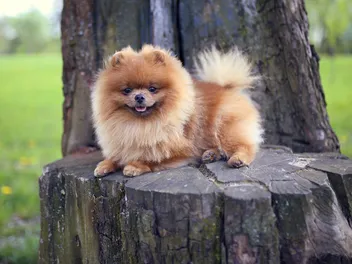
Why Is My Pomeranian Shaking? 6 Likely Reasons
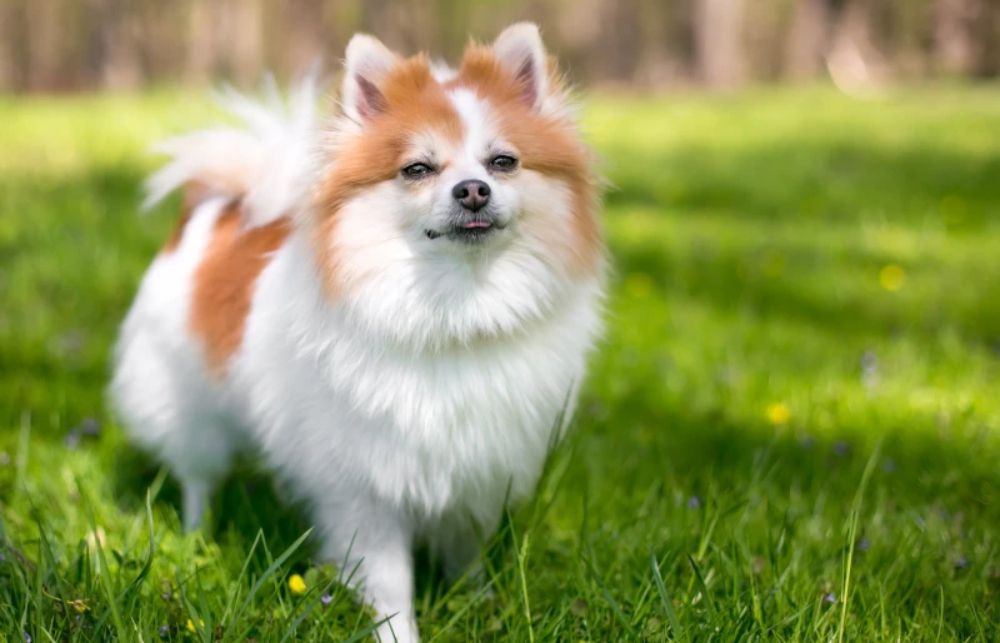
Pomeranians are cute, cuddly, and energetic and make excellent pets. Their small size and affectionate nature are also notable. Because our dogs are part of the family, it's natural to get worried when they start exhibiting signs they could be sick.
If your Pomeranian is shaking, it could be a minor reason, such as cold or overexcitement, or a more serious reason, such as pain, anxiety, or other medical ailments. If you are trying to understand why your Pomeranian is shaking, read this article to learn more.

The 6 Reasons Why Your Pomeranian Might Be Shaking
Some of the reasons for shaking include the following:
1. Pain
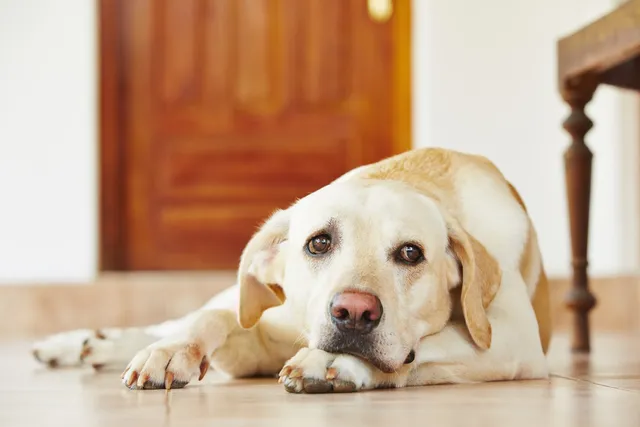
Pain is one of the primary reasons why your Pomeranian is shaking and shivering. In most cases, the culprit is usually joint or muscular pain. Typical examples are arthritis, which is common in senior dogs1, and other forms of lameness if your dog twists their paw or pulls a muscle. If the pain persists, your dog may favor one side when walking or lying down. In this case, the best option is to visit a vet.

2. Overexcitement
Your Pomeranian might start shaking if they are too excited. It doesn't take long to make them happy since they are friendly and highly energetic dogs. Giving them dog treats is enough to get them into a shaking and barking frenzy.
3. Poisoning
Several poisons and toxins can cause shaking in Pomeranians. Some human foods, such as chocolate, are poisonous to dogs. Besides shaking, the other signs of poisoning include depression, disorientation, drooling, vomiting, and diarrhea. Call the vet immediately if you notice these signs in your Pomeranian.
4. Nausea
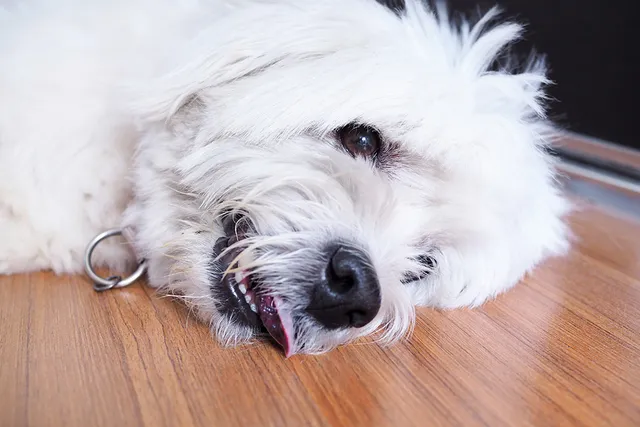
Pomeranians can get nausea for several reasons, including medication, overeating, or eating the wrong substance. Nausea can also develop from liver and kidney diseases. Other signs of nausea include drooling more than usual, lip smacking, and listlessness. You need to figure out why your dog is nauseous. If your dog is nauseous suddenly and you can't figure out why, take them to the vet immediately.
5. Stress and anxiety
If your dog is suffering from stress, maybe due to changes in the environment, food, or new pets or family around, they may start shaking. Try to remove the cause of the stress the best you can, and the shaking should pass. Of course, anxiety can become chronic, and it may be a good idea to take your dog to a behavioral specialist if the problem persists.

6. Shaker’s syndrome
Shaker syndrome is a condition in dogs, especially smaller breeds, that mainly causes body tremors in the head and body. Other names for this condition are idiopathic generalized tremor syndrome and steroid-responsive tremors. Small breeds have been more commonly associated with this disease, but any breed can suffer from it. Some signs of shaker syndrome in Pomeranians and other smaller dogs include localized tremors varying in severity from mild to incapacitating.
In most cases involving small dogs with shaker syndrome, tremors worsen with extreme exercise and excitement. They might improve or resolve themselves when the dog is sleeping or resting. Shaker syndrome’s cause is currently unknown; however, recent studies propose that it may be an immune-mediated disorder of the central nervous system. Some treatments can help alleviate the signs.
7. Distemper
A less common reason for shaking is Canine distemper, which is caused by a virus and occurs mainly in puppies and adolescent dogs that have not received full vaccinations. Shaking and trembling are common signs in dogs with this condition. Some other signs include coughing, excessive barking, and eye and nose discharge.
Distemper is often fatal, and medical attention should be sought immediately. The treatment involves supportive care when the dog's immune system fights the virus. Antibiotics, physical therapy, and airway dilators are also used as treatment options.


How Do I Know if My Pomeranian Is in Pain?
No pet owner wants their dog to be in pain; unfortunately, dogs feel pain like humans. It's up to you to notice these sometimes subtle signs that indicate your dog is in pain and figure out what you can do to help. Some signs include:
- Arched back
- Shaking and trembling
- Twitching muscles
- Panting
- Aggression
- Excessive barking
- Change in sleeping position
- Restlessness
- Mobility issues
- Reduced appetite
How Can You Help a Dog That's in Pain?
If your dog is in pain, you should minimize their suffering as much as possible. Some of the steps you should take include the following:
1. Consulting a Vet
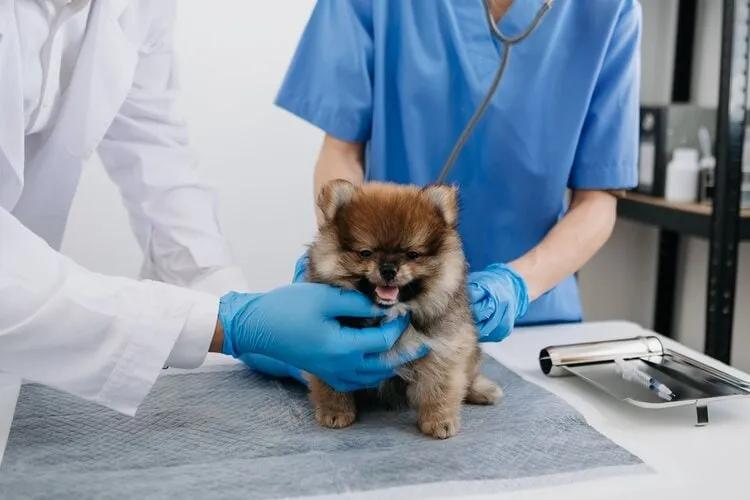
If you notice that your dog is in pain, consult a vet. They will diagnose the problem and begin treatment immediately. They may need to perform physical exams and diagnostic tests, such as blood tests and ultrasounds, to avoid missing infections or injuries. Treatment options for pain may include painkillers, anti-inflammatories, antibiotics, and physical therapy.
2. Modify Their Physical Activity
If your pet is experiencing pain during physical activity, you should modify their exercise, such as taking shorter walks and cutting down on strenuous activity. In cases where your dog is suffering from acute pain, the changes may be temporary.
3. Record All the Signs
If you notice your dog exhibiting several signs of pain, recording them is a wise idea. You can write them down and take pictures and videos. Note the time the signs occur and how your dog reacts to them. This will help your vet understand the scenarios where your dog is experiencing pain and make the correct diagnosis.

Conclusion
There are many reasons why your Pom could be shaking, from excitement to anxiety. While most causes are fairly benign, some can be more serious, and in those cases, it’s a good idea to reach out to your vet. Your veterinarian can diagnose the problem and develop a treatment plan.
Sources
Featured Image Credit: Mary Swift, Shutterstock
Expert dog care, straight to your inbox
Vet-reviewed advice, training tips, and the best of Dogster. Free, and you can unsubscribe anytime.
By signing up, you agree to our Terms & Conditions and Privacy & Cookies Policy.
Nicole has loved animals of all sizes her whole life so it's no wonder she has dedicated her career to helping them through what she loves best: learning, writing, and sharing knowledge with others. She’s the proud mom of two dogs, a cat, and a human. With a degree in Education and 15+ years of writing experience, Nicole wants to help pet parents and pets around the planet to live happy, safe, and healthy lives.
Join the conversation
Ask a question, share your story, or send private feedback.