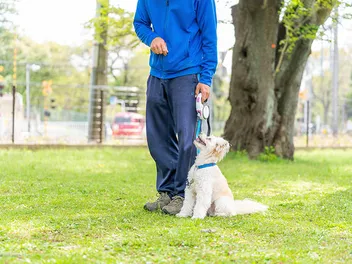
How to Train Shih Tzus: 10 Vet-Verified Tips



Shih Tzus are sweet, loving dogs full of charm and playfulness. They're known for their antics and deep devotion to their human companions. They have gorgeous long coats that come in several colors, including black, blue, gold, and red. They're relatively small dogs, with most standing 9 to 10½ inches tall and weighing 9 to 16 pounds.
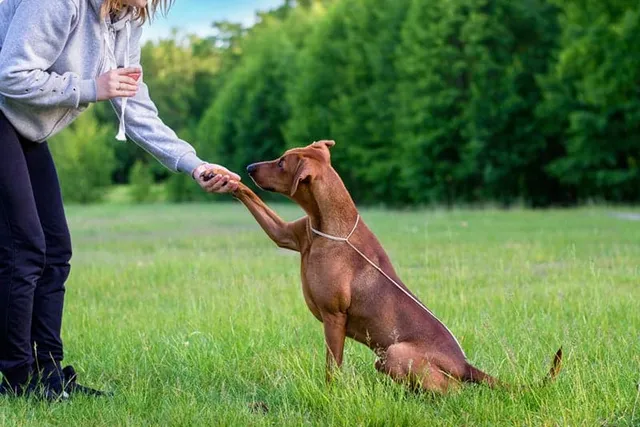
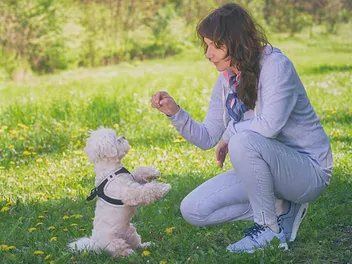
Shih Tzus have a reputation for being stubborn and therefore, difficult to train. But most do fine with consistent, reward-based training, though starting early often makes the process much easier. Read on for 10 expert Shih Tzu training tips!

The 10 Tips on How to Train a Shih Tzu
1. Start Early
Dogs that are slow or stubborn when learning new things often benefit from early obedience training and socialization. Puppies can start working on basic commands such as sit, stay, down, and quiet at around 8 weeks old.
Keep things short: About 5 minutes of training at a time for 15 minutes per day is all most puppies can handle. Puppies are generally more receptive to learning basic commands before 6 months of age, but training can still continue successfully after this age. Older puppies may require more patience and motivation, which is why starting early is the key.

2. Stay Positive
Positive reinforcement techniques are essential for getting the best out of your Shih Tzu, as dogs don't respond well to punishment and other aversive training techniques.
Harsh tones and speaking sharply to Shih Tzus during training often create anxiety and stress, which can seriously hinder learning. Make training fun to ensure your pet stays enthusiastic and interested.
3. Ignore the Negative
One of the best ways to convince Shih Tzus to stop doing something is to refuse to respond when your pet engages in the behavior you'd like to stop. If you're sure your pet's barking isn't a sign of stress, pain or illness, simply ignoring it is often the best course of action.
Tell your pet, "Quiet," and wait patiently until they stop barking. Once the behavior stops, give your dog lots of love and a few treats. Most dogs quickly learn that not barking is far more effective than barking for getting treats.

4. Provide Alternative Activities
Dogs that bark when people come to the door often do well when being redirected and given other things to do. Consider giving your pet a comfortable and quiet place to hang out from where they can’t necessarily see all the comings and goings at the front door. Train them to do something relatively enjoyable, like go to their favorite doggy bed and enjoy a puzzle feeder.
When the doorbell rings, tell your dog to go to their bed, and give them a treat once they do. Give this process plenty of time and patience, and be ready to invest in a fair amount of practice to get your pet to the point where things move smoothly when visitors are at the door, with consistent training and desensitization.
5. Reward What You Want to See
Be sure to reward your dog when you see them doing things you want to see. If you've been working on not barking when the doorbell rings, be ready with treats when you know someone will pay a visit.
Reward your dog just at the right time when they are calm and relaxed, well in advance of expected undesirable behavior, such as barking, to let them know you saw and appreciated their efforts. Shih Tzus are incredibly people-oriented dogs, so they often respond well to praise and treats.

6. Be Consistent
Training Shih Tzus is mainly about communication, as these dogs were bred to be in tune with their humans and want to please their owners. Using the same words or hand gestures consistently during training helps dogs understand precisely which behavior you're looking for.
Stop, come, down, and sit are all commands that may slip out when you're trying to get a dog to stop from jumping on your neighbor, but using different words makes it more difficult for your dog to comply with your wishes. Consistently using one command sets your dog up for success by helping them understand precisely what's expected of them.
7. Provide Lots of Toys
Dogs often engage in unwanted behaviors when bored or stressed. Toys are a great way to keep dogs engaged and entertained. Puzzle toys and interactive feeding options encourage pets to use their canine skills to "solve" the "problem" of getting treats.
They're not only fun but also provide dogs with a sense of accomplishment, which is essential for optimal canine mental health. Just keep an eye on the treats to ensure your pet maintains a healthy weight.

8. Ensure Your Dog Gets Enough Physical Activity
Dogs need exercise to stay physically fit and mentally on track. Most Shih Tzus do best with two good daily walks and playtime, depending on their age, health, lifestyle and outdoor temperatures. Dogs that don't get enough exercise are often at heightened risk of obesity which predisposes them to a variety of serious health issues. However, with Shih Tzus being brachycephalic dogs, meaning they have a short nuzzle, walks should be reserved for cooler part of the day in the summer.
Insufficient physical activity also leads to boredom, stress, and anxiety in pets, which often results in excessive barking, destructive behavior, and going to the bathroom indoors. Dogs that get enough physical activity may be less likely to exhibit these undesirable behaviors.
9. Remove Triggers
Some Shih Tzus can be territorial and may bark at people walking by. While training dogs to bark less is often possible, removing stimuli can go a long way toward improving the situation. If your Shih Tzu tends to bark at people on the sidewalk, consider closing the curtains so your pet isn't triggered by what's happening outside.

10. Get Help
Figuring out how to get the best from your pet can sometimes be difficult. Consider reaching out to a professional dog trainer, behavioral therapist, or veterinarian for help if you feel that you need more time to get results despite consistent efforts.
Sometimes just a few minor technique tweaks can make a huge difference. Puppy classes can be a great option, as they often combine basic obedience training with socialization opportunities.
Final Thoughts
Shih Tzus are smart, loving dogs that adore being around their favorite people. Although they're generally sweet and playful, some can be difficult to train, and their stubbornness requires patient training to overcome. But these affectionate dogs do well with solid reward-based training, particularly if it's consistent.
Shih Tzus tend to be somewhat sensitive, so it's critical to stick with positive training techniques. Treats and rewards work well when training this dog and provide options to encourage the behavior that you'd like to see.
See also: How to Potty Train a Shih Tzu
Sources
https://vcahospitals.com/know-your-pet/signs-your-dog-is-stressed-and-how-to-relieve-it
https://www.humanesociety.org/resources/how-get-your-dog-stop-barking
https://www.petmd.com/dog/training/when-start-training-puppy
https://www.humanesociety.org/resources/how-get-your-dog-stop-barking
https://journals.plos.org/plosone/article?id=10.1371/journal.pone.0225023
Featured Image Credit: Drazen Zigic, Shutterstock
Expert dog care, straight to your inbox
News, insights, expert advice, and everything dog.

No spam — unsubscribe anytime.
By signing up, you agree to our Terms & Conditions and Privacy & Cookies Policy.
How useful was this post?
Click a star to rate. You can leave written feedback afterwards. (We read all feedback.)
Lorre Luther is a writer from Rotterdam. A former lawyer from the United States, she moved to the Netherlands to follow her dreams and become a writer. Lorre enjoys traveling and reveling in the astonishing beauty of our world. She has a soft spot for animals and is firmly convinced that cats are smarter than humans.