How to Train a Cavalier King Charles Spaniel: 9 Expert Tips


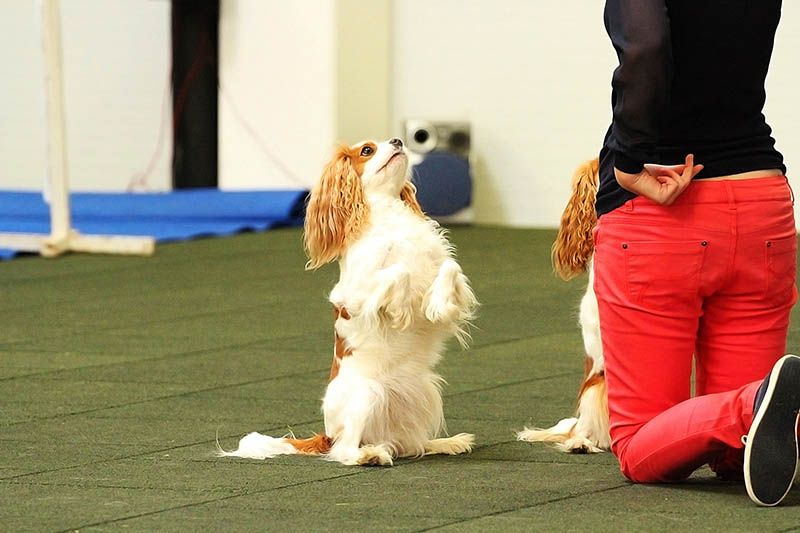
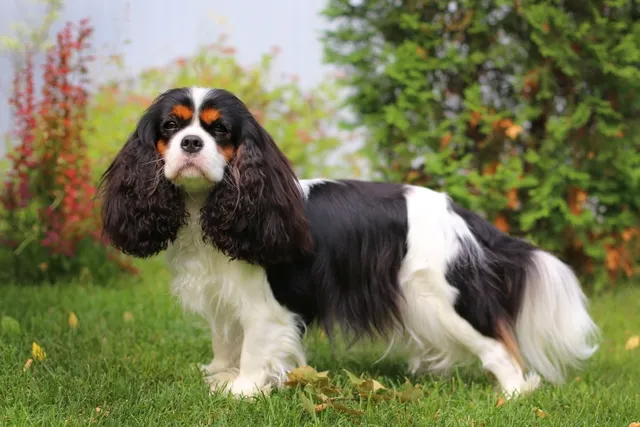
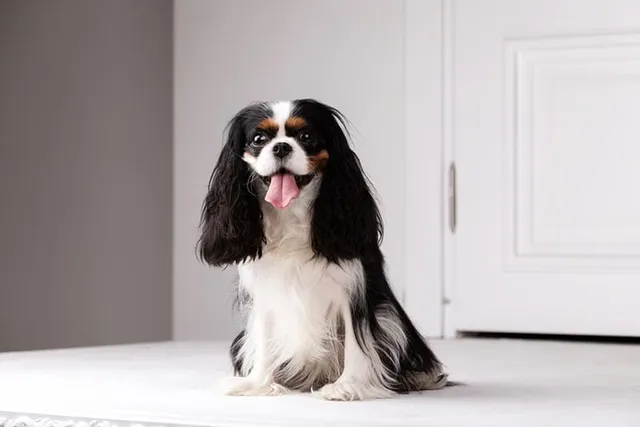
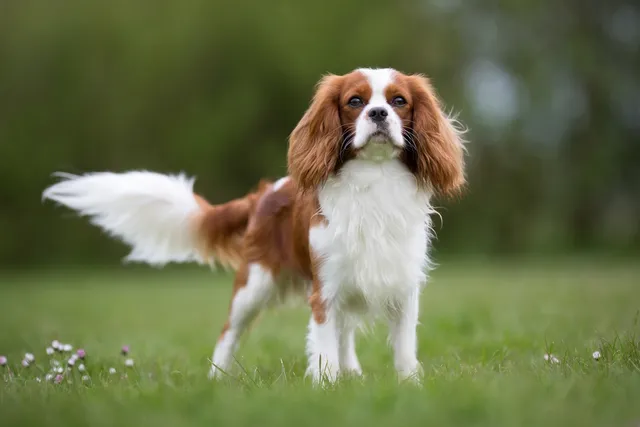
Cavalier King Charles Spaniels are sociable dogs that are very popular and a pleasure to own. They're affectionate and kind, and they are happiest when interacting with their owners. At only 13 to 18 pounds, Cavaliers are considered the largest of the toy breeds. They are small enough to jump in your lap yet strong enough to accompany you on long walks and hikes.
Cavalier King Charles Spaniels retain their instincts to chase and hunt game birds from their larger cousin, the Spaniel. Their fun-loving characters make them suitable for children and families. They are sure to charm the whole household with their goofy smiles and floppy ears. They have a reputation for being sweet-tempered and placid, which some people mistake for lower intelligence. Nothing could be further from the truth: they are a highly intelligent breed that responds well to training.
Training a Cavalier King Charles Spaniel can be a fun experience, so here are some tips to get you started.

The 9 Tips to Train a Cavalier King Charles Spaniel
1. Do Early Socialization
Socialization training for Cavaliers involves teaching them to interact appropriately with other dogs and people. It is important for their development and well-being, as it helps them understand how to behave in different social situations. Well-socialized dogs are more confident and relaxed, which makes them more enjoyable to be around. Socializing should start when your dog is very young.
The crucial period for a young dog’s behavioral development starts at 3 weeks and ends at 16 weeks. During this period, King Charles puppies need positive experiences and interactions with their littermates, various people, and a range of noises, smells, and sounds. This exposure to mixed and novel experiences at a young age helps them cope with strange situations later in life.
Just ensure that you only expose your puppy to safe environments and healthy dogs because their immunity is still building up, and their scheduled vaccinations are meant to be applied and completed during the same crucial weeks. Avoiding popular public parks and dog parks during this period is highly recommended until the puppy’s vaccination schedule is complete.

2. Prepare Your Home
Begin by planning for the arrival of your new Cavalier and prepare your home to receive them. When you bring your new forever friend home, make time in your calendar to be at home and bond with your new pup. From the moment your little new friend arrives, you want to give them structure with a daily schedule for eating, playing, housetraining, and sleeping.
Although you may want to show off your King Charles puppy to your friends and neighbors as soon as possible, hold off for a few days to allow your pup time to familiarize themselves with and adjust to the sounds, smells, and sights of their new environment.
3. Set Training Goals
Have you considered what you want your dog to learn and the best times for them to learn them? The primary training goals that you should set are housetraining, sleeping at night, walking on a leash, and not chewing anything and everything that they can reach. After that, your aims can be more nuanced but should still include reinforcing beneficial behaviors like recall, attention, and sitting.
Reinforcing desirable behaviors and ignoring unwanted ones helps discourage the latter from becoming habitual. For example, offer a teething puppy a few chew toys to redirect their discomfort and discourage biting. Similar methods can be used for unwanted behaviors like begging for food, barking, and jumping up at visitors.

4. Use Positive Reinforcement, Not Punishment
King Charles Spaniel puppies, like most dogs, cannot decode complex human communication. So, the simpler you keep your message, the more likely your dog will understand you. It is more effective to encourage your Cavalier toward the behaviors you want than punish them for those you don’t.
Rewarding your pet for their good deeds is called positive reinforcement. For positive reinforcement to work, you have to administer it during or immediately after your four-pawed student performs the action you want to encourage, and your reinforcement has to be communicated in a way that your dog can comprehend.
What matters most is the tone of your voice and your body language. The most direct reinforcement a dog understands is food, so try using treats to reward your dog as you train them. An alternative you can use alongside treats is physical touch. Rewarding a dog with affectionate petting will hit the reward centers in their brain and help them learn the link between the action you want and the reward they like.
5. Train in Small Chunks and Do It Often
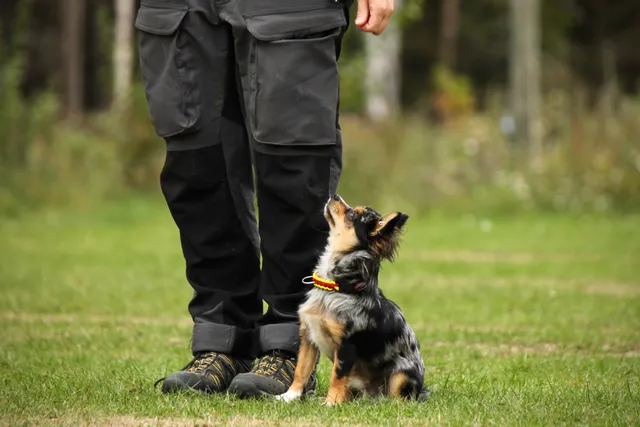
Brief and often is the key to training sessions with your Cavalier. If you can keep each session to 10 minutes, your Cavalier will be more attentive. By limiting the length of each training session, you will not end up giving your puppy too many treats that they become a meal and ruin their appetite!
When a dog learns, their comprehension can be highly situation-specific. Just because your furry friend has learned to sit on command in the garden this morning, that doesn’t necessarily mean that in the afternoon, they will repeat the same behavior in the kitchen. By breaking the training into small chunks, you can repeat the same short lesson under different conditions and scenarios.

6. Do Progressive Training
Your dog is more likely to learn a complex skill or behavior if you can break it down into its parts and then teach each step in a sequence. This is especially true if you are trying to modify your Cavalier’s behavior to eliminate unwanted habits.
So, if you want to train your dog to “come,” start by praising and rewarding them when they take one step toward you. Your pup will soon get the hang of it.
7. Have Fun
We all learn best when we are enjoying ourselves, so try to make the training fun. With such a charming companion to work with, it shouldn’t be difficult. Don’t get caught up focusing on the end goal of the training. Instead, focus on the process and incorporate plenty of play and fun into your training sessions.
Keep the atmosphere light and positive. If you or your King Charles are tired, take a break, clear your mind, give them space, and return to the training later.

8. Consult a Dog Trainer
If you aren’t making progress or struggling to teach your Cavalier King Charles how to behave, consult a professional dog trainer or take classes to get expert help and personalized feedback on training your dog. Whatever problem you are experiencing, a trainer will likely notice the fine details you cannot see and know how to help you.
When looking for a trainer or a class, try to find one with a good reputation and positive reviews. It’s vital for you and your furry companion that you have a good experience.
9. Potty Train a Cavalier King Charles Spaniel
To potty train a King Charles Spaniel, like any dog, it is best to start when they are a puppy. The key to potty training your King Charles is to establish a routine so they know when they should eat, sleep, or pee. To establish how often you should plan for your puppy to pee, you must know how long a puppy can contain their bladder. Generally, before 2 months old, a puppy probably can only hold their pee for about an hour, but by 2 months, they should be able to go 2–3 hours between bathroom breaks.
Assuming you want your King Charles to do their business outside, you should take them out every 2 hours and then immediately after go, reward them with a treat. After that, take them for a short walk. Set a routine with regular times, but gradually extend the times between potty breaks.
Remember that when your King Charles puppy eats, they usually need to go out within 15 minutes. Add in regular morning and evening walks. Before long, your Cavalier puppy will learn your routine and know what is expected of them.


Conclusion
Cavalier King Charles Spaniels are intelligent, good-natured dogs that take well to training and respond to positive reinforcement techniques. Desensitization and good socialization are the foundational skills to prepare your puppy for learning the core behaviors of a well-behaved and well-trained dog. Before training, you should know the behaviors and skills you want to teach. Make a step-by-step plan to achieve each goal and reinforce each milestone. Your young Cavalier learns best when their training is fun, brief, and repeated often.
If you need help training your pup, you can always hire a professional trainer or take a class. It’s worth the time, effort, and patience involved because a well-trained Cavalier is a wonderful companion that will bring you a lifetime of joy.
Sources
Featured Image Credit: Best dog photo, Shutterstock
Expert dog care, straight to your inbox
News, insights, expert advice, and everything dog.

No spam — unsubscribe anytime.
By signing up, you agree to our Terms & Conditions and Privacy & Cookies Policy.
How useful was this post?
Click a star to rate. You can leave written feedback afterwards. (We read all feedback.)
Nicole has loved animals of all sizes her whole life so it's no wonder she has dedicated her career to helping them through what she loves best: learning, writing, and sharing knowledge with others. She’s the proud mom of two dogs, a cat, and a human. With a degree in Education and 15+ years of writing experience, Nicole wants to help pet parents and pets around the planet to live happy, safe, and healthy lives.