Why Is My Dog Scared of Water? 9 Vet-Reviewed Techniques to Help


In this article
Having a dog that’s fearful of water can be stressful and frustrating, especially since it can make it difficult to do simple tasks like giving your dog a bath or taking them out for a hike around a lake. There are a few reasons for a dog to be fearful of water, but the good news for you is that there are also multiple techniques that can help desensitize your dog to water, making them less fearful. In some cases, your dog may even learn to love water with the right support.

Why Is My Dog Scared of Water?
It's important to understand that there may be different kinds of fear when it comes to water. Some dogs love swimming in the sea or lakes but hate baths; others love baths but are not inclined to go in a lake unless it’s just knee-deep. It’s essential to understand what your dog is afraid of and why and to train them from an early age by exposing them to various stress-free and stimulating environments, such as a bath using treats or a licky mat, or even a gentle walk around a lake where they can explore at their own pace. They should not be forced into anything, though.
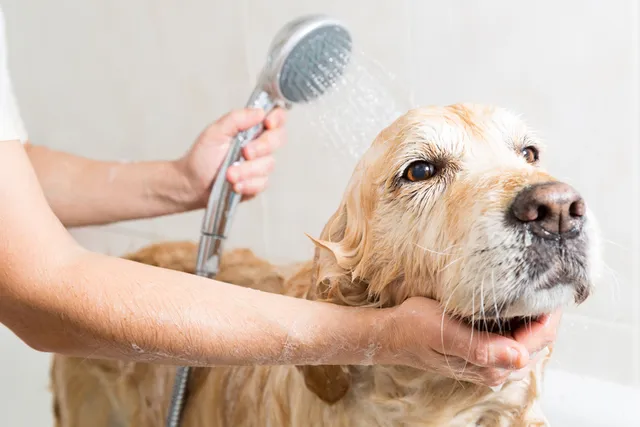
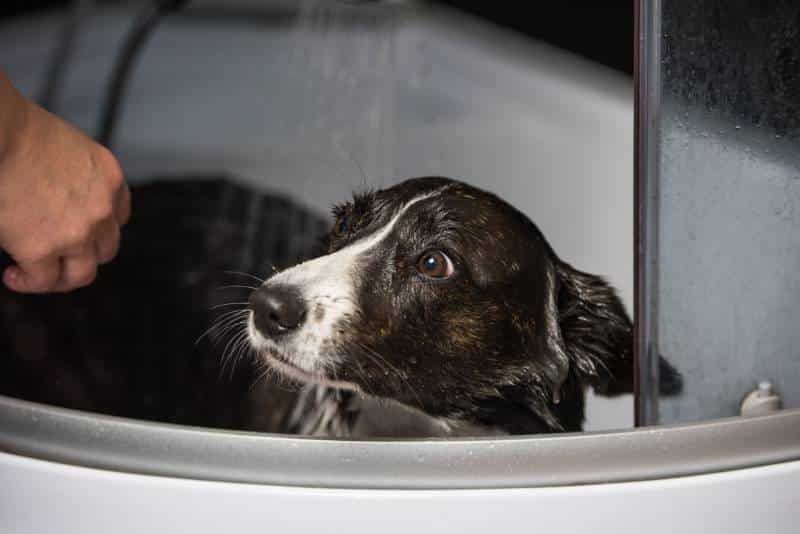
The fear of taking a bath is usually caused by many factors, not just getting wet. This may include being picked up and placed in the bathtub, which some dogs dislike, having their paws and legs lifted and moved around, or other body parts touched that they dislike. The noise of the shower and the unfamiliarity of the whole experience could also be factors. If you are stressed or have shouted at your dog while washing them, they had an uncomfortable or painful skin issue that required a bath, you rushed to get it done as quickly as possible, or held and picked them up roughly, this may have worsened their fear and anxiety associated with the bathroom and bath time.

This may not mean your dog is necessarily scared of water, but they are most likely just scared of the bathing experience, as it’s not something they would voluntarily do. Running through puddles and going in a lake is something they can do of their own free will as a way to have fun, and it is nothing like being forced to have a bath.
It’s not important that every dog loves to go swimming or enjoys a bath. However, it’s useful that you try to work toward desensitizing your dog to water to reduce their fear. Baths, medicated shampoo washes, and even using a water treadmill are all possible reasons that your dog may require exposure to water in their lifetime.
The 9 Tips to Help Your Dog Become Less Afraid of Water
The first four tips we provide will help you get your dog used to having a bath, while the last five are meant for dogs who are reluctant to swim in lakes or the sea. However, if your dog is not keen on swimming, do not force them in the water, as it’s likely to have the opposite effect. Respect their wishes and allow them to take steps at their own pace, all while using positive reinforcement.
The 4 Tips for Getting Your Dog Used to the Bathtub
1. Get Them Comfortable With the Bathroom
If giving your dog a bath is a challenge because of the various factors we discussed, start by simply getting them comfortable with being in the bathroom sans water. Start by rewarding your dog and showing them that being in the bathroom can be safe and comfortable. Avoid running the bathtub, shower, or sink.
You may take time to do this every day during the initial process of desensitization for your dog. In some cases, you may even let your dog simply rest in the bathroom with you while you get ready for work in the morning or prepare for bed.
Use treats while your dog is in the bathroom so they learn this is a safe place and that being there gets them a tasty reward. Praise them and stay calm and positive during the whole experience. Take it slow, and don’t force your dog into anything they don’t enjoy. Don’t lock them up in the bathroom, but stay with them and leave the door open so they can choose how long they want to stay there.
2. Slowly Introduce Water to the Bathtub
Once your dog has shown a great deal of comfort with being in the bathroom, you can slowly introduce the sounds of water to the room. Running the sink, bathtub, or shower at a low level is a good starting point. Over time, you can increase the water strength, increase the water noise, or begin allowing water to collect in the sink or tub where your dog can see and sniff at it if they choose to.
Continue to reward your dog during this process with praise and treats, or even offer them a licky mat they can enjoy for several minutes. Over time, you should be able to get them comfortable simply being in the room with the water.

3. Start Small
You can’t expect your dog to immediately be comfortable with being in the bathtub, even after doing the first two suggestions to begin the desensitization process. You may need to start by placing your dog in the bathtub while it’s dry and giving them treats. Get them used to sitting there calmly, give them a chew or a licky mat, and repeat this until they are completely relaxed and not trying to escape. This step may take weeks or longer.
Afterward, do everything in the same manner for the first few minutes, but then turn the water on while the dog is in the bathtub. Do not wet them directly; just get them used to the noise and the feel of running water. Fill the bottom of the tub with an inch or less of water, with your dog standing in it, and reward them as you go. They may only tolerate this for a few seconds.
A lick mat with peanut butter or plain yogurt can be used to keep your dog distracted while they get used to the sensation of standing in the water. Over time, you can slowly introduce more water to your dog. Eventually, you should even be able to pour small amounts of water on your dog, increasing the amount over time.
4. Pet Your Dog With a Damp Washcloth
One of the easiest ways to get your dog used to the sensation of being washed in the bathtub is to pet them with a damp washcloth, especially if they are particularly resentful of having running water come in contact with their coat. During warm weather, this can actually be a very soothing activity to help them cool down. You can also do this in the tub multiple times while the shower is running so they get used to the noise before you start wetting them directly.
Start by using a washcloth that is barely dampened by room-temperature water. Over time, you can increase the wetness of the washcloth, eventually using a soaked washcloth to pat your dog. Afterward, slowly start using the showerhead to get your dog’s body wet, avoiding their head, eyes, and ears. If you go slowly and are gentle and reassuring during the process while using positive reinforcement with praise and treats, hopefully, you can give your dog a stress-free bath.

The 5 Tips for Getting Your Dog Interested in Swimming
1. Let Your Dog Sniff at Puddles
One of the easiest ways to get your dog used to the sensation of water is to pet them with a damp washcloth. During warm weather, this can actually be a very soothing activity to help them cool down.
Start by using a washcloth that is barely dampened by room-temperature water. Over time, you can increase the wetness of the washcloth, eventually using a soaked washcloth to pat your dog. Avoid this technique when the weather is cold, though, since this unpleasant sensation may make your dog more avoidant of water.
2. Go for Walks Near Water
For some dogs, simply being in the presence of water in an environment that feels safe and fun can help them develop a natural curiosity for it. Let them explore and walk in if they want, and you can also throw rocks and sticks in the water to get them interested. Either way, make it a fun and chill experience without forcing them to go in if they don’t want to.
Initially, you should let your dog set the pace when it comes to how close they get to the water and how quickly. Over time, you will get a good idea of how comfortable your dog is becoming. Continue to provide them with plenty of positive encouragement when they decide to get near the water.

3. Show Them It’s Fun
For some dogs, seeing someone they trust in the water can help them feel safer and make them less fearful or insecure. This can involve your dog seeing you go for a swim. It may also help your dog feel safer if they see their canine friends in the water having fun.
Initially, you should let your dog set the pace when it comes to how close they get to the water and how quickly. Over time, you will get a good idea of how comfortable your dog is becoming. Continue to provide them with plenty of positive encouragement when they decide to get near the water.
4. Make Them Feel Safe
Whenever your dog comes into contact with water, make sure you do everything you can to make them feel safe. Simply tossing your dog into a body of water and expecting them to swim, for example, is a good way to make your dog feel even more fearful of water.
Providing them with water-related experiences that they can control and you can encourage them through is the best way to show your dog that they’re safe and that you aren’t going to let anything happen to them or force them into something they’re scared of. When it comes to swimming, especially in deep water, always provide your dog with a dog-safe life vest.

5. Positive Reinforcement
The number one way to help your dog feel less fearful of water is to provide them with tons of positive reinforcement every time they’re around water. Positive reinforcement is a proven technique that can decrease anxiety and increase feelings of safety and trust in dogs. If you punish your dog or respond negatively when they react in a way other than what you want, then you may increase fear, anxiety, and stress, making their aversion to water worsen.

Conclusion
It will take time and gentle handling to help your dog become less fearful of water in terms of either having a bath or swimming. Some dogs may always stay somewhat insecure and refuse to go swimming but enjoy threading through the shallow waters, and that’s fine.
The important part of this process is to get your dog to a point where they feel safe and comfortable and, most importantly, have fun. Getting them used to having a bath is definitely more beneficial from the owner’s perspective than the dog’s, as they will certainly need one throughout their life, so follow our steps gradually using positive reinforcement to get your pooch to feel relaxed and safe whenever they need one.
Related Read: Hydrophobia in Dogs
Sources
Featured Image Credit: Welshea, Shutterstock
Expert dog care, straight to your inbox
News, insights, expert advice, and everything dog.

No spam — unsubscribe anytime.
By signing up, you agree to our Terms & Conditions and Privacy & Cookies Policy.
How useful was this post?
Click a star to rate. You can leave written feedback afterwards. (We read all feedback.)
Brooke Billingsley spent 9 years as a veterinary assistant before becoming a nurse in 2013. She lives in Arkansas with her boyfriend, and loves all animals; currently sharing a home with three dogs, two cats, five fish, and two snails. She has a soft spot for special needs animals and has a three-legged senior dog and an internet famous cat with acromegaly and cerebellar hypoplasia. Fish keeping has become a hobby of Brooke’s and she is continually learning how to give her aquarium pets the best life possible. Brooke enjoys gardening and keeps a vegetable garden during the summer months. She stays active with yoga and obtained her 200-hour yoga teacher certification in 2020. She hosts a podcast focusing on folklore and myth and loves spending her free time researching and writing. Brooke believes that every day is an opportunity for learning and growth and she spends time daily working toward new skills and knowledge.