How to Get My Dog to Chew Their Food: 5 Vet-Reviewed Tips


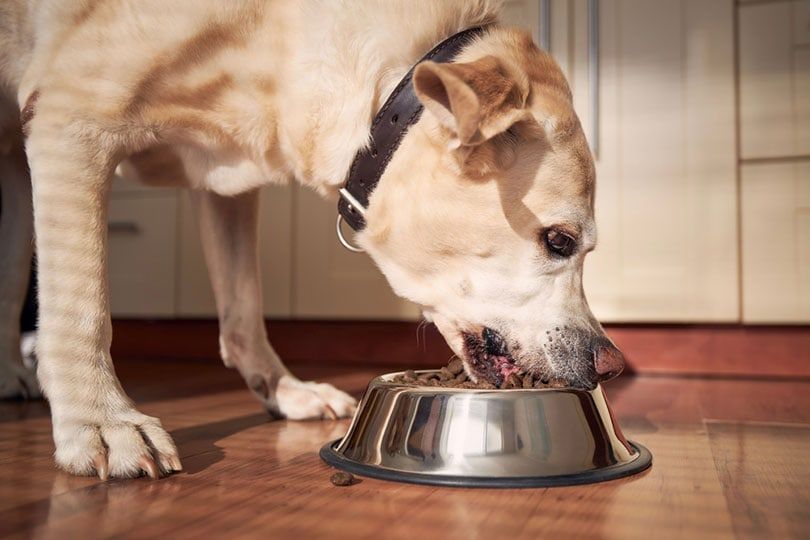
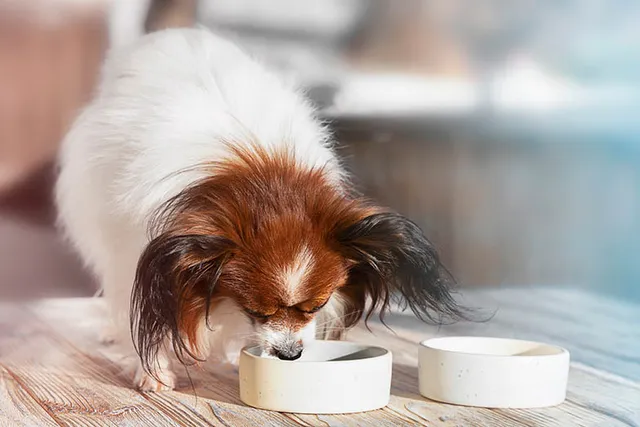
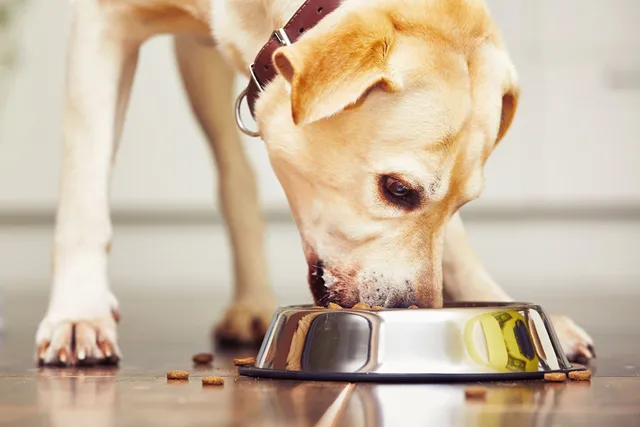
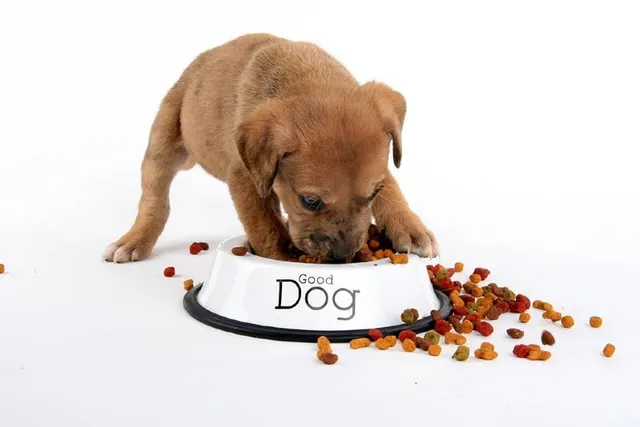
Some dogs are simply fast eaters, and sometimes, they want to eat their food so quickly that they forget to chew! Instead, they basically inhale their food. While this doesn’t always cause problems, it can lead to some unsightly consequences. For instance, dogs that don’t chew their food may develop gastrointestinal problems. Some even throw up shortly afterward.
Whether this is a new or old behavior, there are many things you can do to encourage your dog to chew. Here are some simple tips to consider.

The 5 Tips to Get Your Dog to Chew Their Food
1. Time for a Vet Visit
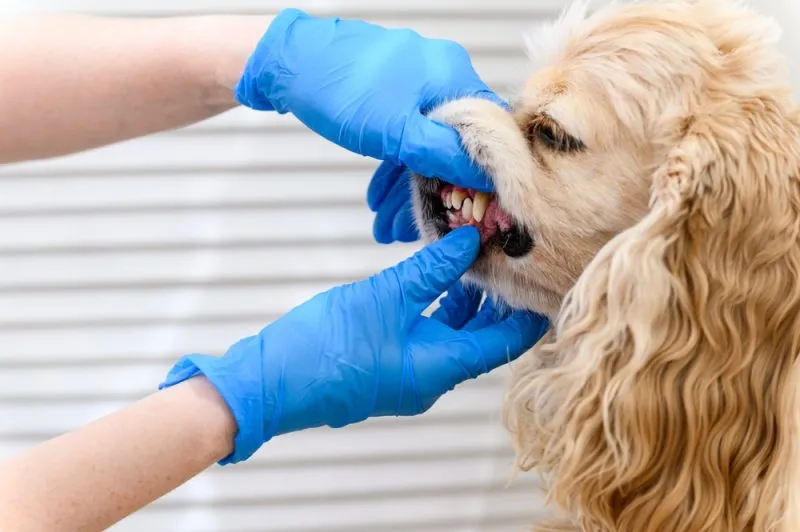
One common reason dogs may not chew is because of dental problems. However, dental problems aren’t always obvious. Dental problems can hide in the back of our dog’s mouths or underneath the gums, making them difficult to spot. You may need to visit the vet to ensure your dog isn’t experiencing pain when chewing.
If the behavior is more recent, the odds of it being an injury increase. If your dog used to chew their food and suddenly stopped, it likely isn’t just a part of your dog’s personality. For this reason, we highly recommend taking the time to visit the vet first. Ruling out a potential medical problem is vital before you continue.
2. Use a Slow Feeder
If your dog isn’t chewing because they are consuming their food too quickly, a slow feeder is an easy fix. These feeders usually have ridges and indents that make it a bit more difficult for your dog to eat. This added level of difficulty slows your dog down and may encourage chewing.
There are many commercial slow feeders out there. You can find commercial options online and at many pet stores. Because there are so many different kinds, be prepared to try a few options to find the one that works for your pet.
When choosing a slow feeder, you should keep your dog’s size in mind. If they are larger, they will need bigger holes to fit their nose into. However, smaller dogs probably need a smaller slow feeder to challenge them.
3. Remove Competition
Dogs may try to scarf down their food when in the presence of other dogs. Often, dogs are afraid that others will steal their food, so they try to eat it as quickly as possible. This behavior sometimes occurs around people, as well.
Therefore, on top of a slow feeder and a vet trip, try changing where your dog eats. You may want to put them in a separate room and close the door to make them feel more secure. Alternatively, you can feed them in their crate, where they should hopefully feel safer.
4. Switch Food
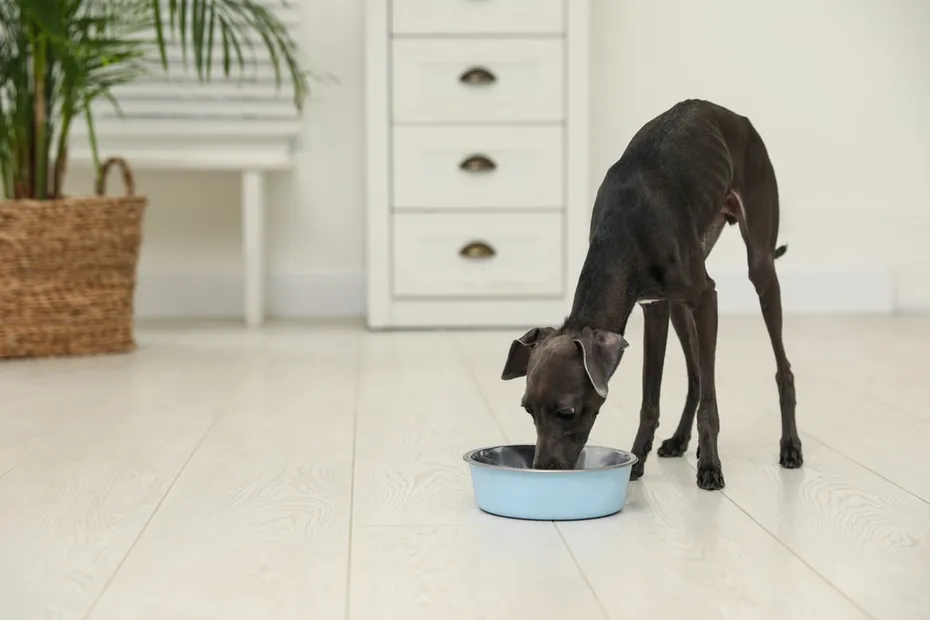
Some dogs will simply swallow food if given the chance. It’s part of their personality. Sometimes, this behavior comes from past experiences of not having enough food while living on the street or in a rescue.
In these cases, you can avoid many of the problems that come from swallowing food whole by switching to wet food. Alternatively, you can find food made with larger kibble pieces. With larger pieces, your dog must chew instead of swallowing them whole. However, this method doesn’t work for every dog and can lead to choking.
5. Consider Their Nutrition
Some dogs may simply be extra hungry, which makes them scarf down their food as quickly as possible. For this reason, you may need to adjust the amount of food they eat. Of course, if your dog is in good body condition, this likely isn’t the case. If your dog wasn’t eating enough, then they would likely be skinny.
To find out if you need to increase your dog’s food, speak to a veterinarian. The vet can weigh your dog to determine if they are currently at the right weight or need some help gaining weight. Usually, once the food problem is solved, your dog will slow down their eating speed and start chewing.
Occasionally, underlying health problems may also cause excessive hunger. These health issues mess with your dog’s ability to absorb nutrients. Therefore, while your dog is eating, their brain keeps telling them that they aren’t getting enough. The vet can help rule out these health problems, too.
We also recommend checking your dog’s food for nutritional completeness. If your dog is eating a lower-quality food, consider switching to a higher-quality option. While cheaper dog food technically meets nutritional guidelines, it may contain less digestible ingredients, which can leave your dog feeling hungry sooner after eating.
Why Is My Dog Not Chewing Their Food?
Typically, dogs don’t chew their food because they are trying to eat as quickly as possible.
Often, this behavior is caused by a variety of different factors, including:
Some dogs do simply eat faster than normal. These dogs often need extra help to slow down, since their fast-eating speed is more of a personality trait than a problem.
Alternatively, dogs may stop chewing their food for other reasons. For instance, some dogs will stop chewing when they develop certain dental problems. Chewing may simply hurt too much. Therefore, you may want to take your dog to the vet if they suddenly stop chewing. Often, dental problems are to blame.
Do Dogs Need to Chew Their Food?
The enzymes in saliva help with digesting food in humans, but dogs lack amylase to start breaking down food. Therefore, they technically don’t need to chew as much as we do. That said, dogs ideally should not swallow their food whole. While some dogs get away with this without any underlying problems, others develop gastrointestinal issues. Because the food is in larger pieces, it is more difficult for them to digest and absorb.

Conclusion
Dogs don’t necessarily need to chew foods as much as we do, but chewing properly does help them start to break down their food. Many dogs swallow their food whole because they’re trying to eat quickly. Often, this is caused by stress and anxiety that someone is going to take their food away. Medical problems like dental pain can also cause dogs to eat without chewing. Luckily, behavioral and medical problems can be fixed easily if the right steps are taken to rule out the various potential causes.
Sources
Featured Image Credit: Jaromir Chalabala, Shutterstock
Expert dog care, straight to your inbox
News, insights, expert advice, and everything dog.

No spam — unsubscribe anytime.
By signing up, you agree to our Terms & Conditions and Privacy & Cookies Policy.
How useful was this post?
Click a star to rate. You can leave written feedback afterwards. (We read all feedback.)
Kristin loves to help pet parents create a fulfilling life for their pets by informing them on the latest scientific discoveries and helping them choose the best products for their pets. She currently resides in Tennessee with three cats, four dogs, two fish, and a lizard, though she has dreams of owning chickens one day!