Brewer’s Yeast for Dogs: Vet-Reviewed Benefits, Uses & Side Effects



In this article
Brewer’s yeast is one of the most popular natural supplements for dogs on the market today, as proponents swear that it does a world of good for your pooch in a variety of ways.
If you’re just now learning about this natural health boost for your dog, then it’s worth educating yourself on all the ways to use it, as well as its potential risks and benefits.
Fortunately, we assembled all that information for you, and all you have to do is read on.

What Is Brewer’s Yeast?
Saccharomyces cerevisiae, more commonly known as brewer’s yeast, has been a vital part of the fermenting of breads, baked goods, and beer for centuries. More recently, its high levels of protein and B vitamins have resulted in its inclusion in the foods of livestock and, eventually, pet food.
With cost efficiency and production as a major focus of the farming industry, there has been more extensive research carried out with regards to other potential effects of brewer’s yeast on livestock, but only limited studies on pets. Many of the purported health benefits of adding brewer’s yeast to your dog’s food have been extrapolated from this data, but we are a long way off from being able to declare with any certainty that our dogs will reap the same benefits seen in cattle, for example.
In addition to being a nutrient-rich supplement, brewer’s yeast has been found to have the following benefits for livestock health:
- Improved gut microbiome - the inclusion of brewer’s yeast has been found to optimize the balance of gut flora, resulting in improved digestion.
- Enhanced immune function - by altering the availability of certain fatty acids and glucose, brewer’s yeast can help fuel a stronger immune system.
- Improved nutrient absorption - by increasing the permeability of the small intestinal lining, brewer’s yeast enhances nutrient absorption.
- Protection against pathogens - interestingly, Saccharomyces cerevisiae has been shown to bind to certain toxins and bacteria, effectively blocking them from infecting the host.
- Antioxidant effects - this is more likely as a byproduct of its other effects on metabolism and bodily functions, but animals fed brewer’s yeast have been found to be more resilient against the damaging effects of oxidative stress.
Brewer’s yeast has also been shown to provide several benefits for humans, including:
- Skin health - applied topically and in food, compounds containing Saccharomyces cerevisiae have been shown to improve wound healing. More recently, its effectiveness against immune-mediated conditions like atopic dermatitis and psoriasis has been explored.
- Improved mood - there are even studies looking into how brewer’s yeast may be able to improve mood and reduce anxiety and depression, though these are very much in their early days.
Brewer’s Yeast Benefits for Dogs
With such an array of potential health benefits in livestock, it certainly makes sense to hope that our pets can experience similar effects, which is what many supplement producers would very much like us to believe. But can we assume that our dogs will enjoy the same benefits as cattle?
The big factor to consider here is the significant differences between the digestive systems of most livestock versus canines. Species like cattle and sheep are ruminant herbivores, meaning they rely on an almost constant supply of food that is digested and re-digested in multiple forestomachs before passing through a final true stomach, and then some very long intestines. The fibrous quality of plants requires fermentation to break down and be digested, which is why cattle benefit greatly from the addition of brewer’s yeast; it directly enhances their specific type of digestion, which in turn improves their overall health.
What about dogs? While the digestive system of our domestic pets has evolved somewhat from their obligate carnivore ancestry into one that more readily digests non-meat ingredients, it is far from being the fermentation factory of a cow.
Promising research has indicated that, similar to the effect seen in livestock, the inclusion of concentrated brewer’s yeast in canine diets may increase gut permeability, increasing nutrient absorption from the small intestine. There are also indications that it may provide some anti-inflammatory effects, but dogs may not experience the same antioxidant or gut flora benefits.
Should I Give Brewer’s Yeast to My Dog?
The good news is that, with the exception of individuals who are hypersensitive to Saccharomyces cerevisiae or may develop a stomach upset, the research available has not given any indication that brewer’s yeast has any other significant harmful effects on dogs. However, at this time, we don’t have any firm evidence to back up many of the claims made by supporters and producers of brewers’ yeast products for dogs. If you want to try giving brewer’s yeast to your dog, it would be best to first consult with your veterinarian, particularly if they are suffering from a health issue or taking certain medications.
If brewer’s yeast can provide our dogs with just some of the benefits that have been found in livestock, arguably, there’s no harm in giving it a try if your vet has given you a green light. After all, you could be seeing improvements in:
Skin Health and Coat Quality
Brewer’s yeast is full of B vitamins—specifically, B1, B2, B3, B5, B6, B7, and B9. These nutrients are essential for maintaining the integrity of the skin barrier function. If your dog doesn’t get enough of them, they can develop dry, flaky skin, as well as alopecia, anorexia, and pruritus.
Build Lean Muscle Mass
Protein makes up 52% of the mass of brewer’s yeast, making it a great way to help your dog build lean muscle. The protein should also help your dog feel full for longer, which can help with weight loss.
Improved Immune Function
Several studies on different levels of the canine immune system have suggested that brewer’s yeast may have a positive impact on immune function in response to infection, vaccine response, and reducing immune-mediated conditions such as inflammatory bowel disease.

Liver Function
Scientists are beginning to experiment with using B vitamins to improve liver health and manage disease. Brewer’s yeast is full of B vitamins, so it may be able to help with reducing cell damage from free radicals, restoring nutrient depletion, and improving vitamin absorption.
Anxiety Reduction
B vitamins are essential for the creation of serotonin, which is a “feel-good” neurochemical that can make your dog happier and less anxious. Be aware, though, that brewer’s yeast can interact with certain anti-anxiety medications, so if you’re already treating your dog for this condition, you’ll want to consult your vet before giving brewer’s yeast to your pup.

Improve Digestion
Although current research doesn’t indicate that brewer’s yeast has the same positive effects on the gut microbiome as seen in livestock, there are promising results in the effect on gut permeability, which means better absorption of nutrients.
Improved Palatability
Another reason that brewer’s yeast is often included in dog food is that it has been found to improve palatability. It is believed that dogs somehow find the amino acids found in the yeast quite tasty! Interestingly, the opposite seems to be true for cats.


What About Parasite Protection?
One of the biggest myths surrounding brewer’s yeast is that it can help repel fleas and ticks. Unfortunately, there is absolutely no evidence for this. Not to fear, there are plenty of reliable flea and tick products available to keep your dog safe, as well as some natural methods to help keep them out of your home.
How Do I Give My Dog Brewer’s Yeast?
Now that we’ve seen all the benefits that brewer’s yeast can have for your dog, how do you get your dog to take it? You have a few options.
Check the Food Label
When was the last time you had a close look at the ingredients list on your dog’s food? You might be surprised to find that yeast is already included.
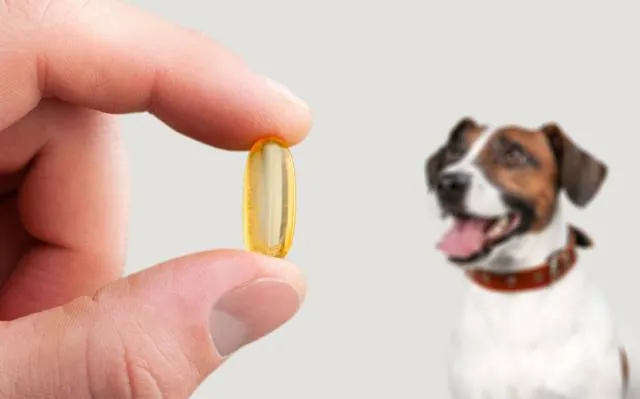
Powders, Pills, or Treats
A quick search for brewer’s yeast for dogs will show you just how many options there are to give your dog a boost, so if your dog isn’t a fan of one type, you can always try another and consult with your vet.
As there are many available products out there containing brewer’s yeast, and most are not regulated by the FDA, it’s best to do your research and get the help of your vet when choosing an appropriate product for your dog. They will also instruct you on the correct dosage for your pooch. It’s always best to start with very small amounts when introducing a supplement like this, to see how the dog responds to it and whether they will experience any side effects.

Side Effects of Brewer’s Yeast on Dogs
While brewer’s yeast has quite a list of potential benefits for dogs, that doesn’t mean it’s without its drawbacks. Let’s take a look at the potential side effects that you can see with this supplement.
Upset Stomach
Whenever you introduce something new into your dog’s diet, there is always a risk that they may have an adverse reaction. Because brewer’s yeast is known to affect digestion – usually in a positive way – it may also have some undesirable effects. The best way to avoid this is by starting with a very low amount and gradually increasing over a few weeks.
Allergic Reaction
Most dog food allergies are a response to the protein, and we know that brewer’s yeast is very protein-dense. By following the advice above, you will be able to watch out for any signs of acute allergic reactions, as well as monitor them for any signs of skin reaction like hives, rash, or pruritus (itchy skin).
Weight Gain
Brewer’s yeast is a calorie-dense food, so if you start giving it to your dog regularly, you’ll need to cut out calories elsewhere if you don’t want them to gain weight. You can also try to increase their activity level to counteract their increased caloric intake.
Interference with Medications
If your dog is on any prescription medications, you should consult your vet before you start giving brewer’s yeast to your pup. It’s been known to interact poorly with certain medications, most notably anti-anxiety meds or those used to treat diabetes.
Bloat
Bloat is a serious, potentially fatal disease that’s caused when your dog’s stomach fills with gas, food, or liquid and then twists itself. As brewer’s yeast is known to enhance the fermentation process in ruminant livestock, there has been concern that it could increase gas buildup in the canine stomach as well. Although there is some suggestion that the addition of yeast may result in some increased gas formation, it is unlikely (though not impossible) that your dog could develop bloat from ingesting it, especially if they eat too much.
Deep-chested breeds like Great Danes or Mastiffs are more prone to bloat than others, but any dog can be afflicted. To reduce the risk of bloat, consult with your vet first and start with very small amounts of yeast and build up gradually once you’re sure your dog can tolerate it well.
Don’t Dogs Get Yeast Infections?
Indeed, they can! There is a particular type of yeast, Malassezia pachydermatis, which inhabits the skin of most dogs. Under certain conditions – infection, inflammation, allergy, humidity – these organisms can proliferate, resulting in infection. However, this is a completely separate and unrelated yeast, and one should not affect the other.

Is It Time to Start Giving Brewer’s Yeast to Your Dog?
There are so many improvements, updates, enhancements, and additions to canine nutrition that it can feel overwhelming. How do you know which food or supplement is right for your dog?
The best thing to do is make a list of the types of benefits you are hoping to gain, speak to your vet and look for the food and supplements that will best meet those needs. When it comes to brewer’s yeast, there is potential for this natural supplement to provide a wide range of health benefits, but it is important to understand that, at this point, most of the studies into such benefits have been based on farming and livestock. However, as interest in this product increases, we will start to see more and more research into its effects on dogs (as well as humans!).
At the very least, brewer’s yeast is a potent source of protein and B vitamins, which we know will benefit our dog’s health. And if it’s not doing harm, but it might help, it’s always worth trying!
Be sure to discuss any new products with your vet, particularly if your dog has a health condition or is on a restricted diet. When starting your dog on brewer’s yeast, introduce it slowly, and do not exceed the amounts recommended on the pack.
Sources
Featured Image Credit: Javier Brosch, Shutterstock
Expert dog care, straight to your inbox
News, insights, expert advice, and everything dog.

No spam — unsubscribe anytime.
By signing up, you agree to our Terms & Conditions and Privacy & Cookies Policy.
How useful was this post?
Click a star to rate. You can leave written feedback afterwards. (We read all feedback.)
Nicole has loved animals of all sizes her whole life so it's no wonder she has dedicated her career to helping them through what she loves best: learning, writing, and sharing knowledge with others. She’s the proud mom of two dogs, a cat, and a human. With a degree in Education and 15+ years of writing experience, Nicole wants to help pet parents and pets around the planet to live happy, safe, and healthy lives.