What Kinds of Bones Can Dogs Eat? 3 Vet-Approved Options


In this article
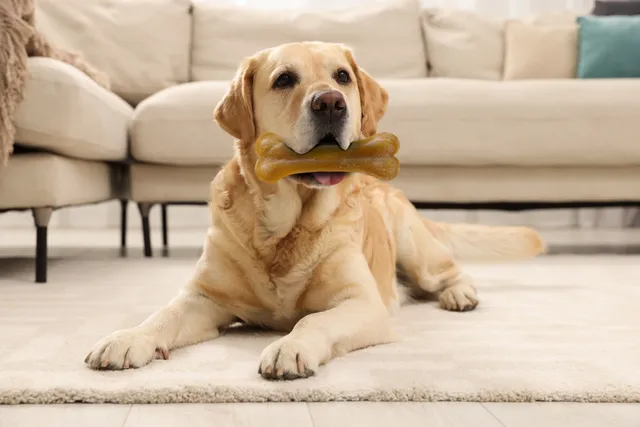
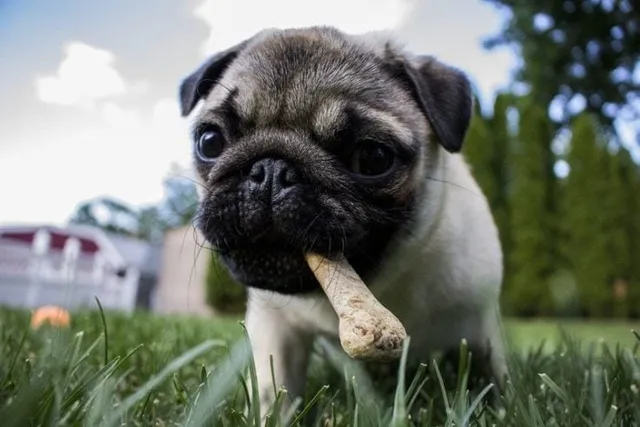
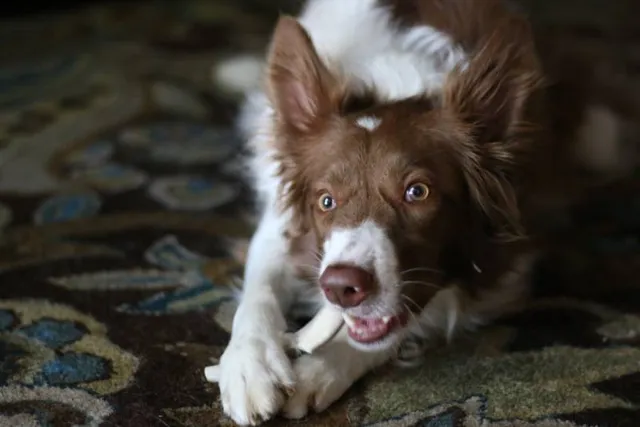
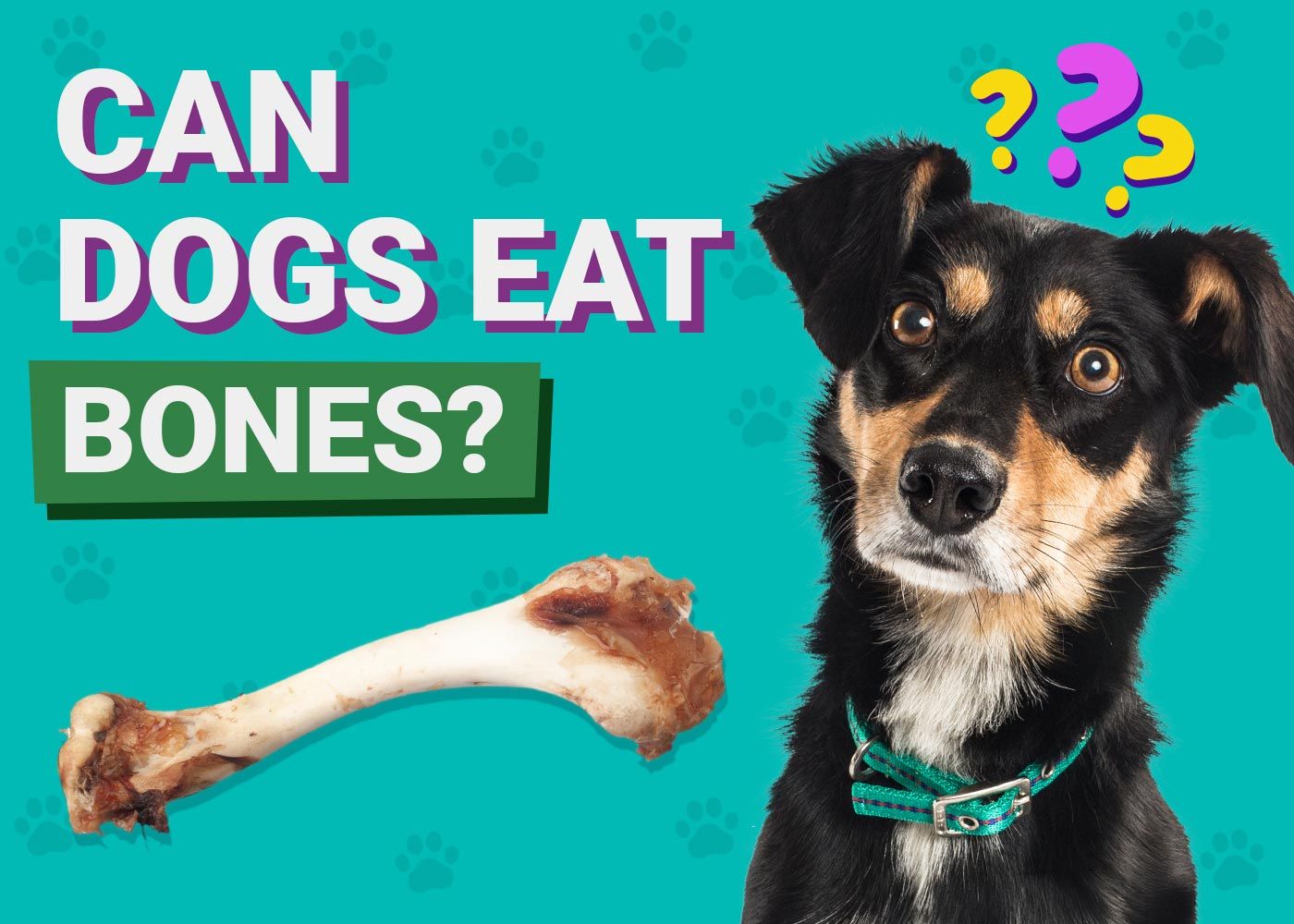
It’s no secret that many dogs love to chew on bones. They’re tasty to dogs, and their texture can help clean your dog’s teeth and maintain their oral health. However, that doesn’t necessarily mean that bones are safe for your dog. Even with the safest bone options, there are some safety concerns, so it’s important to weigh the pros and cons before giving your dog any type of bone.
This list is what many veterinarians would consider to be the only potentially safe bone options for your dog.

The 3 Safest Bone Options for Dogs
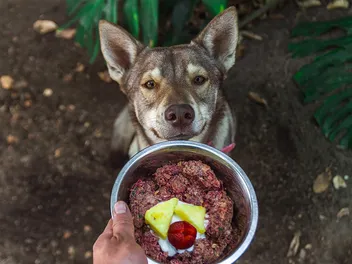
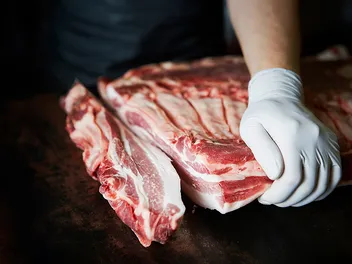
1. Raw, Meaty Bones

When it comes to bones, almost all vets will tell you that cooked animal bones are a big no-no. Cooked bones are more likely to splinter and shatter, while raw bones tend to be more pliable. This means that raw bones tend to break off into softer pieces with edges that are less sharp than on broken bits of cooked bones. If your dog eats a raw diet, then you are probably already giving them raw, meaty bones as part of their diet. However, for the average dog, these bones should be given with caution.
Avoid overly fatty bones, like pork ribs, and make sure to handle the bones like you would any type of raw meat. Wash your hands thoroughly after handling, limit the number of surfaces that your dog has the bone on, and refrigerate or freeze the bone between chewing sessions to maintain safety. No matter what, raw bones should be disposed of after about 4 days.
Like any raw meat, they are a breeding ground for bacteria, especially when exposed to warm, moist environments, like a dog’s mouth.
2. Large Bones

There are lots of bones sold in pet stores, but the best option when it comes to getting bones for your dog is to go to a butcher and get fresh bones. There’s no way for you to know how a bone in the pet store was handled or stored before getting to the store, and you won’t know how long it’s been sitting on the shelf either.
A butcher will be able to give you bones that are fresh, and therefore, more likely to be safe. Not only that, but a butcher can help customize appropriate bone sizes for your dog.
Any bone you give to your dog should, ideally, be almost as large as their head. You’d be surprised how easily a dog can gulp down an object that looks too large to be swallowed, and swallowing a whole bone or large pieces poses a choking hazard for your dog, as well as the potential for intestinal obstructions.
If your dog eats a raw diet, talk to your vet for guidance on the appropriate bone size for your dog if they form part of their regular diet.
3. Alternative Bone Options

Synthetic bones and bone alternatives come in all shapes, sizes, and materials, so it’s important to choose options that are safe for your dog. Bully sticks are often recommended by vets because of their digestibility and texture are unlikely to damage teeth or cause obstructions or intestinal damage to your dog.
Rawhide bones are usually not recommended, but rawhides that are labeled as 100% beef or horse hide are considered safe by some vets. Avoid other types of rawhides, as they are created through a multi-step process that exposes them to a variety of artificial flavors and chemical compounds that may not be safe for dogs.
Dental chews are usually synthetic chews, and they are developed specifically to support the health of your dog. These chews are usually designed to be consumed, so they are also digestible. When choosing dental bones, make sure to choose bones that are the correct size for your dog. Also, dental chews may need to be avoided if your dog tends to bite large chunks off of things to swallow whole.

Safety Concerns with Giving Bones to Dogs
While bones can provide your dog with a handful of health benefits, the health risks associated with giving bones to dogs can be far greater. Bones are not digestible, so they usually will pass through your dog’s digestive tract without breaking down. This means that sharp pieces of bone can scrape or puncture areas in your dog’s digestive tract, as well as cause obstructions or make pooping painful or difficult.
When it comes to raw, meaty bones, there are serious safety concerns, as there are with all types of raw foods for dogs. Raw meats have a high risk for bacterial growth, especially when not handled properly. Proper temperature storage, handling, and discarding should all be observed when offering raw bones. Don’t let your dog chew on raw bones on your bed or furniture, since this can increase the risk of food-borne illnesses, like salmonella, spreading to people or animals in your home.
All of these things mentioned above are concerning, but the most common issue associated with bones is damage to your dog’s teeth and mouth. While some bones can support dental health, hard bones pose a risk of breaking your dog’s teeth, as well as causing scratches and punctures within the mouth and tongue. Oftentimes, it’s recommended to avoid hard bones, like femur bones.
The shape and size of bones given to your dog matter as well. Bones that are too small pose a choking hazard to your pup. Another issue that happens to many dogs is that round bones can become wrapped around the lower jaw. This means that bones with a large, hollow center pose a major risk to your dog’s jaw and teeth. It’s not uncommon for these bones to need to be removed by a veterinarian, sometimes under sedation or anesthesia, when they become stuck around the jaw.
It is vital that you supervise your dog when they are gnawing on any bone or dental chew, to prevent any disasters from occurring.

What About Fish Bones?
You may have noticed that fish bones weren’t listed as one of the safe bone options to give to your dog. Many people give their dogs treats like sardines or anchovies, which usually contain very small bones. In small fish, the bones are usually not removed, even when prepared for humans.
Unfortunately, fish bones are considered extremely unsafe for dogs. Their small size leads many people to believe they are safe. Fish bones are extremely small, but also extremely sharp and brittle. They pose a risk of damaging or becoming lodged in the intestinal tract or throat.
Many people give small fish to their dogs without issue, and they are often anecdotally considered safe, but most vets will recommend that you avoid fish bones because of the potential risks.

Conclusion
Giving any type of bone to your dog is something that should be discussed with your veterinarian beforehand, especially if your dog has existing or previous health conditions, like pancreatitis and dental disease. Bones are never considered to be safe across the board, and some vets will discourage you from giving bones to your dog, no matter what.
If you are going to give bones to your dog, make sure to choose safer bones, and be aware that there is an inherent risk in giving bones to your dog. Familiarize yourself with signs of a problem so you can act quickly if your dog is experiencing an issue related to consuming a bone.
See also:
Sources
Featured Image Credit: Sebastian Quinn, Shutterstock
Expert dog care, straight to your inbox
News, insights, expert advice, and everything dog.

No spam — unsubscribe anytime.
By signing up, you agree to our Terms & Conditions and Privacy & Cookies Policy.
How useful was this post?
Click a star to rate. You can leave written feedback afterwards. (We read all feedback.)
Brooke Billingsley spent 9 years as a veterinary assistant before becoming a nurse in 2013. She lives in Arkansas with her boyfriend, and loves all animals; currently sharing a home with three dogs, two cats, five fish, and two snails. She has a soft spot for special needs animals and has a three-legged senior dog and an internet famous cat with acromegaly and cerebellar hypoplasia. Fish keeping has become a hobby of Brooke’s and she is continually learning how to give her aquarium pets the best life possible. Brooke enjoys gardening and keeps a vegetable garden during the summer months. She stays active with yoga and obtained her 200-hour yoga teacher certification in 2020. She hosts a podcast focusing on folklore and myth and loves spending her free time researching and writing. Brooke believes that every day is an opportunity for learning and growth and she spends time daily working toward new skills and knowledge.