Can Dogs Eat Cornmeal? Vet-Verified Facts



In this article
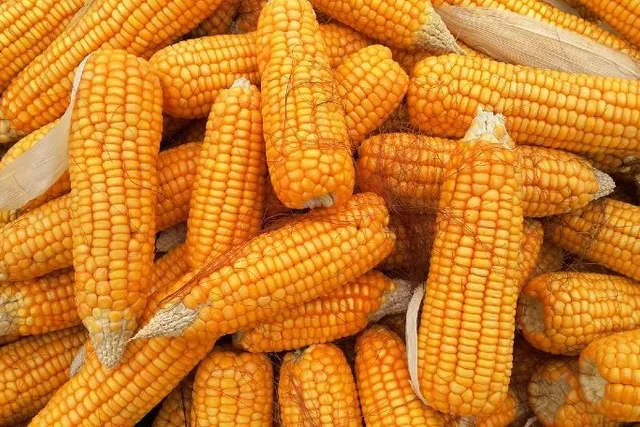
Cornmeal is often used in commercial dog food, so it is reasonable to assume that it’s safe for your dog to eat. And this is true; cornmeal isn’t toxic to dogs, it provides nutrients and energy, and it is something your dog can eat and may have done in the past. However, there are ingredients and foods that will provide your treasured pet with a higher quality source of energy, if you know what to look for.

What Is Cornmeal?
While corn flour and cornmeal are made from milled, dried corn, they aren’t exactly the same—cornmeal is considered a grittier version of corn flour, with corn flour, also known as corn starch, being made up of only the endosperm of the kernel, without the tough outer shell. Many nutrients are lost in the milling process, which is why cornmeal is then enriched with riboflavin, niacin, iron, and thiamin.
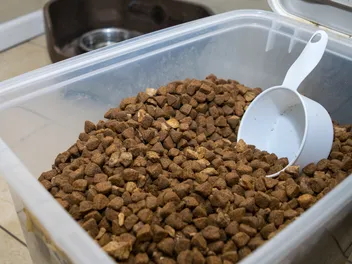
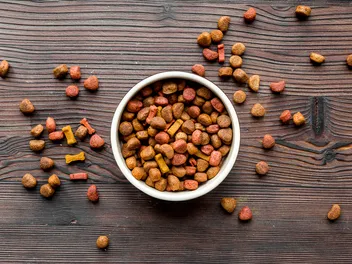
There are many opinions online about whether cornmeal is just a filler, and it’s easy to get lost down the rabbit hole. Cooking cornmeal arguably makes it slightly easier for dogs to digest, and corn and other cereal grains are found in dry dog food because carbohydrates are cheap and make the kibbling process easier.

Risks of Eating Cornmeal
Some argue that as corn isn’t naturally a part of a dog’s diet, it shouldn’t appear in their food. However, other veterinary researchers argue that cornmeal is a good energy source, and corn generally provides your dog with amino acids, proteins, vitamins and minerals, fatty acids, and fiber.
However, many of these nutrients are lost during the milling process, so it is likely that the value of corn meal lies in the volume it adds to dog food, rather than the nutrients it provides. The inclusion of large amounts of carbohydrates in your dog’s diet are likely to lead to weight gain and even behavioral problems.
How to Find the Best Food for Your Dog
Figuring out where to start when sourcing the best dog food for your pet can be challenging. There are so many brands promising you the best quality and price. So, who do you trust, and how do you pick between them all? Let’s break it down into bite-sized considerations:
Your Dog’s Condition
The food you select will depend very much on factors like your dog’s age, size, breed and activity level. Their health, particularly specific nutritional needs, allergies, or medical conditions, will also play a major role. It’s important to note that if you are unsure what the best option is for your dog, you should speak to your vet. They will be able to give you advice best suited to your pet.
AAFCO Requirements
Familiarize yourself with dog food labels and what to look for that indicates a high-quality product. Check that the food meets The Association of American Feed Control Officials (AAFCO) requirements. This is a good starting point; it’s even better if the brand exceeds AAFCO requirements.
Brand and Price
Another factor that influences our choice of dog food is price. It’s no secret that as quality increases, so does the price. Our advice is to select the best quality food you can afford, but that’s not always easy to figure out. A basic rule of thumb is that, the cheaper the food, the more filler there will be.
The fact that cornmeal is used as a “cheap filler” in many dog foods does not necessarily mean that cornmeal is harmful, or that those dog foods are bad for your dog. However, it is true that dog foods that contain higher proportions of filler ingredients are going to have a lower proportion of high quality proteins. This will usually mean that you need to feed your dog a larger amount of that food to meet their nutritional requirements, which will often lead to obesity and larger, smellier, more frequent poops. Many dog food manufacturers don’t use cornmeal in their foods, but because cornmeal is an inexpensive filler, the alternatives raise the price of the food.

Ingredients Lists
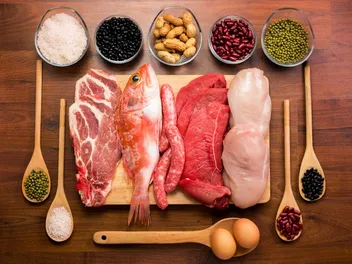
Ingredients should have meat-based food listed first, at least as the first two or three ingredients. High-quality animal byproducts like organ meat and entrails are nutritious, sometimes even more so than muscle meat, and they are excellent additions in dog food.
Avoid preservatives and long lists of fillers like soy, corn, and wheat. Unless your vet has diagnosed your dog with a grain allergy, grains don't need to be avoided entirely, as they are a good source of nutrients. Another difficulty with foods that have a longer list of ingredients is avoiding potential allergens.
Take these two examples:
The first is the ingredient list from a premium dry dog food, chicken and rice flavor. The first ingredient (32% of total) is the protein. It retails at around $58 for a 30-lb bag, and a 40-lb dog would need about 200g per day, which equates to 91c a day.
The second ingredient list is from a well known, budget-friendly dog food. The first ingredient listed (and therefore the highest percentage) is cornmeal. This food retails at around $27 for a 30-lb bag, and a 40-lb dog would need about 260g per day, which equates to 61c a day. Although chicken is listed as the flavor, the ingredient list also includes beef, lamb and bacon.
The second example isn’t a bad dog food, and it will provide the appropriate nutrients your dog needs, but the first one is better. Although you will be spending more money, the nutrients are more readily obtained from this food, and there will be less waste.
In Conclusion
Cornmeal is commonly used in commercial dog food, and is perfectly safe for your dog to consume. Although it provides energy, vitamins and minerals, being high in carbohydrates means that it should not form the majority of your dog’s diet.
If you are ever unsure where to start in regard to choosing dog food for your dog, contact your vet. They can help you narrow down your search and make the whole process much less stressful.
Sources
Featured Photo Credit: New Africa, Shutterstock
Expert dog care, straight to your inbox
News, insights, expert advice, and everything dog.

No spam — unsubscribe anytime.
By signing up, you agree to our Terms & Conditions and Privacy & Cookies Policy.
How useful was this post?
Click a star to rate. You can leave written feedback afterwards. (We read all feedback.)
Kerry-Ann lives in Scotland and wishes her garden was bigger so she could have her very own Highland cow but thinks her dogs probably wouldn’t like that idea very much. She has a La Chon called Harry who was poorly with a liver shunt when he was a puppy. It wasn't likely he would make it into adulthood, which was difficult to comprehend, but he beat the odds and is a healthy old man now. She also has a Pug called Maddie who is a big foodie. She’s small, sassy, and every day she finds a new way to wind her brother up.
When she isn’t writing you can find Kerry-Ann going for long walks when it isn't raining, reading, or watching cartoons when she should be tidying her house. She would one day like to be a tourist in her own country and travel through the Highlands with her family.