How Long Does A Dog Usually Have Diarrhea After Changing Food? Vet-Verified Facts


In this article
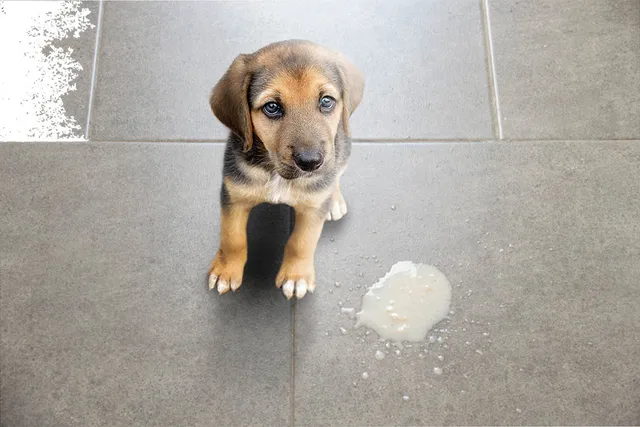
It's alarming to wake up to your dog having diarrhea. A million scenarios can quickly run through your mind, wondering what the cause of their runny stool may be. Are they sick? Have they eaten something they shouldn't have? Do they have intestinal parasites?
If you skipped over the instructions at the back of your dog's new food, you might have missed the information on the possible effects of changing your dog's diet. Thankfully, your dog isn't chronically sick, but the new food may have been a shock to their system resulting in diarrhea. Your dog's diarrhea due to a change in their food shouldn't last long, and your dog is likely to recover in 1–3 days.
There are a few things to note when it comes to changing your dog's diet, such as what to expect, whether diarrhea is normal, how you can prevent diarrhea, and what you can do to make your dog feel most comfortable at home when their GI tract feels unwell.

How Can I Prevent Diarrhea in My Dog When Switching Their Food?
If you've decided to switch your dog's food to something better for their body, a transitional period is necessary to avoid an upset stomach in your dog. A dog's digestive system is different from humans, and they cannot switch between a variety of meals like we can because their bodies need time to adjust to the new ingredients.
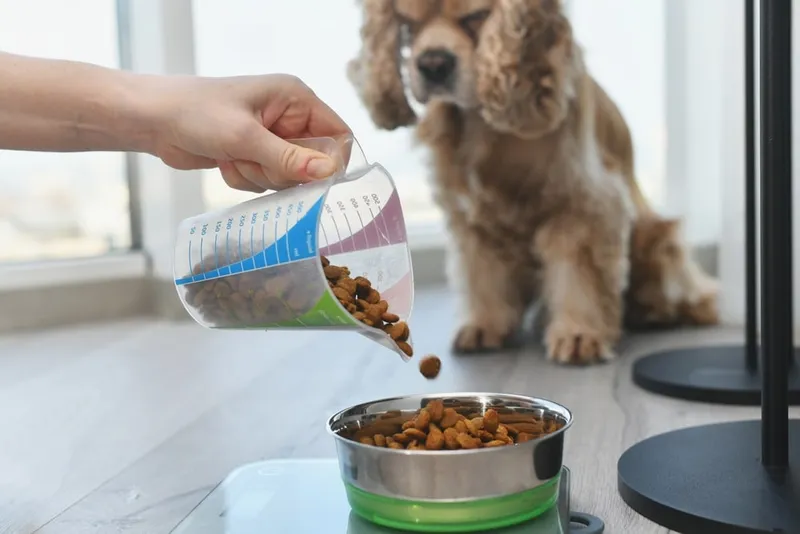
It may be surprising to hear, but you'll want to transition your dog from their old food to their new food over a period of 7 days if you want to prevent diarrhea in your dog. Thankfully this transition is quite simple, as it only involves mixing your dog's old food with their new food, adding gradually more and more of the new food as the days go by.
The AKC recommends that you introduce 25% of your dog's new food and mix it with 75% of their old food on the first and second day of the transition.1 On days 3 and 4, 50% of the new food can be mixed in with 50% of the old food. Increase the new food to 75% on days 5 and 6 and mix it in with 25% of the old food. From day 7, you can offer your dog 100% of the new food to enjoy.
If you find yourself needing to change your dog’s food and know that he or she has food sensitivities and often responds poorly to new foods, extend your transitional period to 2 weeks. Introduce the new food slower, with smaller portions per day.
However, if you have transitioned your dog onto their new food slowly and they still have an upset stomach days later, take them to the vet, as they could be having diarrhea due to an unrelated issue or because their body disagrees with the new food. In this case, you'll have to change their diet once more.
A mistake that many new owners make is when to introduce the new food. Start introducing the new food when their old food starts to run low. However, don't wait until there's barely any left in the packet because then you'll have to go out and buy a new packet of their old food to mix with their new food, and you'll end up wasting money.
Of course, you can start introducing the new food when you have plenty of the old food left and donate the rest of the old food to your local animal shelter.
Is It Normal for Dogs to Have Diarrhea when Switching Food?
It is not uncommon for dogs to have diarrhea after you've changed their food if you've given it to them without a transitional process or if the transitional process wasn't slow enough for their bodies to adjust.
Although your dog probably will not have diarrhea for very long, avoid starting them on a new diet cold turkey. Diarrhea without drinking enough water can result in dehydration. Diarrhea is also uncomfortable for your dog. Sometimes, vomiting can accompany diarrhea with sudden diet changes.
Other signs can be fever, straining to defecate, lethargy, loss of appetite, and blood or mucus in the stool.
It's important to have patience and transition your dog onto their new food slowly, even if you know the new food will be better for them health-wise. Impatience will hurt your dog.
How Can I Help My Dog When They Have Diarrhea?
The first thing NOT to do is give your dog human medication for diarrhea, as depending on the drug and dosage, it may make things worse and be toxic to them.
Sometimes, skipping a meal can help stop diarrhea. Your dog may not be happy about the fast, but sometimes, giving your dog's gut a break from the food can help it calm down. When skipping a meal, also avoid giving them treats, snacks, or bones.
For the next meal, feed them bland food such as boiled chicken breast (barring no food allergy) without the bones or skin, along with white rice. You can give them this meal for a few days until the diarrhea subsides. Feed them this meal in small portions at a time and more frequently than their usual feedings.
Giving them plenty of clean water is essential. Your dog will need to put back the fluids they lost from diarrhea to avoid dehydration. Motivate them to drink water frequently throughout the day. Water will help flush their system.
Another thing that may help your dog's stomach is adding probiotics to their meal, as probiotics help increase good bacteria in their gut and restore balance. You can purchase certain probiotics without a prescription.
You can carry on this routine from home until their diarrhea clears up and then slowly re-introduce your dog to the food. However, if it doesn't clear up, collect a fresh sample of their diarrhea and drop it off at your vet, as they will examine it and check for parasites.

When Should You Take Your Dog to the Vet?
If your dog has gastrointestinal upset due to their new food, it should clear up quite quickly without treatment. However, if it doesn't stop, their diarrhea might be the result of a more serious health issue.
A few common causes of diarrhea, other than a change in their diet, are:
If your dog has any of these issues, they will typically have other signs, along with diarrhea. Unusual behavior can be a telltale sign of something bothering your dog health-wise.
Other concerning signs to look out for that could be indicative of something more serious are:
If you're worried about your dog, even if it's due to a switched diet, take them to the vet, as it's better to be safe than sorry. You don't want to wait for signs to subside in hopes that they will feel better if your dog is in visible pain. Your vet will be able to examine your dog, diagnose them, and give them the correct treatment for their diarrhea or for whatever underlying health condition they may have.
If you are unsure if a vet visit is necessary, you can talk to a vet online first for guidance on the next steps.

Conclusion
If you've started your dog onto a new diet and they've got diarrhea, it may only last a few days. It's necessary to introduce new food to your dog by mixing it into their old food gradually while increasing its ratio over a period of 7 days—longer if they have food sensitivities. If you see any concerning signs accompanying your dog's diarrhea, don't hesitate to reach out to your vet for medical advice.
Sources
Featured Image Credit: Adriana Morales, Pixabay
Expert dog care, straight to your inbox
News, insights, expert advice, and everything dog.

No spam — unsubscribe anytime.
By signing up, you agree to our Terms & Conditions and Privacy & Cookies Policy.
How useful was this post?
Click a star to rate. You can leave written feedback afterwards. (We read all feedback.)
Keri-Beth is a freelance writer from South African who specializes in animals. She has grown up with a range of pets, volunteered at many shelters, and is highly passionate about pet care. Currently, Keri-Beth is raising two dogs - Benji, the Golden Cocker Spaniel, and Gracie, the Boerboel. With so much information out there, Keri-Beth has made it her questo to make pet care as easy and straightforward as possible for any pet parent in the world.
In her spare time, Keri-Beth enjoys photography, camping, and spending time with her husband, who is a professional drummer.