Can Changing Dog Food Cause Vomiting? Vet-Reviewed Facts & Advice


In this article
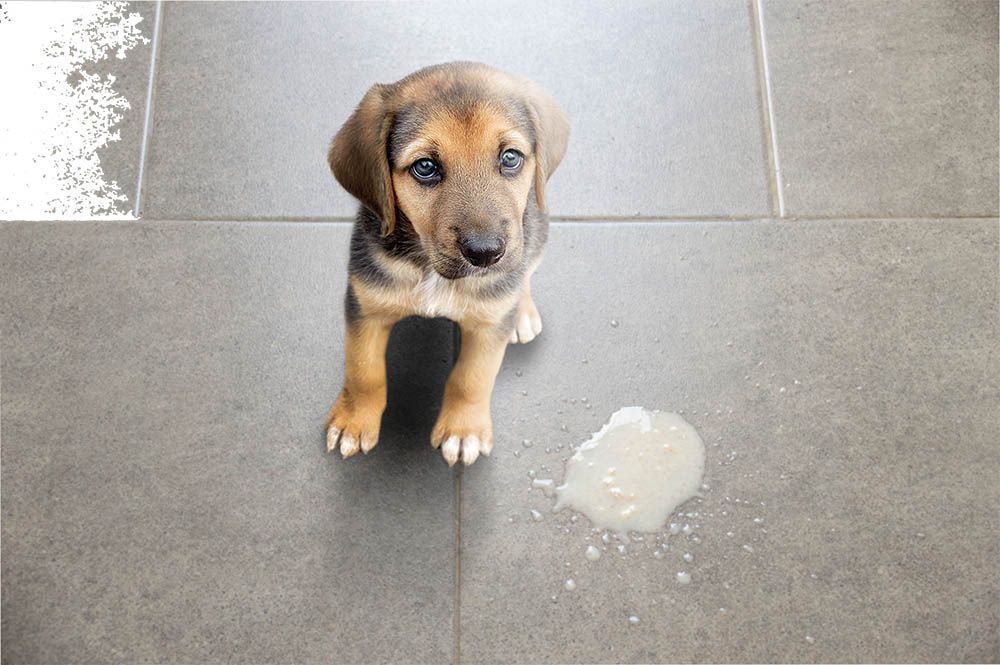
Few things will wake a pet parent up faster than the tell-tale sound of their dog getting ready to vomit in the middle of the night. If you’ve recently changed your dog’s food, you might wonder if it is behind your pup’s sick stomach. Changing food can indeed cause vomiting and other digestive signs in some dogs.
However, vomiting can also have other causes, some of them serious. In this article, you’ll learn why changing your dog’s food can sometimes cause vomiting, plus tips for switching food in a tummy-friendly manner. We’ll also cover some other possible causes of vomiting and when you should worry about your dog’s stomach issues.

Why Does Changing Dog Food Cause Vomiting?
Like people, every dog is different, and some may tolerate even quick diet changes with no vomiting or other unpleasant side effects. Generally, there are two primary reasons why dogs may develop vomiting after a food change.
First, it is commonly thought that introducing any new food, even one formulated for dogs, has the potential to irritate and inflame your dog’s digestive tract. Officially called gastroenteritis, this condition can result in vomiting, among other signs.
A new food may also cause your dog to vomit if they have an allergy or intolerance to one or more ingredients in the diet. In these cases, your dog’s immune system overreacts to the presence of the ingredients by producing antibodies to attack them. The result can be physical signs, including vomiting.
The most common culprits that trigger food intolerance in dogs are beef, chicken, dairy, soy, wheat, and eggs. If your dog starts vomiting after a food change, compare the ingredients in the new and old diets to see if any of these are present. Other signs that your dog has food allergies include diarrhea, skin irritation, ear problems, and itchy paws.

How to Change Your Dog’s Food and (Hopefully) Avoid Vomiting
While you may not be able to avoid issues when you change your dog’s food completely, here are some tips to help you minimize the chances of vomiting during a food switch.
Stick with the Same Brand
If possible, try to choose a new food made by the same brand your dog is used to eating. Although the ingredients may differ, the manufacturing process and ingredient sources should be similar. The fewer changes that happen during your food change, the better the chances that your dog tolerates it without vomiting.

Choose Similar Formulas
Most commercial dog food contains one or more protein and carbohydrate sources. If your dog is used to one protein, such as chicken, they may be more likely to tolerate a switch to a food with the same source.
Also, if your dog is used to dry food, try to swap it for another kibble rather than canned food, and vice versa. Of course, if you’re changing the food for health reasons, this may not be possible.
Change Food Gradually
Probably the most important step you can take to help your dog's food change go smoothly is to make the switch gradually. Typically, it’s thought best to take at least a few days or more to transition to a new diet. Start by serving the old diet and swapping a small percentage of the new food.
Each day, gradually decrease the amount of the old diet and increase the new until the transition is complete. If your dog has a history of a sensitive stomach, you may want to take even longer to change diets.


Other Causes of Vomiting
While a food change can certainly cause vomiting, there are numerous other reasons your dog could have an upset stomach. Vomiting is classified as a non-specific medical sign, meaning it can indicate multiple health issues. Here are just a few other causes of vomiting in dogs:
- Dietary indiscretion
- Intestinal blockage
- Pancreatitis
- Parasites
- Cancer
Anytime your dog is vomiting, it’s worth contacting your veterinarian, especially if you notice additional issues such as blood in the vomit or loss of appetite. If you’ve recently changed your dog’s food, make sure to inform your vet when you talk to them, too.
Conclusion
Changing your dog’s food can be necessary for several reasons, including to help manage medical conditions. Whatever the reason, check with your vet before you start the transition. Changing dog food can cause GI signs, including vomiting, diarrhea, and gas, but there are ways to make the switch easier for your dog's digestive system. Following the tips in this article can help you avoid middle-of-the-night carpet cleaning sessions the next time you need to change your dog’s food.
Sources
Featured Image Credit: cunaplus, Shutterstock
Expert dog care, straight to your inbox
News, insights, expert advice, and everything dog.

No spam — unsubscribe anytime.
By signing up, you agree to our Terms & Conditions and Privacy & Cookies Policy.
How useful was this post?
Click a star to rate. You can leave written feedback afterwards. (We read all feedback.)
Elizabeth Gray is a lifelong lover of all animals great and small. She got her first cat at 5 years old and at 14, she started working for her local veterinarian. Elizabeth spent more than 20 years working as a veterinary nurse before stepping away to become a stay-at-home parent to her daughter. Now, she is excited to share her hard-earned knowledge (literally--she has scars) with the readers. Elizabeth lives in Iowa with her family, including her two furry kids, Linnard, a husky mix and Algernon, the worldʻs most patient cat. When not writing, she enjoys reading, watching all sports but especially soccer, and spending time outdoors with her family.