Dogster is reader-supported. When you buy via links on our site, we may earn a commission at no cost to you. Learn more.

Dog Nutrition

Green Lipped Mussels for Dogs: Vet-Verified Facts & FAQ

Hanh Duong
By Hanh Duong · Reviewed & fact-checked by Dr. Lauren DemosVet Approved
Dr. Lauren Demos
Reviewed & Fact-Checked byDr. Lauren DemosDVM (Veterinarian)
As a veterinarian, Lauren is happy to share her rich experience in emergency medicine and cats, with our readers. She enjoys sharing helpful, real life tips for having pets as part of your life, and what to do in critical situations.View authorThe information is current and up-to-date in accordance with the latest veterinarian research. Learn more
Updated on June 17, 2026
Share
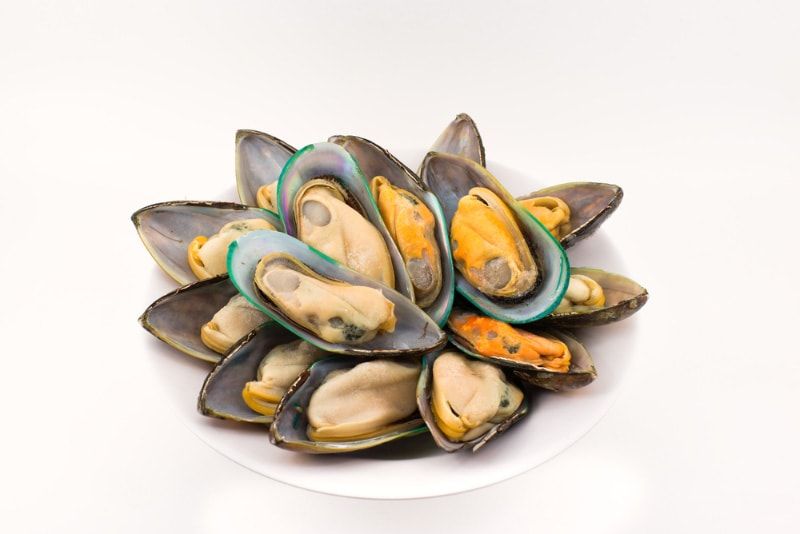
mussels on a plate

You may have never heard of green-lipped mussels (GLMs), but these particular shellfish are nutrient-rich mollusks that have many health benefits. They are great for humans, but what about dogs? Are GLMs healthy for dogs?

Yes, and they can even assist in joint pain alleviation. These mollusks have a lengthy history of supporting human joints, and according to experts, dogs may also benefit from the same characteristics. Let's look closer at how GLMs can help your furry friend and how to give them safely.

dogster face divider

What Are Green-Lipped Mussels?

Green-lipped mussels get their name from the vivid green stripe that runs around the shell's edge. Due to their role as a natural seawater filter, they take in a lot of nutrients and minerals. Despite being quite small, these powerful mussels provide enormous health advantages.

The Maori, a native population of New Zealand's main island, has long consumed the region's green-lipped mussels. According to reports, arthritis is extremely uncommon among Maoris who regularly consume mussels and live near the coast. For Maoris living inland and not eating mussels, this is not true. Though retrospective studies have shown mixed results, there are still many recommendations for the benefits of GLMs.

Image Credit: Dmitry Naumov, Shutterstock

How Are Green-Lipped Mussels Given?

The most common method is to give your dog green-lipped mussel supplements. The suggested dosage for a supplement containing green-lipped mussels will be printed on the packaging. If you're unsure how much to offer your pet, don't hesitate to speak with a veterinarian.

What Happens if You Miss a Dose?

Even though GLM use in dogs doesn't need a prescription, it's still important to review any supplements with a veterinarian before giving them. The safety of using these mussels in pregnant, breeding, or lactating canines has not been proven. If your dog is on GLM supplements and misses a dose, there is no problem. Simply continue with the normal dose the next day—do not try to double a dose because you missed one.

Potential Side Effects of Green-Lipped Mussels

Adding green-lipped mussels to your dog's diet can be very helpful, but only in the proper quantities. Because they contain a lot of nutrients, giving pups too much of these mussels may result in digestive issues. You should also monitor your dog to see whether they may be allergic to shellfish—while rare, this is still a possibility.

Image Credit: Anna Tarazevich, Pexels
dogster face divider

Frequently Asked Questions

What Are the Benefits of Green-Lipped Mussels for Dogs?

Green-lipped mussels include a variety of nutrients with possible health benefits for your dog.

  • Supports Joint Repair Glycosaminoglycans in green-lipped mussels can support the maintenance of healthy joints. These mussels also contain vitamins and minerals, and some of them have antioxidant characteristics. Antioxidants can aid in the prevention or reduction of several forms of cell damage in the body. Vitamins C and E, magnesium, zinc, selenium, and copper are a few of these nutrients.

Are Green-Lipped Mussels Better Than Glucosamine for Dogs?

Compared to joint supplements or glucosamine supplements for canines that contain glucosamine and 100% active components, green-lipped mussels for dogs only offer a small amount of active glucosamine. So with joint and mobility difficulties, some supplement companies suggest that glucosamine supplements are preferable.

dogster face divider

Summary

Green-lipped mussels can be a great addition to your dog’s diet once approved by a veterinarian. These mussels are typically given in the form of a powdered supplement and simply added to your dog’s regular meal. They have been shown to aid in joint health and assist dogs with mobility issues. Plus, there are little to no side effects to be concerned about.

Sources

Featured Image Credit: Anirut Krisanakul, Shutterstock

Want content like this delivered to you?

Sign Up For Our Newsletter

News, insights, expert advice, and everything dog

* By submitting, you agree to our Terms & Conditions and Privacy & Cookies Policy.

Hanh Duong
Authored by

Hanh Duong

Join the Conversation

2 Responses

ES
Eugene Sweatt says:
February 28, 2025

can Green-Lipped Mussel be crushed and added to my dog's food?

Joe Burns
Joe Burns says:
March 2, 2025

Hi Eugene, thanks for getting in touch with us. Yes, you can crush green-lipped mussels and add them to your dog's food. They are often used as a supplement for dogs to help with joint health, as they contain omega-3 fatty acids, glucosamine, and chondroitin. However, it is important to follow the recommended dosage based on your dog's size and weight. You may want to consult a veterinarian before introducing it to ensure it's appropriate for your dog's specific health needs. We do have an online vet service, PangoVet, where you can speak to a qualified and experienced veterinarian online, and they can help answer any questions you may have. You can book a video consult with our team at https://pangovet.com - Hope that helps!

Can Dogs Eat Mussels? Vet-Approved Benefits & Safety Tips

Can Dogs Eat Mussels? Vet-Approved Benefits & Safety Tips

Dogs can eat mussels in moderation. Mussels are high in protein and other nutrients that may benefit your dog; however, they don’t provide everything your dog…

Kristin Hitchcock
By Kristin Hitchcock · 1 week ago
Glucosamine for Dogs: Our Vet Explains the Usage, Dosage, Side Effects & FAQ

Glucosamine for Dogs: Our Vet Explains the Usage, Dosage, Side Effects & FAQ

Glucosamine is a popular nutraceutical product that is marketed to have many health benefits for dogs, especially for joint health as well as potential inflamm…

Dr. Rachel Ellison
By Dr. Rachel Ellison · 4 days ago
Can My Dog Overdose on Glucosamine? Vet-Reviewed Safety Facts

Can My Dog Overdose on Glucosamine? Vet-Reviewed Safety Facts

Glucosamine is an amino sugar that's commonly taken by humans and their canine companions to promote joint health. Evidence suggests it may decrease joint pain…

Lorre Luther
By Lorre Luther · 3 weeks ago
What to Feed a Dog With Arthritis: Comprehensive Guide

What to Feed a Dog With Arthritis: Comprehensive Guide

An estimated 20% of dogs over 1 year of age have osteoarthritis, or degenerative joint disease (DJD), which is a progressive and complicated disorder. It can p…

Chris Dinesen Rogers
By Chris Dinesen Rogers · 6 days ago
June 29, 2026

Can Dogs Eat Sea Moss? Vet-Verified Health Facts, Pros, Cons & FAQ

Have you heard the words "sea moss"? If you have seen this either in the pet food market or in the natural health community lately, you might wonder what it’s…

Ashley Bates
By Ashley Bates
Can Dogs Eat Sea Moss? Vet-Verified Health Facts, Pros, Cons & FAQ
June 17, 2026

Spirulina for Dogs: Vet-Reviewed Benefits, Uses & Tips

Everyone has heard of the benefits of plant-based foods, and this way of eating has become more popular among people in the last two decades. Spirulina is a su…

Keri-Beth Clur
By Keri-Beth Clur
Spirulina for Dogs: Vet-Reviewed Benefits, Uses & Tips
June 29, 2026

Can Dogs Eat Seafood? Vet-Reviewed Health Facts, Benefits & Risks

Seafood is a delicacy and is loved by many people, but what about humans’ best friends? Can dogs also indulge in the delights of the ocean? The short answer is…

Genevieve Dugal
By Genevieve Dugal
Can Dogs Eat Seafood? Vet-Reviewed Health Facts, Benefits & Risks
June 17, 2026

Can Dogs Eat Flaxseed? Vet Reviewed Diet & Health Facts

Flaxseeds, sometimes known as linseeds, provide a host of nutritional benefits to humans. They are packed with essential omega-3 and omega-6 fatty acids and ha…

Nicole Cosgrove
By Nicole Cosgrove
Can Dogs Eat Flaxseed? Vet Reviewed Diet & Health Facts
June 29, 2026

Can Dogs Eat Seaweed? Vet-Verified Facts & FAQ

Sharing some types of seaweed with your furry friend is okay in moderation. Seaweed is an excellent source of iodine, antioxidants, and vitamins, and it also p…

Hanh Duong
By Hanh Duong
Can Dogs Eat Seaweed? Vet-Verified Facts & FAQ
June 29, 2026

Can Dogs Eat Ginger? Vet-Verified Benefits, Risks & FAQ

Ginger has long been used for everything from cooking and flavoring to being added to medicines. The benefits of ginger have been documented and proven effecti…

Kathryn Copeland
By Kathryn Copeland
Can Dogs Eat Ginger? Vet-Verified Benefits, Risks & FAQ
June 17, 2026

4 Benefits of Turmeric for Dogs (Based on Science)

Dogs are like humans. They are susceptible to various diseases that can cause joint pain and inflammation and can also benefit from this yellow spice. We have…

Nicole Cosgrove
By Nicole Cosgrove
4 Benefits of Turmeric for Dogs (Based on Science)
June 29, 2026

Can Dogs Eat Shrimp? Vet-Verified Facts, Benefits & Risks

It's no secret that our dogs absolutely love meat! They will salivate by our dinner plates anytime we have a nice slab of steak or chunk of chicken. You might…

Ashley Bates
By Ashley Bates
Can Dogs Eat Shrimp? Vet-Verified Facts, Benefits & Risks

Love Dogs? So Do We! Join the Dogster Community

Stay informed with expert pet care insights delivered straight to your inbox! Discover professional guidance on animal behavior, feeding tips, trusted product picks, and much more.

You may opt-out at any time. View our Privacy Policy for more information.

The Dogster app on a phone