Can Dogs Eat Sea Moss? Vet-Verified Health Facts, Pros, Cons & FAQ



In this article
Have you heard the words "sea moss"? If you have seen this either in the pet food market or in the natural health community lately, you might wonder what it’s all about. If you’re wondering if your canine can have sea moss in their diet, the answer is absolutely!
Not only is sea moss incredible for the natural organisms that consume it, it's just as beneficial to supplement in your dog’s daily diet.

What Is Sea Moss?
Sea moss, or Chondrus crispus, is a type of red algae. It grows abundantly in Europe and North American coastal areas, providing rich nutrients for all sorts of wildlife. The algae will photosynthesize and absorb all the nutrients of the sea.
It carries several health benefits that can give your dog a kick of nutrition, boosting immunity and overall health.
Benefits of Sea Moss for Dogs

Sea moss is rich in so many beneficial nutrients. It can work to heal your dog from certain ailments or boost their overall health.
- Contains Iodine: Iodine is a necessary nutrient that improves thyroid function.
- Contains Iron: Iron increases energy and promotes excellent blood health.
- Fights Infections: Sea moss also boosts immunity to help the body fight off infections. If you have a dog susceptible to illness, sea moss can be a terrific additive to keep their immune systems working optimally.
- Soothes Skin: Sea moss nourishes the skin—ideal for dogs with skin irritation, allergies, or dermatitis-related issues.
- Improves Bone Health: Because sea moss contains calcium, magnesium, and phosphorus, it supports bones and joints. These valuable nutrients can strengthen the bodies of dogs with mobility issues.
Downfalls of Sea Moss for Dogs

Sea moss is perfectly healthy for your dog, but everything works best in moderation. You should supplement your dog with sea moss as directed on the package, without over or under-indulging. To reap the full benefits of sea moss, use the proper dosage and make sure that you feed as directed. Talk with your vet prior to feeding it if your pet has any medical issues.
Buying Sea Moss for Dogs
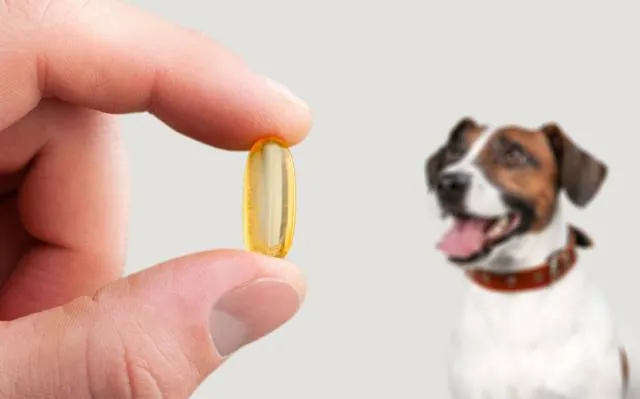
You can purchase sea moss specifically for dogs in powder, capsule, or gel form. You can purchase it both in certain pet shops and online. Swimming through a sea of products can be challenging, so make sure to read reviews from customers who are satisfied with the product.
Frequently Asked Questions
How Fast Does Sea Moss Work?
As with anything else, sea moss takes a few weeks to start noticeably working. You should see effects in your dog within 3 to 6 weeks.
Does Sea Moss Have Adverse Reactions?
Some dogs might not take so well to sea moss, though it is rare. Some can have an allergy that can cause hives or anaphylaxis. Minor side effects include nausea, vomiting, and diarrhea.
If you notice any adverse reaction, stop using it immediately. For significant reactions, contact your vet immediately—and always, always, always contact your vet before giving sea moss to your dog.
Final Thoughts
So, now you know that sea moss is a nutrient-rich algae that may enhance your dog's diet. It has several health benefits that any pup could benefit from, as long as you use it as directed.
Sea moss comes in several different forms, so always remember to check out your options and buy the product that would work best in your situation.
Expert dog care, straight to your inbox
News, insights, expert advice, and everything dog.

No spam — unsubscribe anytime.
By signing up, you agree to our Terms & Conditions and Privacy & Cookies Policy.
How useful was this post?
Click a star to rate. You can leave written feedback afterwards. (We read all feedback.)
Ashley Bates is a freelance dog writer and pet enthusiast who is currently studying the art of animal therapy. A mother to four human children— and 23 furry and feathery kids, too – Ashley volunteers at local shelters, advocates for animal well-being, and rescues every creature in need. Her mission is to create awareness, education, and entertainment about pets to prevent homelessness. Her specialties are dogs and cats.