Spirulina for Dogs: Vet-Reviewed Benefits, Uses & Tips


In this article
Everyone has heard of the benefits of plant-based foods, and this way of eating has become more popular among people in the last two decades.
Spirulina is a supplement used every day by thousands of people because it's rich in nutrients, has anti-inflammatory properties, may lower cholesterol, reduce blood pressure, and improve endurance.1 Due to all the potential benefits that it offers humans, dog owners have started wondering about giving it to their pets.
However, it's important to understand what spirulina is and what effects it may or may not have on our furry companions based on research before jumping on board with this new trend, so let's discuss it.

What Is Spirulina?

Spirulina is a cyanobacterium, often known as the blue-green algae that loves sunlight.2 It can grow in saltwater and freshwater in subtropical climates. The algae can grow in natural and controlled conditions; however, it can become contaminated by absorbing heavy metals from the water that it's in when grown naturally. Spirulina produced for human use is grown in controlled conditions in large outdoor ponds. Always buy spirulina supplements for yourself or your dog from brands you trust and in the case of your pooch, choose those that have been recommended by a vet to avoid any risk.
There are three main species of the algae that have undergone most research: Spirulina platensis, Spirulina fusiformis, and Spirulina maxima. They all have high nutritional value and potential benefits for both people and dogs. They are used in supplements and as a color additive in certain candies and food.
Spirula is considered a superfood that contains proteins, essential amino acids, carbohydrates, iron, essential fatty acids, vitamins, and minerals. These components are necessary to build muscles, tissues, and organs, as well as support immune function, coat health, and overall well-being.
Should I Give My Dog Spirulina?
Spirulina certainly has potential benefits for canines as well as humans, but the research into this topic is still in its very beginning. It’s important to understand that spirulina cannot in any way replace a high-quality balanced and complete diet that meets all of your dog’s nutritional needs. Giving your dog a supplement they haven’t eaten before may lead to a stomach upset, or not have the desirable effects you would expect from it. Spirulina also cannot replace a necessary treatment if your dog is suffering from any type of illness.
If you would like to try giving spirulina to your dog, please consult a veterinarian first, as there may be other supplements or treatments your dog may benefit from.
How to Use Spirulina
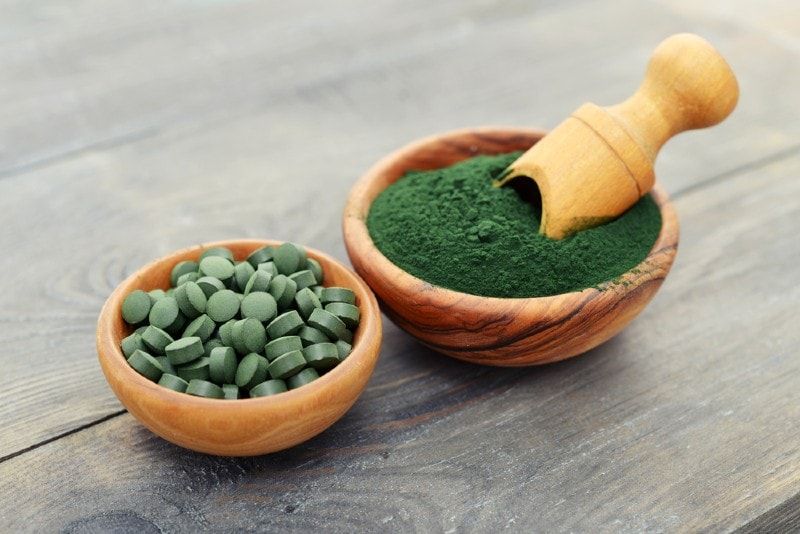
Spirulina is available in many forms for easy consumption and to appeal to a variety of different dogs, including picky eaters. You can use the powdered form and sprinkle it over your dog's food, according to a vet’s recommendations. You can purchase spirulina in treat form, which comes in a gummy or biscuit texture, suitable for puppies and adult dogs. You can also feed it to your dog as a tablet or capsule in dog treat paste. Spirulina is usually better received when mixed with food or treats because it's not a very tasty supplement.
Only a small amount needs to be given to your dog per day, as it's quite concentrated, but it can be given at any time of day. However, you should always discuss starting a new supplement on your dog with a vet.
Another point to note is that you cannot share your own spirulina supplement with your dog—they will need their own dog-friendly type that has been manufactured specifically for canines. Human supplements may contain additives or additional ingredients, such as artificial sweeteners, that may be harmful and even toxic to dogs.

Potential Advantages of Spirulina
Spirulina has become popular because of its many potential benefits. However, more research needs to be done on it. One of the biggest boons of this supplement is its benefit on the immune system. It's full of antioxidants and may strengthen the immune system to fight against infection and chronic illnesses, as well as to mount a good immune response after a vaccination.
It's also highly digestible and may promote gut health and improve the stability of beneficial gut bacteria in your dog. It's packed with essential fatty acids that may benefit itchy and dry skin in some dogs.
Disadvantages of Spirulina
Thankfully, there don’t seem to be too many serious risks surrounding spirulina, based on currently available information. In rare cases, some dogs may develop a stomach upset if they eat too much of the supplement at once, but generally, spirulina is considered fairly well tolerated. Spirulina can absorb toxins from the water that it's grown in, but if you've bought your dog's supplement from a trusted brand and according to a vet’s recommendation, you won't have to worry as much about contamination because the manufacturer should have taken the necessary precautions to ensure your dog's safety and grow the algae in controlled and tested conditions. However, always be mindful of the fact that nutritional supplements for dogs are not recognized by the FDA as such, unlike pet food and drugs, meaning they may contain ingredients in different amounts than stated on their labels, or not at all.
Avoid spirulina supplements from unverified brands, as they may have used fillers that could affect your dog negatively. Never give human spirulina supplements to your dog because these could make them sick if they contain ingredients that are harmful or even toxic for dogs. Only use ones that have been specifically made for canines and recommended by a vet. Special precautions should be taken in dogs taking certain medications or suffering from autoimmune diseases.

Frequently Asked Questions
How Much Spirulina Is Recommended per Day?
The exact, most effective dosage that a dog should receive of spirulina per day isn't known at this stage. Some papers suggested that the daily amount of spirulina considered to be well tolerated ranged from 0.06 to 0.19 grams per kilogram of body weight for small-sized dogs, from 0.05 to 0.15 for medium-sized dogs, and from 0.04 to 0.12 for large-sized dogs.
However, before giving your dog a spirulina supplement, it is always safer to chat with a vet about starting your dog on a new supplement and the amount that they may suggest for your dog, with them knowing your dog's weight, history, and health conditions.
What Time Should I Give Spirulina to My Dog?

When you choose to give your dog spirulina during the day is up to you, as time doesn't play a role in the effectiveness of the supplement. It will work the same in the morning as it does at night.
What Will Happen If I Give My Dog Too Much Spirulina?
If your dog gets a hold of more spirulina than their daily dosage, they may experience gastrointestinal, such as nausea, gas, vomiting, abdominal discomfort, and diarrhea.
If the signs get worse or don't pass, reach out to a vet because there could be something more serious going on with your dog's health.
Does Spirulina Work Straight Away?
Don't be disappointed if you don't see any changes in your dog right away or at all, as it can take a few weeks to see any improvements, while in some cases the changes may not be outwardly visible at all. Based on research, some owners have reported an improvement in their dog’s coat and skin after a 6-week trial period, while generally there haven’t been any significant changes in energy levels and activity. Other papers have shown a quantifiable increase in post-vaccine immunity by measuring the antibody response, as well as increased gut microbiota stability, from 4 weeks after starting the supplement.
Final Thoughts
Spirulina has many potential benefits for dogs, as it can improve their digestion, provide them with protein, strengthen their immune system, and possibly improve the condition of skin and coat in some dogs. However, more research is required into the true extent of these benefits, as well as the potential contraindications of using spirulina in dogs. It can be given to your dog in several forms, such as powder, treats, tablets, and capsules.
It can be mixed in or given with food to make it more palatable, but you should never share your own spirulina with your dog or start your pup on it without first consulting a vet.
Related Reads:
Sources
Featured Image Credit: mama_mia, Shutterstock
Expert dog care, straight to your inbox
Vet-reviewed advice, training tips, and the best of Dogster. Free, and you can unsubscribe anytime.
By signing up, you agree to our Terms & Conditions and Privacy & Cookies Policy.
Keri-Beth is a freelance writer from South African who specializes in animals. She has grown up with a range of pets, volunteered at many shelters, and is highly passionate about pet care. Currently, Keri-Beth is raising two dogs - Benji, the Golden Cocker Spaniel, and Gracie, the Boerboel. With so much information out there, Keri-Beth has made it her questo to make pet care as easy and straightforward as possible for any pet parent in the world.
In her spare time, Keri-Beth enjoys photography, camping, and spending time with her husband, who is a professional drummer.
Join the conversation
Ask a question, share your story, or send private feedback.