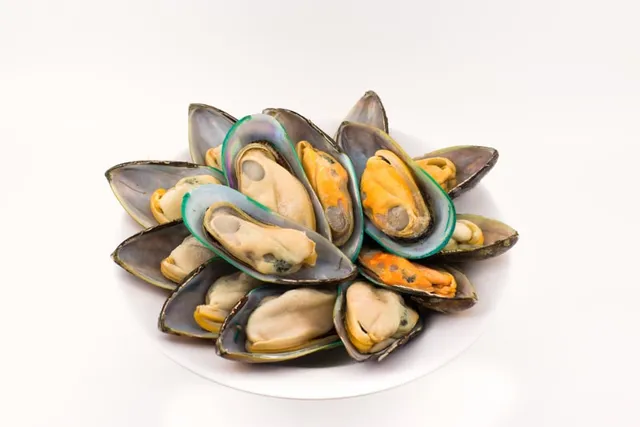
Can Dogs Eat Mussels? Vet-Approved Benefits & Safety Tips



In this article
Dogs can eat mussels in moderation. Mussels are high in protein and other nutrients that may benefit your dog; however, they don’t provide everything your dog needs, so they should only be considered an occasional treat. It’s best to steam the mussels first, as this removes any potential bacteria that can make your dog sick.
That said, mussels may not be a suitable dietary addition for all dogs. Always consult with your veterinarian before introducing any new foods to your dog’s diet. In general it's best to start small and work your way up to larger amounts. Introducing your dog to any food quickly or in large amounts can result in stomach upset as your dog’s digestive system needs time to adapt to the new food.

How Many Mussels Can Dogs Eat?
It depends on the size of the dog. Smaller dogs should eat less mussels than larger dogs. You should never allow treats to make up more than 10% of your dog’s diet. Therefore, if you’re using the mussels as a treat, your dog should eat very few.
Green lipped mussel extract is included in many joint supplements and diets, and this is often how owners choose to give mussels to their dogs for their health benefits. Studies have shown green lipped mussels can have a positive effect on mobility and pain in dogs with osteoarthritis, but that a regular daily amount is needed for up to 2-3 months before these supplements have an effect. Of course, you should always speak to your vet before adding any supplement to your dog’s diet. Some supplements can interact with medications or make certain illnesses worse. Just because it is natural doesn’t mean it is 100% safe.

Benefits of Mussels for Dogs
There are many potential benefits of mussels for dogs. However, green-lipped mussels are the most common variety given to dogs. Therefore, they are also the most studied.
Here are the potential benefits of feeding mussels to your pooch:
Can My Dog Eat Mussel Shells?
While dogs can eat mussels, we don’t recommend feeding your dog mussel shells because they don’t provide any benefit to your dog. Instead, they can cause several problems.
First and foremost, mussel shells can be a choking hazard. They cannot be chewed completely and can easily break into sharp pieces. If your dog swallows large pieces of shells, they may choke. When your dog is chewing, they may potentially break their teeth on the hard shells. Broken teeth can be very painful and may require veterinary care.
Even if the shells get swallowed safely, they can obstruct your dog’s intestines. They are not very digestible, so they will move through your dog’s intestines in whole pieces. The sharp edges can also tear the intestines, causing internal bleeding and similar problems. Both of these problems can be deadly and may require surgery.
A dog’s digestive system may react negatively to mussel shells, even smaller pieces. They may vomit or have diarrhea until the shells are passed. The shells can damage their throat if they vomit them back up. This can be extremely serious, as you might expect.
Which Mussels Are Best for Dogs?
There are two types of mussels that are commonly fed to dogs: blue mussels and green-lipped mussels. We’ve already discussed this latter species extensively, as it is scientifically proven to help with certain health conditions. They’re particularly known for promoting joint health due to their glucosamine and high levels of omega 3s.
Blue mussels are more commonly available than green-lipped mussels, so they are also a popular option for dog owners. While they aren’t as heavily studied as green-lipped mussels, they are a good source of protein and omega fatty acids.
They likely have many of the same benefits as green-lipped mussels, though they may not be as potent.

How to Feed Mussels to Dogs
Once you’ve decided to feed your dog mussels, it’s important to prepare them correctly. Always feed your dog cooked mussels. Raw mussels may contain harmful bacteria and parasites that can cause foodborne illnesses in dogs. Cooking the mussels thoroughly will kill any potential pathogens and make them safe for consumption.
Don’t season the mussels while cooking. It’s best to feed your canine only plain mussels with nothing extra added. Be cautious of sauces. Often, mussels cooked for human consumption are not safe, as they often contain seasonings. You’ll need to cook your dog their own mussels.
As with any new food, introduce mussels to your dog’s diet in small amounts and observe their reaction. Some dogs may have allergies or sensitivities to shellfish, so it’s essential to monitor for any adverse reactions. Practically all dogs will react negatively if they are fed too many mussels too soon.
Final Thoughts
Mussels can be a safe and nutritious addition to your dog’s diet when given in moderation. They are high in protein and contain beneficial nutrients, particularly green-lipped mussels. These mussels are high in omega fatty acids and glucosamine which are known to support a dog’s joint health.
As with adding any new foods to your dog’s diet we would advise getting the go ahead from your vet and to help avoid any adverse reactions, start with small amounts and gradually increase the portion.
When feeding mussels to your dog, always ensure they are cooked thoroughly to eliminate any harmful bacteria. Avoid seasoning the mussels, and never feed your dog mussel shells as they can pose choking hazards and lead to serious digestive issues.
See Also:
Featured Image Credit: Graphichead, Shutterstock
Expert dog care, straight to your inbox
News, insights, expert advice, and everything dog.

No spam — unsubscribe anytime.
By signing up, you agree to our Terms & Conditions and Privacy & Cookies Policy.
How useful was this post?
Click a star to rate. You can leave written feedback afterwards. (We read all feedback.)
Kristin loves to help pet parents create a fulfilling life for their pets by informing them on the latest scientific discoveries and helping them choose the best products for their pets. She currently resides in Tennessee with three cats, four dogs, two fish, and a lizard, though she has dreams of owning chickens one day!