Can My Dog Overdose on Glucosamine? Vet-Reviewed Safety Facts

Glucosamine is an amino sugar that's commonly taken by humans and their canine companions to promote joint health. Evidence suggests it may decrease joint pain and help prevent further cartilage and joint deterioration in dogs and people, and many veterinarians recommend glucosamine supplementation as part of a holistic approach to treating canine arthritis and joint pain.
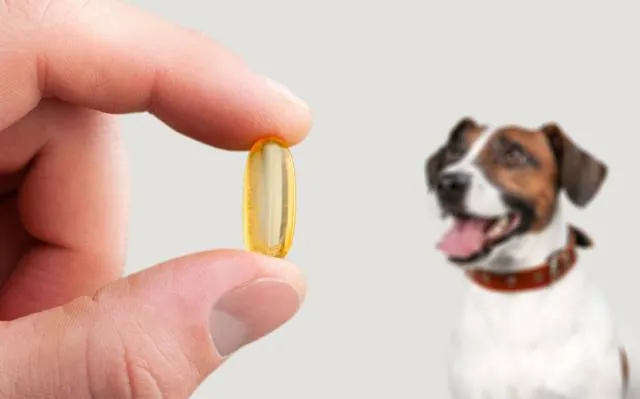
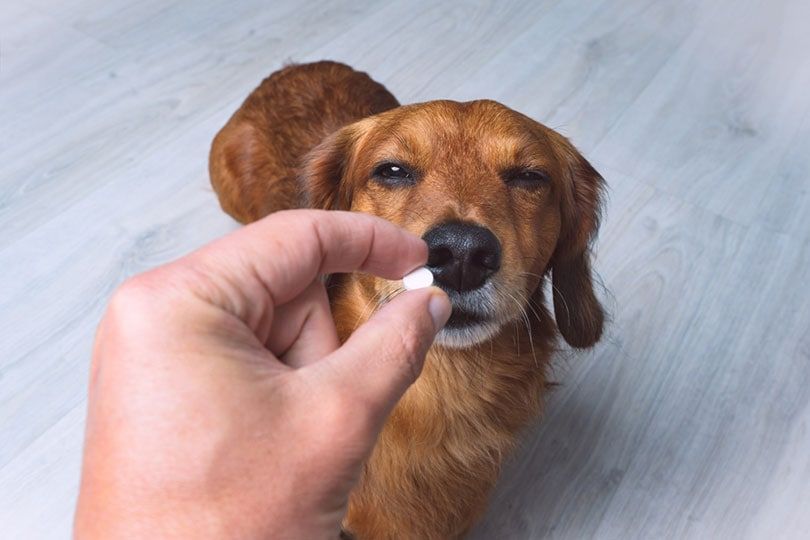
But what happens if your pet gets too much? It's rare for dogs to overdose on glucosamine, but it does happen, usually when dogs get into supplements.1 High doses of glucosamine can be toxic.2 Your dog will most likely be fine if they accidentally get an extra canine glucosamine tablet or two one day, but they may experience a bit of vomiting and diarrhea. However, contact your veterinarian for guidance immediately if your dog ingests large quantities of glucosamine.

Does Glucosamine Help Dogs?
Many veterinarians recommend glucosamine for senior dogs with joint pain. Evidence suggests it may effectively reduce joint pain, lower inflammation, and increase mobility in some dogs suffering from arthritis. It may also slow joint degeneration and possibly even support new cartilage growth.
Other supplements veterinarians often recommend for canine joint pain include chondroitin sulfate, omega-3 fatty acids, green-lipped mussels (GLM), and methylsulfonylmethane (MSM).3 GLM is packed full of omega-3 fatty acids, and MSM has antioxidant and anti-inflammatory properties. MSM also helps speed up the removal of toxins from cells and may reduce joint pain.
While glucosamine isn't a cure for canine degenerative joint conditions like arthritis, it may improve your pet's overall quality of life by reducing their pain and making it easier for them to stay active, which plays a critical role in keeping dogs healthy.

Are There Canine-Specific Supplements?
Yes. Dogs should only be given canine-specific supplements since human products often contain mixtures of several vitamins and nutrients. Some compounds regularly added to human multivitamins, such as vitamin D, can be toxic to dogs since the dosage is too high.4 Signs of vitamin D poisoning include decreased appetite, increased urination, and excessive drooling.
Veterinary supplements are made with the specific needs of dogs in mind. They contain only one targeted nutrient and are usually produced in canine-appropriate dosages. Ask your veterinarian for guidance on selecting the best products. They'll be able to help you determine the correct dosage for your pet and point you in the direction of high-quality options.
However, you may not need canine supplements to get your pet the nutritional joint support they need. Joint-health pet food often includes all the glucosamine, chondroitin, and omega-3 fatty acids dogs need to obtain results, particularly in the early stages of osteoarthritis.

How Else Can I Improve My Dog's Joint Health?
Weight control and exercise are fundamental to optimal joint health. Osteoarthritis is a degenerative condition involving the progressive wearing away of joint surfaces. Overweight dogs are particularly likely to develop the disease. Once canine joint problems begin, they’re often made worse by excess weight and lack of activity.

Weight Management
Ensuring your dog maintains a healthy weight reduces the likelihood they’ll develop serious joint problems later in life. Overweight dogs diagnosed with arthritis can benefit from dropping a few pounds to decrease the stress on their joints. Overweight dogs often aren't interested in exercise, which lubricates and soothes joints.
Exercise 🐕
Getting enough exercise also keeps your dog's muscles nice and healthy, allowing them to get up and go without becoming easily fatigued. It also benefits their heart, joint, muscle, tendon, and ligament health.
Some breeds require far more exercise than others, and some active dogs, such as Boxers and Huskies, need multiple hours of exercise per day to remain healthy. Tiny pets like chihuahuas are okay with a few daily leisurely walks, but all dogs need exercise to stay mentally and physically fit. This includes dogs who are slowing down due to arthritis.
Dogs suffering from degenerative joint disease usually do best when they stay active. However, being active doesn't mean they should engage in the same activities as before their joints started aching. Gentle walks and swimming are fantastic activities for arthritic dogs since they provide the benefits of exercise without putting too much stress on their joints. Concentrate on low-impact activities, go slow, and take plenty of breaks if your pet needs them. Avoid activities that encourage your dog to jump or make quick, sharp turns.

Alternative Therapies
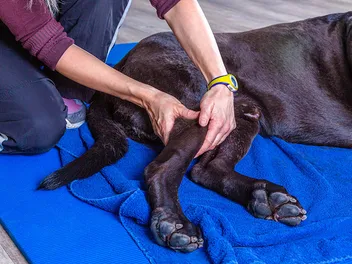
Some dogs obtain pain relief through alternative modalities such as acupuncture and hydrotherapy. Physical therapy can also improve mobility and relieve pain by strengthening the muscles, ligaments, and tendons supporting your pet’s joints. Your veterinarian can provide guidance on the most effective way to use diet, exercise, supplementation, and other treatment options to manage your dog's condition.
Summary
It's pretty difficult for dogs to overdose on glucosamine, but it can happen, particularly if they consume large quantities of high-dose supplements. Many veterinarians recommend this powerful amino sugar for pets suffering from degenerative joint conditions since it reduces pain and inflammation. It’s generally considered safe for long-term use.
If you supplement your pet’s diet, use canine-specific products. They usually only contain one or two nutrients and are dosed appropriately for dogs. Many joint health and senior dog food formulations include inflammation-easing and pain-reducing nutrients such as glucosamine, omega-3 fatty acids, and chondroitin sulfate. Before adding glucosamine or another supplement to your dog’s diet, talk to your veterinarian to ensure it’s suitable for your pet.
Sources
https://www.webmd.com/vitamins/ai/ingredientmono-807/glucosamine
https://www.pumpkin.care/blog/how-much-exercise-does-a-dog-need/
https://www.msdvetmanual.com/pharmacology/inflammation/chondroprotective-agents-in-animals
https://www.merckmanuals.com/professional/special-subjects/dietary-supplements/glucosamine
https://www.petmd.com/dog/slideshows/care/5-exercise-tips-for-arthritis-dogs-cats
https://www.aspcapro.org/resource/overdoses-oral-chondroprotective-agents
Featured Image Credit: Creative Cat Studio, Shutterstock
Expert dog care, straight to your inbox
Vet-reviewed advice, training tips, and the best of Dogster. Free, and you can unsubscribe anytime.
By signing up, you agree to our Terms & Conditions and Privacy & Cookies Policy.
Lorre Luther is a writer from Rotterdam. A former lawyer from the United States, she moved to the Netherlands to follow her dreams and become a writer. Lorre enjoys traveling and reveling in the astonishing beauty of our world. She has a soft spot for animals and is firmly convinced that cats are smarter than humans.
Join the conversation
Ask a question, share your story, or send private feedback.