Can Dogs Have Beets? Vet-Reviewed Nutritional Facts & FAQ


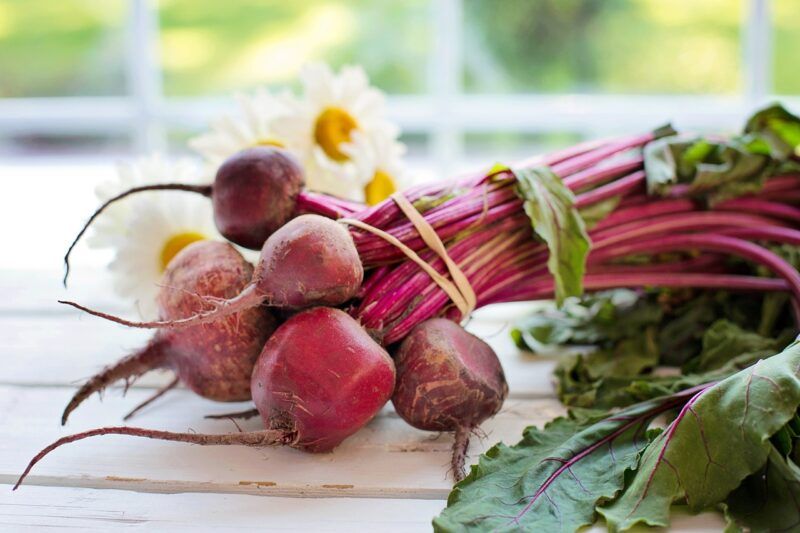
For many people, beets aren’t the first vegetable that comes to mind when they’re at the grocery store or getting ready to make dinner. They are an often maligned and underrated vegetable that adds flavorful depth to dishes, not to mention having a host of health benefits.
Beets seem to be having somewhat of a resurgence in popularity right now, though, so they may start coming across your plate more frequently. If you’ve looked up the nutritional benefits of beets, then you may want to give them to your dog as well, but can dogs eat beets? As a general answer, yes, dogs can eat beets. Let's find out all the details.

Can Dogs Have Beets?
Yes! Beets are actually an extremely healthy food for dogs. Not only are they healthy, but many dogs seem to really enjoy their sweet, earthy taste. All colors and varieties of beets are safe for dogs to eat, and they each provide plenty of quality nutrition for your pup. In fact, beet pulp is a common additive in commercial dog foods as an inexpensive and low-allergen way to meet many nutritional requirements.
Of course, you should always scrub the beets before giving them to your dog. Dogs can eat raw and cooked beets. Raw beets provide more nutrients than cooked beets, but cooked beets are more versatile and easier to handle. They can be offered as a treat or incorporated into your dog’s diet.
Not only can dogs eat the beetroot itself, but they can also eat the beet greens! If you didn’t already know this, beet greens are edible and perfectly safe, as well as being pretty tasty. You can eat them raw or cooked, and your dog can eat them either way. Like the beets themselves, beet greens are high in nutrients.
Nutrition of Beets
Beets are an excellent source of fiber while being a low-calorie vegetable option. Beets contain powerful antioxidants, and different-colored beets provide different antioxidants. This means that red beets and white beets aren’t going to provide your dog with the same nutrients, so mix things up!
Beets are a good source of vitamin C, folate, magnesium, phosphorus, and vitamin A, as well as being a source of calcium, iron, copper, thiamine, and other B vitamins. They’re low in fat, but they are somewhat high in natural sugars. Beet greens are a good source of vitamin A, vitamin K, zinc, manganese, potassium, vitamin C, and magnesium, as well as antioxidants.
You may think that because beets are high in sugar, they aren’t a good option for diabetic doggies. However, beets contain alpha-lipoic acid, which is an antioxidant that has shown potential for lowering blood sugar levels and increasing insulin sensitivity, making it more effective. While beets aren’t going to cure your dog’s diabetes, talk to a vet about incorporating them as a treat.
Things to Know
Before feeding beets to your dog, you need to know one important thing: red beets can (and will) turn urine and feces red or give them a red tinge. The red color in excrement produced by beets can vary in color depending on the number of beets eaten and the individual’s digestive system. It can be jarring to see your dog poop out what appears to be bloody poop. If your dog has eaten beets in the last couple of days, this could be the reason.
If you’re unsure if your dog’s waste is red because of beets or blood, then don’t hesitate to reach out to your vet. Just remember that the beets can cause waste to change color, so don’t panic tomorrow morning when your dog has pink poop or puce pee!
Obviously, this only happens with red beets or beets with red coloration in them, like candy cane beets. White beets and other light-colored beet varieties shouldn’t cause any change in the color of your dog’s waste.
Also, don’t forget that the red color from beets can stain your clothes, your cutting board, your fingers—anything it has a chance to soak into.
Conclusion
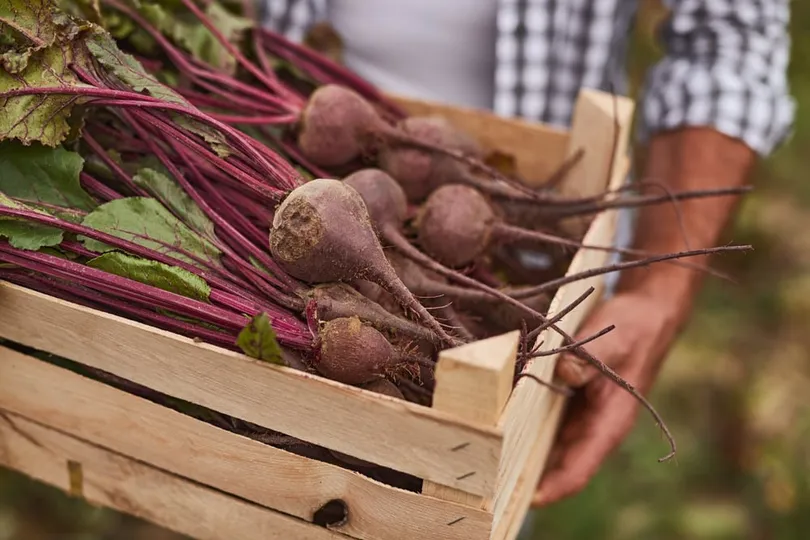
Beets are a nutritional, tasty vegetable that can be safely fed to dogs as part of a balanced diet. They are low in calories and high in fiber, and they boast a slew of benefits, including reducing inflammation, enhancing oxygen exchange within the body, helping protect against cancer, boosting the immune system, and supporting healthy digestion. Just don’t forget that your dog’s waste might turn pink or red after eating red beets, so don’t be surprised if this happens!
Sources
Featured Image Credit: Africa Studio, Shutterstock
Expert dog care, straight to your inbox
News, insights, expert advice, and everything dog.

No spam — unsubscribe anytime.
By signing up, you agree to our Terms & Conditions and Privacy & Cookies Policy.
How useful was this post?
Click a star to rate. You can leave written feedback afterwards. (We read all feedback.)
Brooke Billingsley spent 9 years as a veterinary assistant before becoming a nurse in 2013. She lives in Arkansas with her boyfriend, and loves all animals; currently sharing a home with three dogs, two cats, five fish, and two snails. She has a soft spot for special needs animals and has a three-legged senior dog and an internet famous cat with acromegaly and cerebellar hypoplasia. Fish keeping has become a hobby of Brooke’s and she is continually learning how to give her aquarium pets the best life possible. Brooke enjoys gardening and keeps a vegetable garden during the summer months. She stays active with yoga and obtained her 200-hour yoga teacher certification in 2020. She hosts a podcast focusing on folklore and myth and loves spending her free time researching and writing. Brooke believes that every day is an opportunity for learning and growth and she spends time daily working toward new skills and knowledge.