5 Benefits of Sweet Potatoes for Dogs: Vet-Reviewed Facts & Considerations



In this article
Sweet potatoes are superfoods chock full of many health benefits for humans. They're loaded with vitamins and minerals and are generally considered a healthier choice than regular potatoes. Since they're so beneficial for humans, you might wonder if sweet potatoes are something you should consider adding to your dog's diet.
Dogs can certainly eat sweet potatoes, and, as it turns out, the root veggies' health benefits do apply to canines too. Keep reading to find some of the many benefits of sweet potatoes for your dog.

What Is a Sweet Potato?

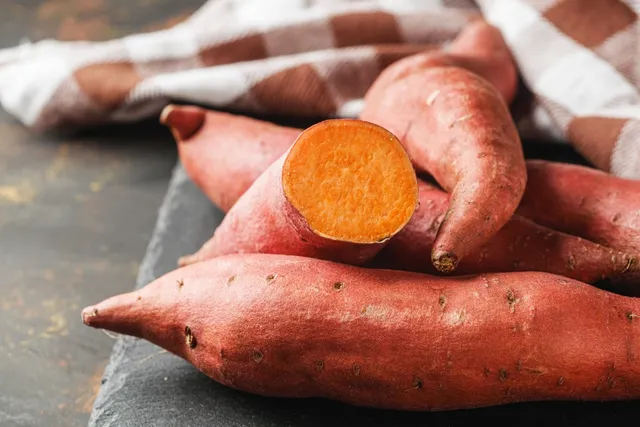
The sweet potato (Ipomoea batatas) is a starchy and sweet-tasting tuberous root vegetable. Despite the latter part of its name, it is only distantly related to the common potato, as they're part of the order Solanales. The sweet potato is actually part of the morning glory family (Convolvulacea) and is native to tropical America, as they thrive in warm temperate climates.
Sweet potatoes are served as a cooked veggie and even make an appearance during the holiday season in many sweet dishes like pies and candied yams. Speaking of yams, read on!
Sweet Potato vs. Yam
Though "sweet potato" and "yam" are occasionally used interchangeably, especially in North American supermarkets, sweet potatoes are unrelated to true yams.
Yams have a rough and textured dark brown skin, while sweet potatoes have a thin, reddish-brown skin. In addition, yams' skin is dry and starchy like a regular potato, while sweet potatoes have soft orange, white, or purple flesh.
Sweet potatoes are, as their name would suggest, sweet. Yams can have a mild sweetness, but most people consider their taste earthy and neutral. Yams need to be served cooked as they're toxic when eaten raw, while humans can safely eat sweet potatoes raw.
The 5 Main Benefits of Sweet Potatoes for Dogs
Now that you know what a sweet potato is (and isn't), let's take a closer look at why you should consider feeding it to your dog.
1. They're a Source of Antioxidants

There's more to sweet potatoes' beautiful orange color than you might think. A powerful antioxidant known as beta carotene is to thank for that orange coloration. This is the same antioxidant in carrots, tomatoes, and other leafy veggies. Beta carotene may provide protection against free radical damage and help prevent heart disease.
Fun fact: Dogs can convert beta carotene into vitamin A, an essential vitamin for proper nerve and muscle function. It's also great for your dog's eye health, skin, gums, and bones.
2. They're a Great Source of Fiber
Fiber is an essential nutrient for dogs (and people, too) because it keeps the digestive system in check. It can be fermented into fatty acids by the bacteria in your dog's intestine and may prevent any overgrowth of bad bacteria.
Fiber is also great for dogs that need a little help managing their weight. Obesity is the most preventable disease in North American dogs. Unfortunately, up to 30% of the canine population is considered obese.1 Foods high in fiber allow dogs to feel satiated while consuming fewer calories. Many vets may then recommend a high-fiber diet when their canine clients could lose a few pounds.
Dogs with diabetes can also benefit from a fiber-rich diet. Insoluble fibers will add bulk and slow digestion and carbohydrate absorption, promoting better sugar regulation.
3. They're High in Vitamin C

Sweet potatoes are very high in vitamin C, an antioxidant your dog needs to reduce inflammation and cognitive aging.
Dogs don't rely on vitamin C, though, as their metabolism can synthesize it. This is why we don't encounter dogs with vitamin C deficiency conditions like scurvy, and likely why you don't hear much about the pet food industry fortifying their foods with vitamin C.
So, while you probably don't need to give your dog a vitamin C supplement, it never hurts to have a little extra in their diet from a natural source, especially if your dog is a senior or has a weakened immune system.
4. They're Rich in Potassium
Sweet potatoes are very high in potassium, with nearly 500 milligrams of the essential mineral in just one large sweet potato. Potassium is a primary electrolyte that aids in the functioning of the electrical charges in the nerves, muscles, and heart. Without potassium, dogs may feel sluggish or not hungry. In addition, they may start losing weight or muscle mass.
5. They're a Source of Vitamin B6

Vitamin B6 is an incredibly vital vitamin your dog needs for nutrient metabolism, nervous system function, and hemoglobin formation. It plays a significant role in hemoglobin production and is therefore crucial for blood tissue oxygenation. This vitamin may also help regulate the level of homocysteine.
High homocysteine levels may be associated with cognitive impairment. Dogs that are deficient in vitamin B6 regularly have high levels of homocysteine in their blood, which may put their brain health at risk.

How to Serve Sweet Potatoes to Dogs
If we've convinced you that it's time to add a little sweet potato to your dog's diet, you're probably not sure where to start. So, let's look at some of the best ways to prepare and serve these powerful orange root veggies to your pup.
1. Boil or Steam Them

The easiest way to add sweet potatoes to your dog's diet is by steaming or boiling them. Do not add any flavoring or seasoning to portions you'll be feeding your dog. While roasting is a common way to prepare sweet potatoes for human consumption, boiling or steaming is recommended because it changes the structure of the resistant starches, making them easier to digest. Be sure to remove the skin before serving it to your pup.
2. Make Your Own Dehydrated Treats
It's very simple to make your own dehydrated treats from sweet potatoes. All you need to do is slice a raw sweet potato into discs and place the pieces evenly in your dehydrator. Then, let the dehydrator work its magic for 24 hours for tasty and crunchy treats your dog will love.
If you don't have a dehydrator, you can use your oven to achieve similar results. Dehydrate the discs at 200 degrees Fahrenheit for an hour. Then, flip over and bake for another hour. Finally, turn your oven off, and let the sweet potatoes cool inside as it cools down.
3. Use as Ingredients or Buy Commercial Treats
There are many great sweet potato treat recipes to make for your dog. If you don't have the time or wherewithal to deal with DIYing dog treats, you can buy commercially made sweet potato snacks for dogs. For example, Hill's makes a tasty beef and sweet potato dog treat that many pups love. RUFFIN IT's dehydrated sweet potato and chicken wraps are another popular pick among dog owners.

Things to Know Before Offering Sweet Potatoes
There are some things you should consider before you pull out your vegetable peeler and get to work preparing sweet potatoes for your pup.
Don't Feed Them Raw
While humans can technically eat raw sweet potatoes, most of us would choose not to. So, it should go without saying that you shouldn't offer raw sweet potatoes to your dog either. It can be challenging to chew appropriately when raw and may cause stomach upset. Large chunks of this raw veggie can also pose a choking hazard, so it's best to serve them cooked and soft.
Opt for Fresh Sweet Potatoes
Canned sweet potatoes may contain sweeteners, seasonings, or preservatives that can do more harm than good for your pup. Always opt for fresh potatoes in the produce aisle. Choose potatoes with smooth, taut skin and no visible bruising or cracks.
Consider Portion Size

Too much of anything isn't good for your dog's diet, and yes, that includes healthy food. For example, sweet potatoes' high amount of fiber can cause stomach issues if your dog eats too many. In addition, sweet potatoes are high in carbohydrates, and in excess, they can lead to weight gain and obesity. They can also lead to blood glucose spikes, which are dangerous for dogs with diabetes.
Summing Up
Sweet potatoes are tasty and nutritious additions to any healthy dog's diet. This superfood offers many health benefits, and most dogs love it. You'll want to introduce this root veggie slowly into your dog's diet to prevent any gastrointestinal upset, and you should be sure to feed it in moderation. While it’s a healthy carbohydrate source, this food should always be controlled in your dog’s diet.
Related Read: Can Dogs Eat Purple Sweet Potatoes?
Sources
Featured Image Credit: yuzu, Shutterstock
Expert dog care, straight to your inbox
News, insights, expert advice, and everything dog.

No spam — unsubscribe anytime.
By signing up, you agree to our Terms & Conditions and Privacy & Cookies Policy.
How useful was this post?
Click a star to rate. You can leave written feedback afterwards. (We read all feedback.)
Chantelle is passionate about two things in her life – writing and animals. She grew up on the prairies of Canada surrounded by animals and as an adult, she choose to share her home with five cats, two guinea pigs, and a bearded dragon. Chantelle, her husband, and their child take great pride in being great animal parents- the ones who spend a thousand dollars on wall-mounted cat shelves so that their cats can have an indoor jungle gym all year round. When Chantelle isn’t snuggling her cats on the couch or taking pictures of them being funny, she’s outside exploring in the Rocky Mountains, binging the same shows on Netflix over and over, and reading about whatever random topic pops into her brain.