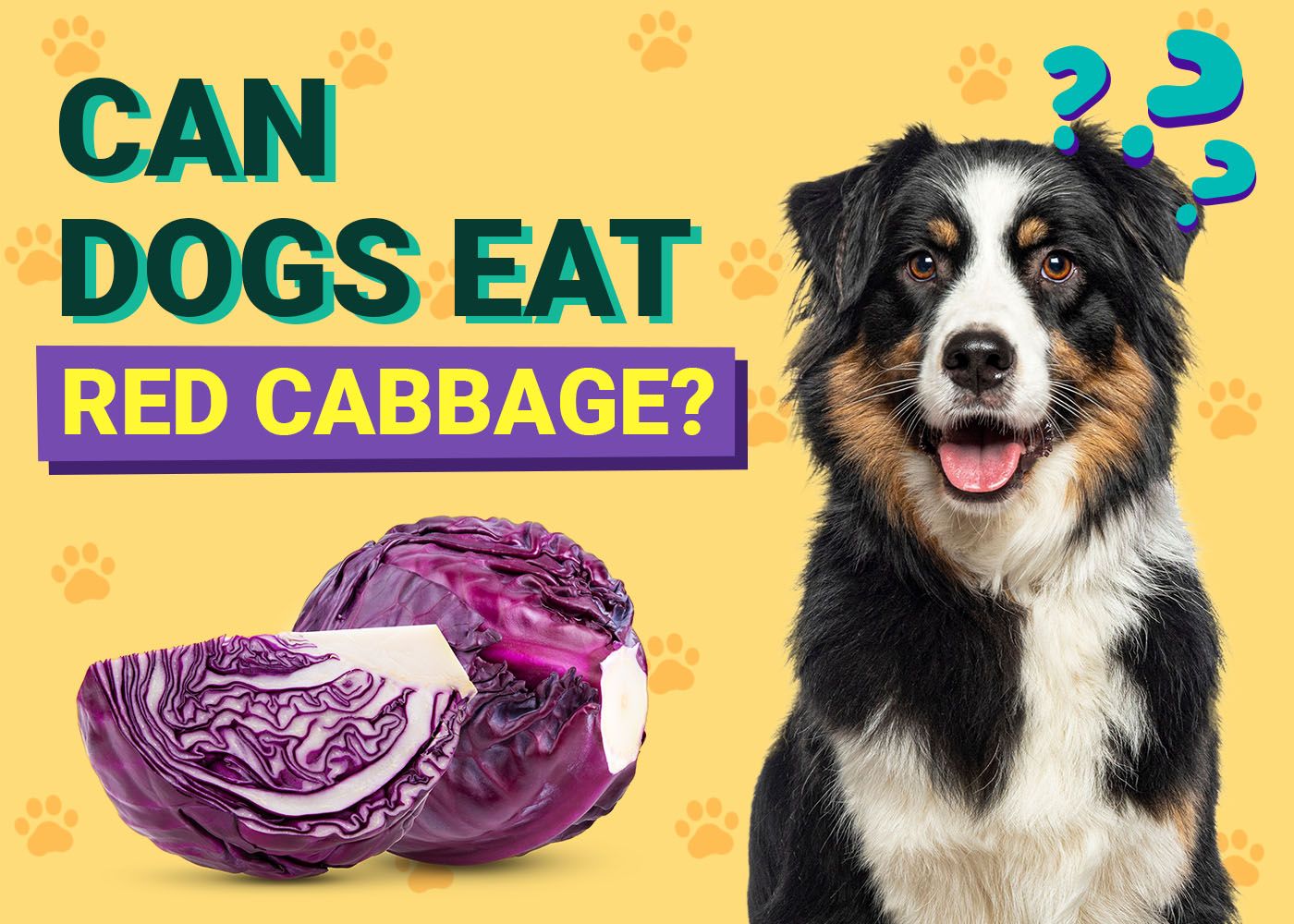
Can Dogs Eat Red Cabbage? Vet-Verified Nutrition Facts & Info


In this article
Finding healthy treats for our dogs isn’t as straightforward as many pet parents might think, especially when considering vegetables. Due to our many biological differences, the plants that benefit us in our diets are often unexpectedly hazardous to dogs. Though something as simple as cabbage may seem harmless, you should feel good about doing your part as a responsible pet parent by researching any ingredient.
Fortunately, red cabbage is one veggie that dogs can consume without issue and may even provide some health benefits. We’ll discuss whether you’ve found a sensible, healthy addition to your pet’s diet by exploring if dogs can eat red cabbage and how it might work in their current routine.

Why Can Dogs Eat Red Cabbage?
Red cabbage (or purple cabbage) is safe for dogs to eat in moderation. Like other cruciferous vegetables like broccoli, Brussels sprouts, and kale, red cabbage is rich in fiber and essential nutrients. It also contains a gram of protein per ½ cup. Dogs enjoy several benefits for digestion, immune system function, and bodily maintenance.
Fiber
Red cabbage is a healthy soluble and insoluble fiber source, helping your dog’s digestion. Soluble fiber absorbs water and lubricates and bulks up stools to moderate intestinal flow and prevent constipation and diarrhea. Plus, it helps dogs feel fuller and lowers their likelihood of overeating and gaining weight.
Good bacteria digest red cabbage fiber to produce short-chain fatty acids that boost cellular health in the gut. This is called prebiotic fiber which helps optimize digestion to provide your dog the most benefit from their food.

Anthocyanins
The vibrant color of red cabbage doesn’t just capture the eye — it offers health benefits, too! Red cabbage gets its hue from high levels of anthocyanins. The water-soluble polyphenols provide a range of cell-protecting antioxidant and anti-inflammatory benefits throughout the body.
Studies have shown significant benefits for canine cognitive health. It found certain anthocyanins found in red cabbage reduce amyloid-beta oligomers, a crucial marker in cognitive dysfunction. Adding anthocyanins can subsequently have a neuroprotective effect as dogs age.
Glucosinolates and Additional Nutrition
Beyond its rich anthocyanin levels, red cabbage is a healthy source of several vitamins and minerals, including beta-carotene, magnesium, and potassium. It’s also high in glucosinolates, which are compounds common in cruciferous vegetables. When broken down, they turn to isothiocyanates, which deliver anti-cancer, antioxidant, and anti-inflammatory effects.
One of the most beneficial isothiocyanates is sulforaphane. The compound inhibits HDAC, which promotes cancer growth.
Red cabbage microgreens have high glucosinolate concentration. No matter the type, you can maximize the isothiocyanates in your dog’s meals by serving the cabbage lightly boiled from raw.
Low Calories
Red cabbage is filling without being heavy in the stomach. The low-calorie, high-fiber vegetable is an excellent addition when managing your dog’s weight. Containing over 90% water, it provides extra benefits by preventing dehydration.

Drawbacks to Feeding Red Cabbage to Dogs
Though red cabbage boasts plenty of perks, dogs don’t get all the nutritional benefits humans enjoy from the crispy salad addition. Though red cabbage is high in vitamin C, this nutrient isn't as essential for healthy dogs since they synthesize all they need in the body. You may even want to limit red cabbage consumption due to its potential for stomach upset.
Gassiness
When eaten excessively, red cabbage can adversely affect the digestive system, notably causing gassiness. While excessive fiber can worsen constipation and cause poor digestion and diarrhea.
Adding to the problem is a sugar in cabbage called raffinose, which ferments in the colon because it is indigestible in the stomach and small intestine. As dogs eat excessive amounts of the leafy vegetable, the raffinose works alongside the high fiber to increase the gassiness.
Thanks to the substantial sulfur content in cruciferous veggies, red cabbage adds a distinct odor with the increased flatulence.
Thiocyanate
Remember those healthy glucosinolates? Well a by product of their metabolism is thiocyanate which interferes with the production of thyroid hormones. While most dogs will need to eat a lot of cabbage to have a problem, it can lead to hypothyroidism.

Is Red Cabbage Better for Dogs Than Green Cabbage?
Red cabbage and green cabbage differ in more ways than color. Alongside its earthy, peppery flavor, red cabbage supplies a few added health benefits that may make it more appealing. Primarily, red cabbages contain significantly more anthocyanin and other nutrients for far more anti-cancer, anti-inflammatory, and antioxidant properties.
How Can I Serve Red Cabbage to My Dog?
While raw cabbage retains the most nutrients, some dogs will do better with cooked red cabbage. Cooking cabbage eases digestion and makes it less likely to cause gas and discomfort. Steaming or boiling for 1–3 minutes is ideal.
The vegetable will soften but retain high levels of healthy anthocyanins and release isothiocyanates in the leaves better than other preparation methods. You can integrate cooked cabbage as a topper for your dog’s commercial food.
You can also ask a Board-Certified Veterinary Nutritionist to incorporate it in a balanced homemade diet with high-quality proteins. Once cooked, cut the cabbage into manageable bite-sized pieces. Monitor your dog’s habits after feeding to ensure they enjoy the taste and don’t show any adverse effects.
Talk to Your Vet About Red Cabbage
Discuss dietary changes with your dog’s vet, even with something as low-risk as red cabbage. Healthy dogs already get the balanced nutrition they need if they eat an age-appropriate, AAFCO-compliant commercial food suitable for their life stage. Adding a small amount of red cabbage may not offer any significant benefit. It could be detrimental if your dog eats too much or has a health condition requiring a particular diet.
Conclusion
Red cabbage is a healthy treat that benefits the gastrointestinal and immune systems. All cabbage is healthy, but the red variety bears an intriguing mix of unique advantages worth considering in a treat. Talk to your vet about your dog’s dietary needs to see how they can enjoy red cabbage’s health benefits today.
Sources
Featured Image Credit: matthiasboeckel, Pixabay
Expert dog care, straight to your inbox
News, insights, expert advice, and everything dog.

No spam — unsubscribe anytime.
By signing up, you agree to our Terms & Conditions and Privacy & Cookies Policy.
How useful was this post?
Click a star to rate. You can leave written feedback afterwards. (We read all feedback.)
Nicole has loved animals of all sizes her whole life so it's no wonder she has dedicated her career to helping them through what she loves best: learning, writing, and sharing knowledge with others. She’s the proud mom of two dogs, a cat, and a human. With a degree in Education and 15+ years of writing experience, Nicole wants to help pet parents and pets around the planet to live happy, safe, and healthy lives.