Can Dogs Eat Lettuce? Vet Approved Facts & FAQs


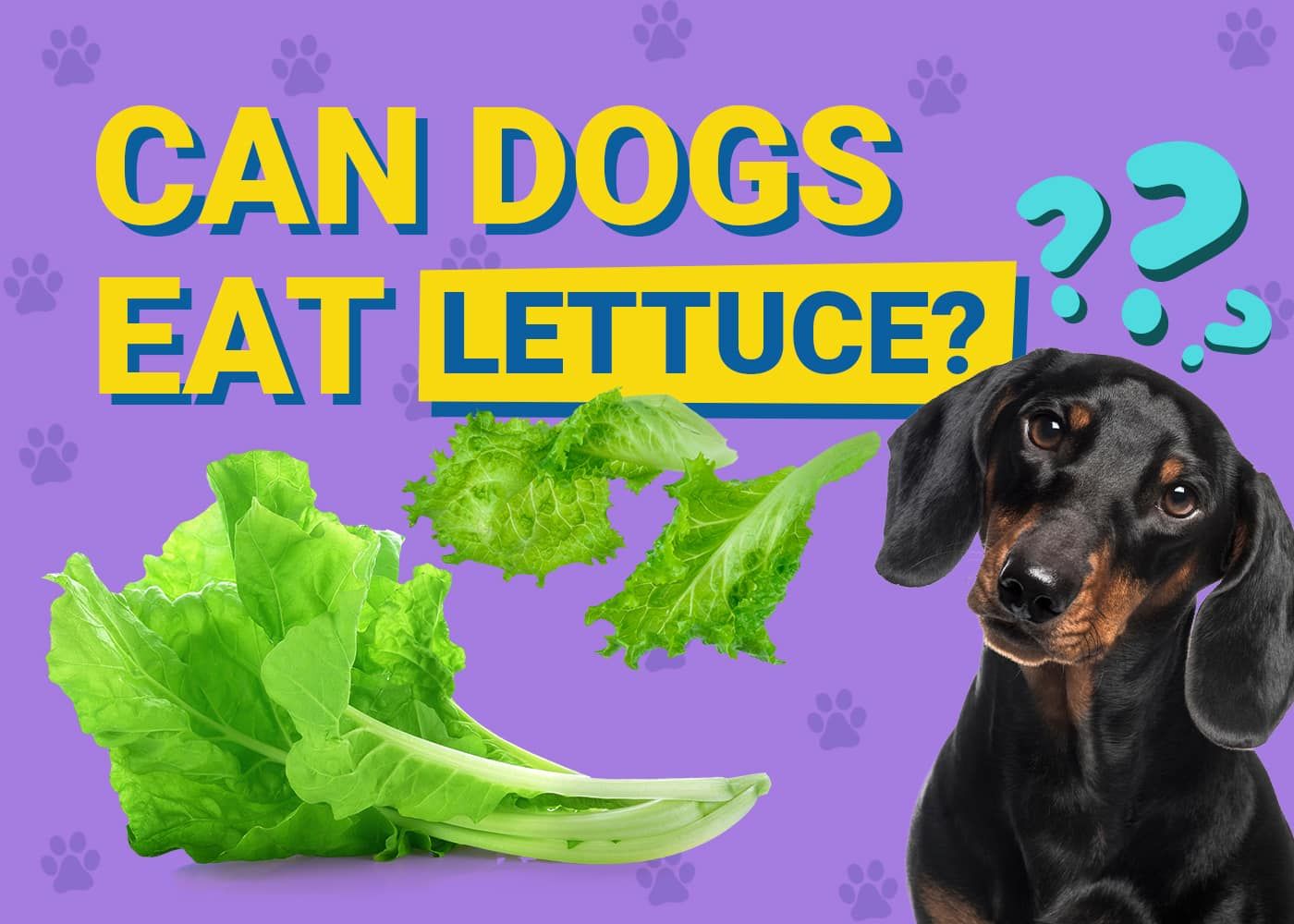
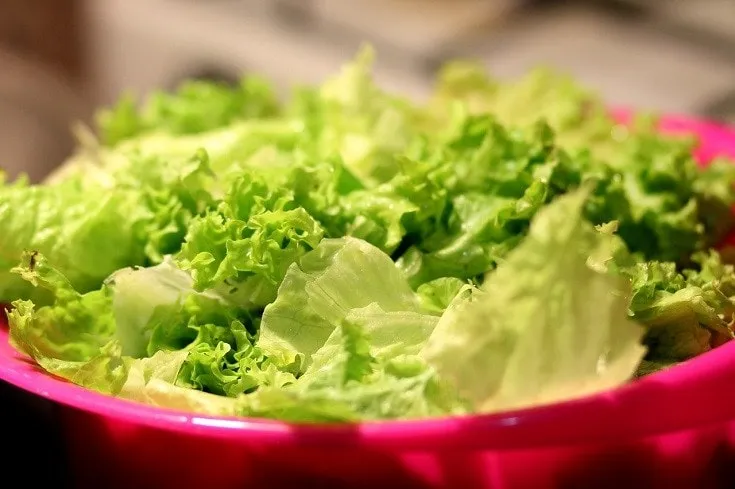
The good news is that, yes, dogs can eat lettuce. Iceberg lettuce, arugula, and romaine are all varieties of lettuce that your dog can eat. Although lettuce is okay for your dog to eat, it doesn’t provide much nutritional value to your pet since it’s made up of about 90% water.
Dogs can eat various fresh fruits and vegetables as treats or as part of a regular diet. Keep reading to learn which fruits and vegetables you can feed your favorite furry friend.

Is Lettuce Healthy For Dogs to Eat?
To be safe and to prevent digestive upset, wash the lettuce thoroughly and cut it into smaller pieces for your pet to munch on more easily. Always keep an eye on lettuce recalls for Listeria or E. coli so you don’t inadvertently feed your dog or yourself contaminated lettuce.
It’s a good source of fiber and contains beta-carotene, which converts into vitamin A in the body. Dogs should only eat lettuce in moderation since it causes diarrhea if too much is consumed.
Which Other Vegetables Can Dogs Eat?
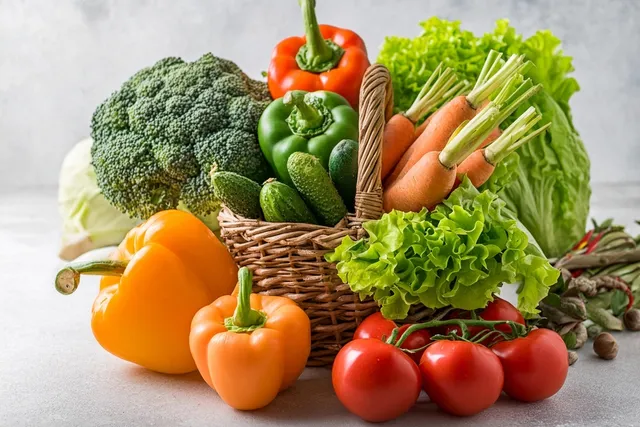
Now that you know dogs can eat lettuce, you may wonder which other vegetables are safe for your dog to eat. Here is a list of safe vegetables for your pet’s snack time:
- Carrots are a surefire winner with most dogs. Packed with vitamin A-producing beta-carotene, carrots are also packed with fiber and give your dog a satisfying crunch when they bite into them.
- Green beans can benefit dogs as long as they are served plain. You can serve them raw, steamed, or chopped up, as they contain loads of fiber and are packed with vitamins and minerals that are healthy for your pup. You can even serve them canned green beans, but make sure you grab either no-salt or low-salt options.
- Broccoli is safe for dogs to eat if it’s chopped up into small enough pieces to prevent obstructions when swallowing. Broccoli is high in vitamin C and fiber, making it a nutritious snack for your pup. Broccoli has been reported to cause mild to severe gastric issues in some dogs, so try a small amount first to see how your dog responds.
- Brussels sprouts are another green veggie that is safe for your pup to eat, and they contain antioxidants and nutrients. They can cause gas in pups if given too much, so don’t overfeed these tasty greens.
- Peas are another tasty option for dogs that they can have in small amounts. They’re high in fiber, protein, minerals, and vitamins. Sugar snap peas, green peas, English peas, snow peas, and garden peas are all acceptable for dogs.
- Celery is safe for dogs to eat and freshens doggy breath. Celery is a source of potassium and promotes heart health in your pup.
- Spinach is okay for dogs in small amounts, but it contains oxalic acid, which can cause the body to no longer absorb calcium. Avoid feeding your pup large amounts of spinach for the long term.

Which Fruits Can Dogs Eat?
There are also a variety of fruits that dogs can eat safely. Here is a list of the top fruits you can feed your pup without worry:
- Bananas are an excellent option for pups to eat in moderate amounts. They provide potassium, fiber, vitamins, copper, and biotin. They are high in sugar, so they should only be given as an occasional treat.
- Raspberries contain antioxidants and are low in sugar and calories, making them a good option for an occasional treat for any dog. They're high in fiber, vitamin C, and manganese and can help dogs with aging joints because of their anti-inflammatory properties. Feed your dog less than a cup of raspberries at a time, as they contain a small amount of xylitol.
- Strawberries are a good choice of fruit for your pup as they contain fiber and vitamin C. They contain sugar, so dogs should only have them as a treat in smaller amounts.
- Blueberries are considered a superfood for canines and humans. They are high in fiber and antioxidants, which have been known to prevent cell damage.
- Apples are low in fat and protein, making them an excellent snack for senior dogs. They are also a source of fiber and vitamins C and A.
- Cucumbers are a great snack option for obese dogs, as they contain no fats, oils, or carbohydrates. Dogs can benefit from cucumbers because they contain vitamins C and K, potassium, and magnesium.
- Pears are also a good snack for a dog, as they're high in fiber and vitamin C. Make sure to remove all seeds and the core since they contain traces of cyanide.
- Oranges are okay for dogs to eat if they show an interest in this citrus fruit. They contain fiber, potassium, and vitamin C. Peeling the oranges and removing the seeds is crucial; only the flesh should be fed to your dog.
- Mangos are packed with vitamins, namely C, E, A, and B6. They also contain beta-carotene, potassium, and alpha-carotene. Make sure to remove the pit since it contains small traces of cyanide. Mangos are high in sugar and should only be given as a treat sometimes.
- Peaches are also safe for dogs to eat in small amounts. Frozen or cut-up peaches provide vitamin A and fiber. Make sure the pit is safely removed.
- Fresh and dried cranberries can be fed to dogs in small amounts if your dog is interested in the tart berries.
- Cantaloupe is a tasty treat that can provide fiber, water, and nutrients to your pup. It's low in calories but high in sugar, which is why cantaloupe should only be given to dogs occasionally.
- Pumpkin is an excellent fruit for your dog for a variety of reasons. It can help your dog’s overall digestion and keep your pet’s skin and coat healthy.
- Watermelon is okay to feed your dog as it contains a high water content and is full of potassium and C, A, and B-6 vitamins. The rind and seeds should be removed before feeding your dog watermelon.
Which Fruits and Vegetables Should Dogs Not Eat?
A few fruits and vegetables should never be fed to your dog since they are toxic or cause other adverse health effects. Fruits that should be avoided include grapes, avocados, tomatoes, and cherries.
Veggies that you shouldn’t give to your dog include garlic, onions, chives, and leeks.
Conclusion
If you’re wondering if your dog can eat lettuce, the answer is yes. They can have romaine, iceberg, and arugula. If you’re looking for additional healthy snacks for your pet, you can select fruits and vegetables on our list. Always thoroughly wash and cut the fruits and vegetables into smaller pieces to avoid choking hazards or digestive issues.
See Also:
Expert dog care, straight to your inbox
News, insights, expert advice, and everything dog.

No spam — unsubscribe anytime.
By signing up, you agree to our Terms & Conditions and Privacy & Cookies Policy.
How useful was this post?
Click a star to rate. You can leave written feedback afterwards. (We read all feedback.)
Shana Loven lives in the Pacific Northwest with her longtime partner and their dog, Bella. She grew up in a large, crazy family with a plethora of pets, ranging from mischievous hamsters to a mob boss of a cat, and several loyal dogs. When she's not using this wealth of experience writing about pets to help out other pet owners, Shana enjoys reading her extensive book collection, crafting miniature scenes, crocheting, and using her former librarian wizardy to conduct research about any topic that interests her.