Can Dogs Eat Leeks? Find Out How Safe They Are!


In this article
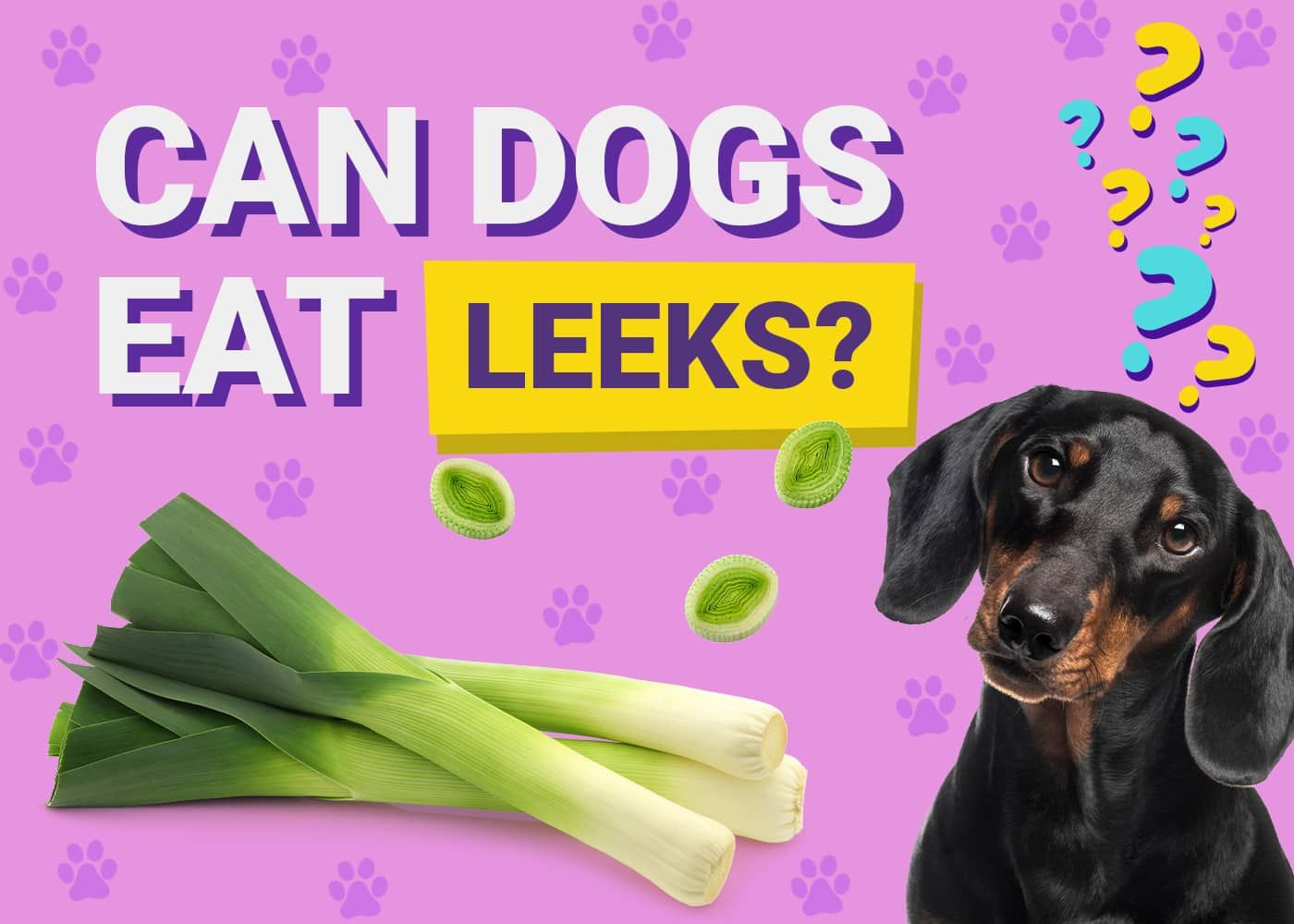
Dogs love to nibble on human food. Most canines would clearly prefer to snack on bits of chicken and slices of cheese than stick to boring old healthy dog food. While most pet parents try to avoid giving their companions too much human food, it's often hard to avoid, but dogs have different sensitivities than humans. Several human-safe foods are toxic to canines, but what about leeks? Unfortunately, the answer is no. Leeks are toxic to dogs1 and can lead to weakness, an elevated heart rate, and rarely, even death.

What About Onions and Chives?
Onions, garlic, chives, and leeks are members of the Allium genus, and they're all poisonous to dogs and cats. Garlic tends to be the most problematic of the bunch since it's about five times stronger than other Allium genus members. Dried, liquid, fresh, and powdered onions, garlic, chives, and leeks are all toxic for dogs.
Dehydrated products are generally far more potent than fresh options, and it doesn't matter if they are cooked or raw, they're still toxic to dogs. Human supplements containing concentrated quantities of leeks or garlic are common sources of trips to the animal hospital.

What if My Dog Eats a Bit of Chicken With Leek?
Your pet will likely be fine if they take precisely one bite of a bit of leek, but in the real world, it's often difficult to determine exactly how much of a toxic substance a dog has actually consumed if they get into human food. And the margin for error regarding Allium poisoning is quite narrow.
All it takes is around ⅓ of a medium-sized raw onion, a member of the same genus as leeks, to poison a 30-pound dog. Be extra careful when cooking with powdered onions, garlic, and leeks, as the dried variants of these plants are far more potent. Just ⅓ of a teaspoon of onion powder is all it takes to induce canine toxicity in a 10-pound dog.
Canine Allium poisoning can result from the regular consumption of small amounts of these vegetables and herbs. There’s a good chance your pet is already getting entirely too much exposure to these harmful substances if they regularly sample your dinner.
Reach out to your veterinarian if your pet consumes any product containing onion, garlic, chives, or leeks. Make sure to tell them precisely what your dog got into. Let them know when your pet ate the product and about how much they managed to get down. Write down any signs to ensure you don't forget to mention something relevant. Your veterinarian will advise you on what steps to take based on factors such as your pet's health, weight, what they consumed, and how much.
Don't wait for your pet to develop signs before contacting your veterinarian, as signs of Allium toxicity sometimes take days to develop, and positive outcomes in affected pets are directly related to the speed at which treatment begins.
What Are the Signs of Allium Poisoning?
Signs of Allium poisoning include vomiting, diarrhea, and abdominal pain. Exposure to members of the Allium genus can irritate your dog's mouth, often resulting in drooling. Other signs include weakness, panting, and bloody urine. Some dogs also have accelerated heart rates.
Members of the Allium genus result in damage to canine red blood cells, leading to anemia and potential organ failure due to lack of oxygen. Breeds of Japanese descent, including the Akita and Shiba Inu, tend to have a heightened risk of developing serious complications after eating onions, garlic, chives, or leeks. Signs often begin to show several days after ingestion, often complicating diagnosis and treatment. However, some dogs throw up soon after eating these plants.
What Kinds of Human Foods Can Dogs Eat?
Simply giving your pet a bit of your own dinner can be problematic. Human food is generally too high in calories, salt, and fat for dogs. Plus, it's too easy to accidentally give your pet food seasoned with something toxic like xylitol, garlic, or onions. However, it’s possible to create tasty, healthy canine treats and snacks at home with products you're using to cook for yourself.
If you eat meat, consider making bone broth for your pet. Instead of purchasing deboned beef or chicken, use meat on the bone. Remove the meat from the bones and cook the protein as you usually would. Put the bones in a pot, add water, and simmer for 12 hours or so. Pour into ice cube molds and freeze to give your pet a yummy treat on a hot summer day, or drizzle it over their kibble to create a delicious treat for your dog. And best of all, this delicious doggy flavoring is reported to come with tons of health benefits, including improved canine liver health and immune function.
It also delivers several nutrients that may lower inflammation and reduce joint pain. It's a great way to increase your pet's fluid intake and often tempts finicky dogs to enjoy a bite or two of their regular diet. Bone broth delivers all the canine nutritional benefits found in bones and bone marrow without exposing your pet to the dangers of chewing on bones.
Other delicious human food options that dogs can safely enjoy include sweet potatoes, pumpkin, and even plain popcorn. Just skip the salt, fat, and other seasonings to keep things healthy for your buddy.


Conclusion
Leeks are toxic to dogs, and they can cause damage to canine red blood cells, resulting in anemia, weakness, lethargy, and even death if enough is consumed. Poisoning can occur when a dog consumes a large number of leeks at one time or cumulatively due to small portions over time. Keeping your food away from your dog and securing any supplements containing Allium ingredients will ensure your pet does not have an adverse reaction. See also:
Expert dog care, straight to your inbox
News, insights, expert advice, and everything dog.

No spam — unsubscribe anytime.
By signing up, you agree to our Terms & Conditions and Privacy & Cookies Policy.
How useful was this post?
Click a star to rate. You can leave written feedback afterwards. (We read all feedback.)
Lorre Luther is a writer from Rotterdam. A former lawyer from the United States, she moved to the Netherlands to follow her dreams and become a writer. Lorre enjoys traveling and reveling in the astonishing beauty of our world. She has a soft spot for animals and is firmly convinced that cats are smarter than humans.