Why Does My Dog Have Small Bald Spots? Vet Reviewed Signs & Causes

In this article
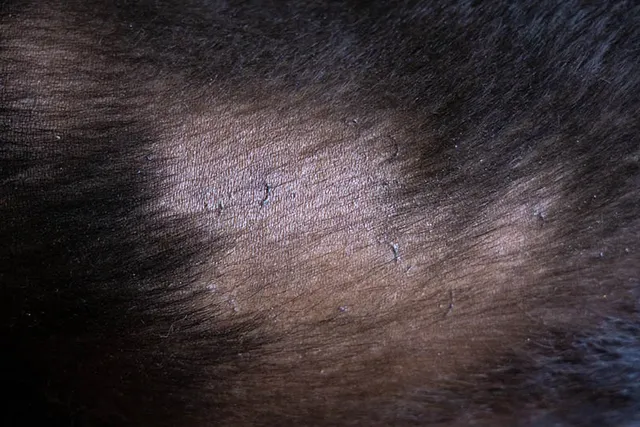
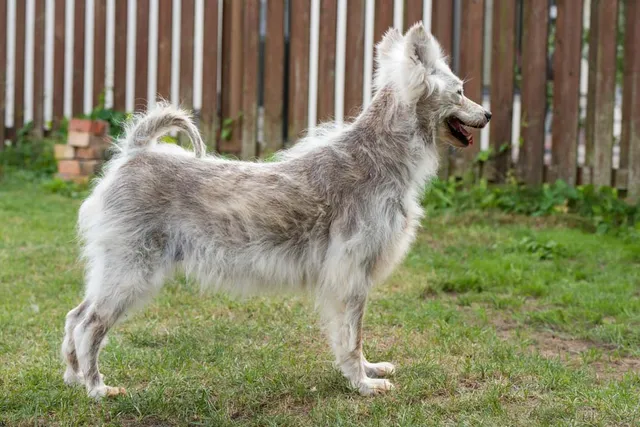
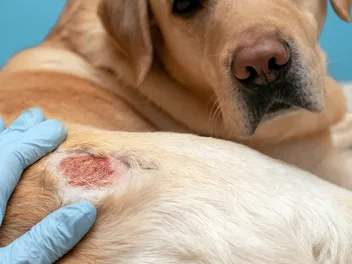
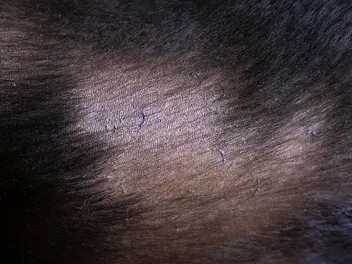
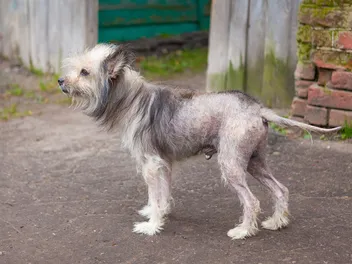
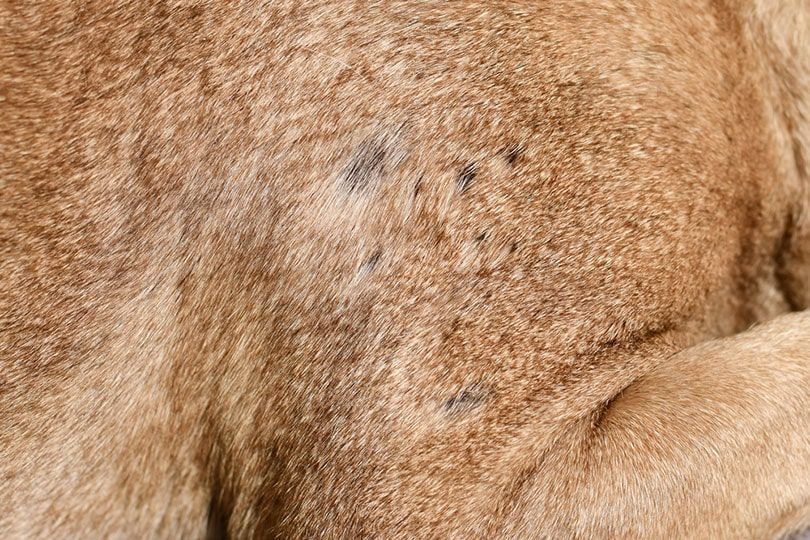
Alopecia is the scientific name for the partial or complete absence of hair from areas of the body where it normally grows. Hair thinning and general loss of fur on your pet is a common reason for an owner to seek help from their veterinarian. Alopecia is not the same thing as shedding, which is a natural and normal process. There are several reasons why alopecia occurs and these need to be investigated if the problem is to be resolved. Examples of problems causing bald spots include parasites, allergies, autoimmune diseases and behavioral issues. Each underlying problem may present hair loss in different locations on the body or in different patterns, so a consultation with a veterinarian is a good idea.

Signs of Alopecia and Bald Spots
Remember, alopecia is a sign of a problem, not a specific diagnosis. Identifying the underlying cause is therefore crucial for effective treatment. Should you observe any of the following signs in your dog, seek veterinary attention promptly, as investigation and further tests may be required to treat or correct any problems and imbalances.
- Patchy hair loss, thinning, and bald spots
- Itching, licking, and scratching
- Red or pink skin
- Inflamed skin that may also ooze, bleed, or smell unpleasant
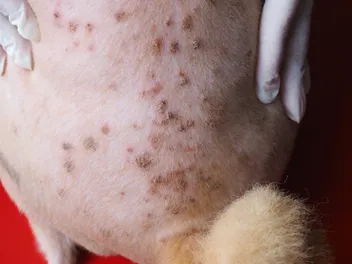
- Sores, scabs, or lesions
- Pustules, papules, and hives on the skin
- Changes in skin texture
- Behavioral changes
- Changes in coat quality
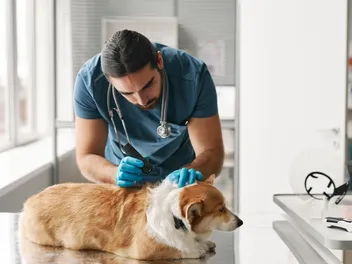
The veterinarian can perform diagnostic tests, such as parasite checks, hair plucks, skin scrapes, blood tests and skin biopsies to determine the cause of the alopecia and recommend an appropriate treatment plan.

What to Do About My Dog’s Bald Spots
If you have noticed a simple bald spot on your dog or you find a small patch of missing hair that appears to be growing in size, it can be quite worrisome. A bald spot on your dog may indicate an underlying condition, but this condition isn’t necessarily serious in nature. A consultation with your vet is always a good place to start.
Some causes of alopecia are more serious than others, so further investigation by your veterinarian may be needed to work out exactly what is going on. Depending on the cause, medication, further tests, dietary changes, environmental alterations, secondary referral, or behavioral help may be instigated.

Causes of Bald Spots in Dogs
There are numerous causes for bald spots in dogs, and it can be a bit of trial and error to get to the bottom of it. However, the following ailments may be responsible, and your vet will run tests to rule them in or out and then will start an appropriate treatment plan.
Allergies
Dogs can develop allergies to certain foods or environmental factors. Allergic reactions often manifest as skin irritation, itching, and hair loss.
Parasites
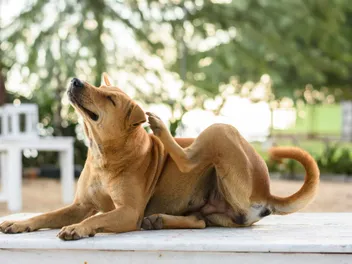
Fleas, ticks, mites and/or lice can cause irritation and lead to intense scratching which will often lead to hair loss. Your vet can perform tests to identify and treat the specific parasite.
If you think you're dog has parasites, we suggest speaking to a vet.
Infections
Bacterial or fungal infections, such as ringworm, can result in bald patches. Bacterial infections are usually uncomfortable and itchy which causes the dog to scratch and traumatize the area. Ringworm isn’t usually itchy, but it causes the hairs to become brittle, so they break off more easily, leaving bald spots. Examination by a veterinarian who can perform tests to determine the type of infection and prescribe appropriate medications is necessary in these cases.
Trauma or Injury
Physical injuries, excessive licking or scratching, and obsessive over- grooming can cause localized hair loss or bald spots on your dog.
Hormonal Imbalances/Endocrine Disease
Hormonal issues, otherwise known as endocrine diseases, such as hypothyroidism (underactive thyroid) or Cushing's disease, may affect your dog's coat and weight and cause hair loss or thinning. These areas of thinning are usually in specific places, depending on the disease process, and will usually be present bilaterally (on both sides of the dog in a symmetrical fashion).

Autoimmune Diseases
Certain autoimmune disorders can result in hair loss, as the immune system mistakenly attacks the hair follicles thinking they are foreign material instead of realizing they are part of the normal self.
Nutritional Deficiencies
Inadequate or inappropriate nutrition can impact the health of your dog's skin and coat and cause hair loss and subsequent bald spots. It is important your dog is fed a complete canine diet suitable for their age, breed, and size.
Genetic Factors
Some breeds are predisposed to certain hair loss patterns due to genetics. Examples of such breeds include Dachshunds, Greyhounds, Whippets and Boston Terriers.
Behavioral Problems
Anxiety and stress due to either physical or emotional upset can affect hair growth, resulting in bald spots. Your vet may offer advice and treatment for this, or they may refer you to a behavioral specialist for identification and correction of the issue causing the behavioral imbalance.

Burns
Damage to your pooch’s skin from burns will often cause a bald patch or loss of hair. The burn may arise from heat, cold, or chemicals.
Environmental Factors
Activities or habits like the consistent rubbing of their bodies against objects, such as walls or trees, can cause areas of thinned hair or bald spots. Older animals that find getting up and moving around difficult may develop thickened areas on their pressure points, such as their elbows and their hocks, where hair won’t grow. This can be a sign that an animal is uncomfortable and that pain management needs to be addressed.
Conclusion
It is worth noting that attempting self-diagnosis or treatment without professional guidance from a veterinarian is not a good idea. Incorrect analysis or treatment may worsen their condition, delay proper care and treatment, and cause your dog further distress.
Skin problems and bald spots can occur for many reasons, and they are very common amongst dogs, so you are not alone. Determining the underlying cause for the bald patches is key, as once this information is known, then correct treatment can begin. In many cases, the hair will grow back too!
See also:
Sources
Featured Image Credit: Firn, Shutterstock
Expert dog care, straight to your inbox
Vet-reviewed advice, training tips, and the best of Dogster. Free, and you can unsubscribe anytime.
By signing up, you agree to our Terms & Conditions and Privacy & Cookies Policy.
Annaliese qualified as a veterinary nurse from Edinburgh in Scotland and went on to obtain a diploma in advanced veterinary nursing in surgery from London. Throughout this time, she worked in both small and mixed veterinary practices and gained head nurse status. Responsible for training other veterinary nurses she also ran the nursing department, nurse clinics and patient care protocols. She has looked after thousands of patients and owners and created new higher standard nursing regimes, whilst specializing in surgery and anesthesia. After being asked to co-author numerous veterinary nursing textbooks, Annaliese continued to write for further mainstream publications in the UK and USA and after twenty-plus years in both the veterinary and pet care professions , she hung up her scrub suit and now writes full-time.
Join the conversation
Ask a question, share your story, or send private feedback.