Alopecia in Dogs: Vet-Verified Causes, Signs & Treatments


In this article
If you have noticed hair loss or new baldness in your dog, they could be suffering from alopecia. Alopecia is abnormal hair loss that is caused by a slew of different conditions. Skin allergies, parasites such as fleas and mites, and hormonal problems, are some of the more common causes. In most cases, alopecia is treated by finding and treating the underlying cause.
If you are worried that your dog’s alopecia might be permanent, you will be happy to learn that it rarely is. Here is everything you need to know about alopecia in dogs, including what exactly it is, what causes it, what the signs are, and some FAQs.

What Is Alopecia?
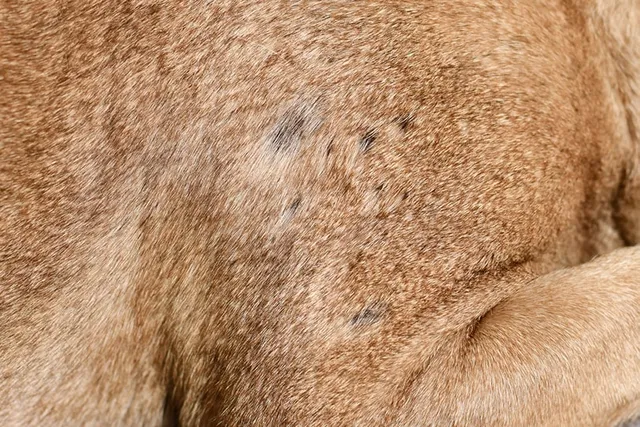
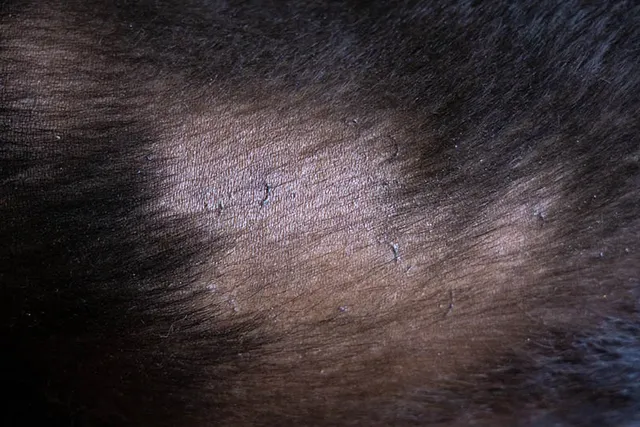
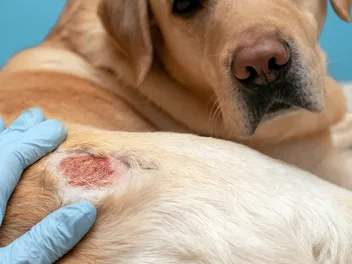
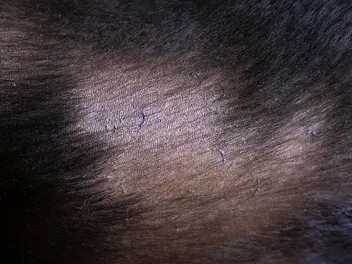
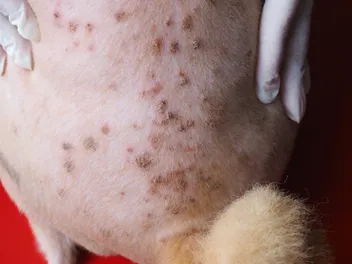
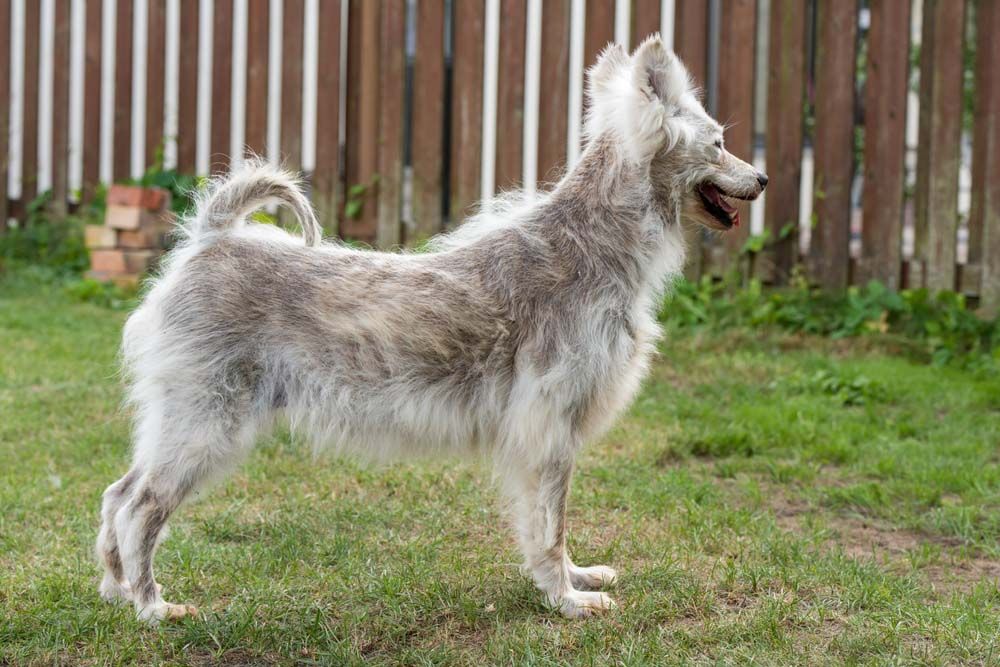
Alopecia is hair loss, or absence, from a part of the body where it would normally be present. Alopecia can present as baldness or patchy/thin fur. Alopecia can also lead to problems with the underlying skin, such as dryness, itchiness, scabs, or discoloration.
Normal hair shedding is based on the natural growth cycle of the hair in the follicles which varies depending on a dog’s breed, age, hormones and time of year. Once a hair has grown, it stays in the follicle until a new hair grows to replace it. The old hair is then shed and the cycle repeats.
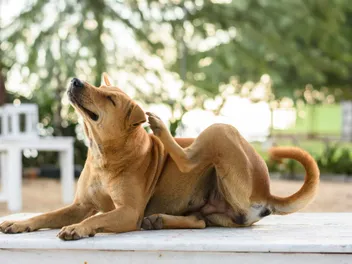
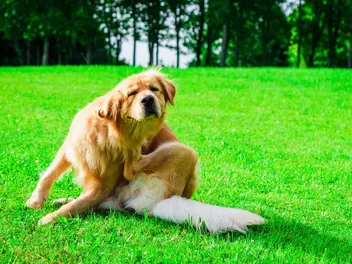
Alopecia can be caused by hair failing to grow at a normal rate, or falling out more quickly than it can grow back. Anything that damages, infects or inflames the hair follicles can affect new hairs growing. If a dog is itchy they may damage the skin and break or pull out hair through scratching and chewing.


What Are the Signs of Alopecia?
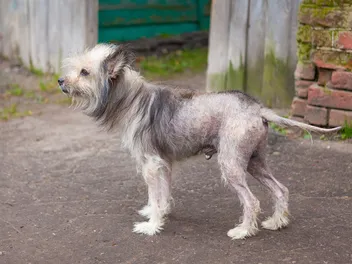
The most common sign of alopecia is missing hair. Bald spots or thinning of the fur and lack of hair growth are the primary signs of alopecia. Depending on the underlying cause of the alopecia there may be other signs that accompany the hair loss.
It can be helpful to look out for and inform your vet of other signs including:
Contact your vet if your dog is suffering from hair loss. The sooner they can diagnose the underlying cause and start appropriate treatment the better.
What Are the Causes of Alopecia?
Alopecia in dogs has a large number of causes. There are over a dozen common causes of alopecia in dogs, plus a handful of uncommon causes.

Congenital
Congenital alopecia, meaning the dog was born with abnormally functioning hair follicles, is less common cause of hair loss. Congenital alopecia can present at or shortly after birth, or it can develop as the dog ages and becomes a young adult. Some forms of congenital alopecia are hereditary.
Acquired
Acquired alopecia is much more common than congenital alopecia and means that the dog was born with a normal coat and hair follicles and another condition causes the hair loss.
There are numerous different conditions that can cause alopecia including:

How Do I Care for a Dog With Alopecia?
Caring for a dog with alopecia is going to look different for almost every dog. Since alopecia has such a wide array of different causes, care is going to have a similarly wide array of options. The key to caring for a dog with alopecia is identifying the underlying cause.
You should ensure that the areas of exposed skin are clean and dry while you prepare to gather more information from the veterinarian. If the hair loss has been caused by severe problems such as trauma or burns, treatment of the alopecia will come second to treating the more urgent problems. In addition you can protect any exposed skin from sun damage by using a pet safe sunscreen. If your pet is suffering from contact alopecia on their elbows then make sure they have soft bedding to lie on.
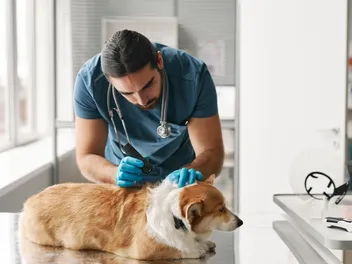
Your veterinarian will thoroughly examine your dog, and look at where the hair is thin or bald, their age and breed, how long the problem has been going on for, and any other signs such as itchiness. Depending on their findings they may recommend other tests such as taking skin and hair samples to examine under the microscope, investigating suspected allergies and blood testing.
Treatment is going to wholly depend on the underlying cause. Your vet might prescribe skin care products that target infection, fungi, parasites, and more. If the underlying cause is dietary or nutrition related, your vet will recommend a change in diet or supplements to boost skin and hair health. Dogs with widespread alopecia might need to limit their exposure to direct sunlight during the summer months to prevent sunburn and use sunscreen.


Frequently Asked Questions
Is Alopecia Permanent in Dogs?
Sometimes, but not usually. In rare cases, alopecia can be permanent in dogs, but most of the time, the underlying causes result in temporary alopecia. Most cases of alopecia can be treated by finding the underlying cause and treating it. Once the problem is resolved or managed, hair growth should return to normal.
There are rare cases of genetic alopecia causing permanent baldness in some dogs. Other things, like severe scarring, can result in permanent damage to the hair follicles that can make alopecia permanent.
Is Alopecia Painful for Dogs?
Alopecia itself is not painful for dogs. However, the underlying cause of the alopecia can be painful. For example, if the alopecia is being caused by itchiness, a dog can experience pain that will lead them to scratch. That scratching can cause further damage to the skin and wounds which also cause pain.
Is Alopecia Different from Shedding?
Yes. Alopecia is different from shedding. Shedding is a normal part of your dog’s hair growth cycle and the amount and frequency will depend on their breed.
Conclusion
Alopecia seems concerning, and in some cases, it is. However, although occasionally the hair loss will be permanent, fortunately most cases of alopecia are treatable. If your dog starts losing hair it is important to consult with your vet so they can identify the underlying cause and start appropriate treatment as soon as possible.
See also:
Sources
Featured Image Credit: Zanna Pesnina, Shutterstock
Expert dog care, straight to your inbox
News, insights, expert advice, and everything dog.

No spam — unsubscribe anytime.
By signing up, you agree to our Terms & Conditions and Privacy & Cookies Policy.
How useful was this post?
Click a star to rate. You can leave written feedback afterwards. (We read all feedback.)