Why Does My Dog Itch So Much But Has No Fleas? Vet-Reviewed Possible Reasons & What to Do



In this article
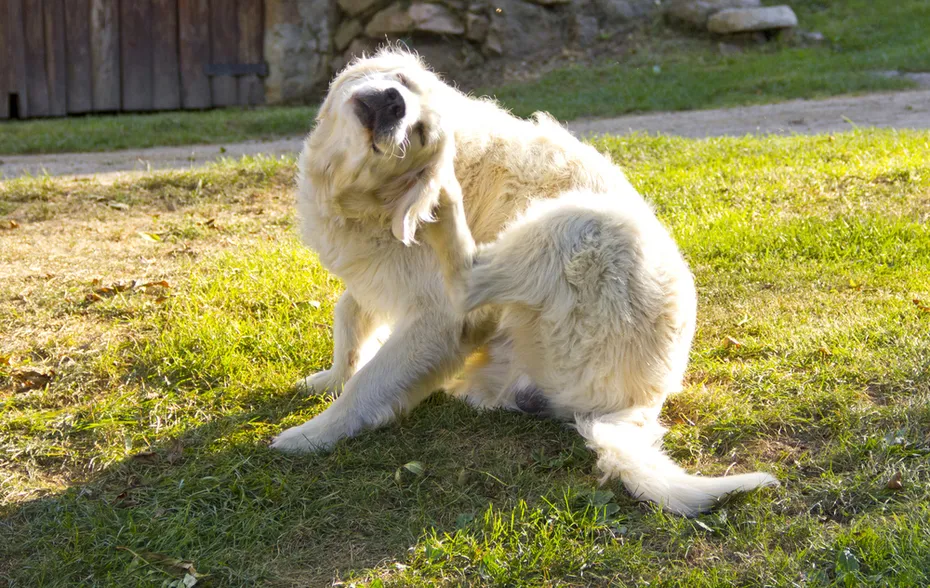
A lot of the time, when a dog starts scratching away, it’s because they’ve gotten fleas. As horrible as that is, it’s fairly easily resolved with flea medication and lots of vacuuming and cleaning. But what if your dog is constantly scratching and biting himself but there are no fleas to be found? What does that mean?
If your dog is constantly scratching but there isn’t a flea in sight, there are four possible other reasons for the itchiness. We’ll look at these reasons below, as well as what you should do to remedy the issue. We’ll also tell you what sorts of treatment your vet might use for these and a few ways you can help your dog's itchiness at home.

The 4 Reasons Your Dog is Scratching When They Don't Have Fleas
1. Parasites
It’s important to note that just because you don’t physically see fleas or flea dirts on your pet, it doesn’t necessarily mean their itching isn’t caused by fleas. For some dogs with flea allergy dermatitis (FAD) just one or two flea bites can make your pup very itchy.
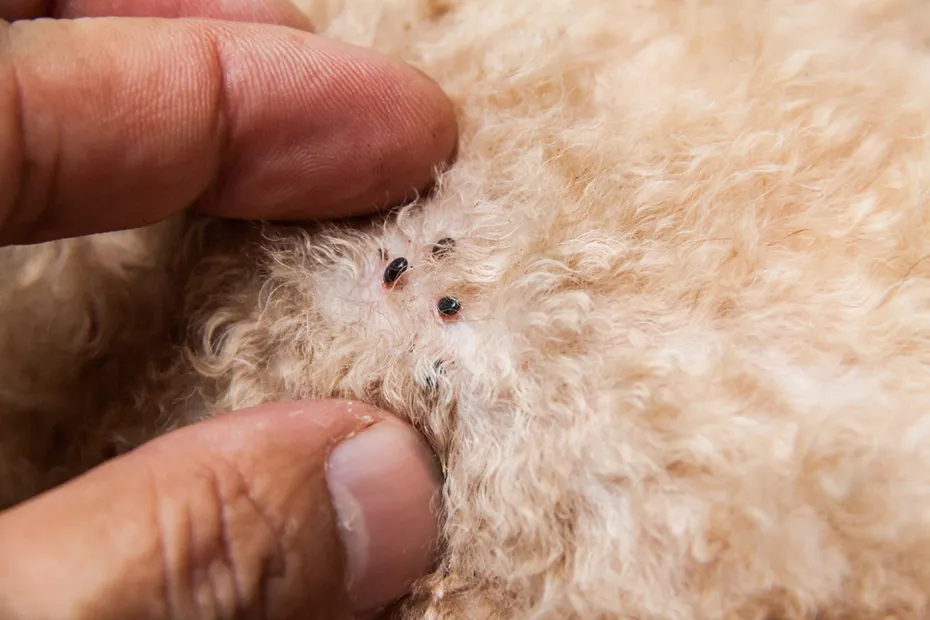
However, if fleas have been ruled out and your dog is on regular prescription flea preventatives then there are other parasites that might be causing the itching, such as ticks and mites. Ticks burrow their mouthparts into the skin and can cause irritation. This parasite can also transmit diseases, like Lyme, which could cause serious health problems for your pup. If you and your pet enjoy the great outdoors during tick season, always check them carefully for ticks when you bring them back inside! Also, be sure to give your pet a tick preventative to help reduce the risk of acquiring ticks.
Dogs can also get mange caused by microscopic mites that burrow into the skin to feed and live. There are two types of mange that can affect dogs, sarcoptic and demodectic and both can cause itching and secondary skin infections.
2. Food Allergies
Canines can develop food allergies, most often to animal proteins like beef or chicken. Food allergies don't occur that often in dogs (environmental allergies are more common), but they can happen and cause itchiness when they do. As well as itchy skin and ears they can also cause gastrointestinal problems like vomiting and diarrhea.
The only way to accurately diagnose food allergies in dogs is to remove all the currently fed foods and start a strict elimination diet trial under your vet’s direction. Unfortunately currently available blood and saliva tests are not reliable.
3. Environmental Allergies
Environmental allergies could also be the culprit. Environmental allergies are precisely what they sound like—allergies related to things in the environment. Many things, including pollen, dust mites, and mold, could cause these allergies. Environmental allergies typically cause skin itchiness, particularly on the paws, face, and belly. This is another instance where consulting a vet is best.
4. Skin Infections
Finally, if it isn’t fleas, it could very well be a skin infection. Certain bacteria and yeasts live on dog skin without causing issues, however if the skin is damaged or they are suffering from other health conditions like hormonal conditions and allergies, they can overgrow and lead to an infection. The two most common types of skin infections in dogs are staphylococcal bacterial infection and yeast dermatitis caused by Malassezia.
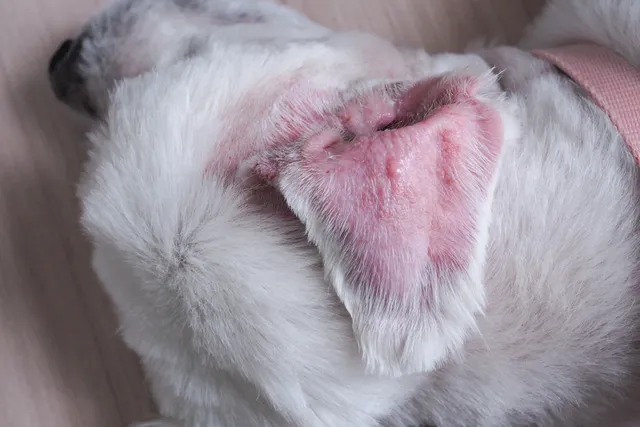
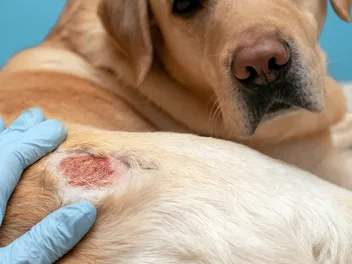
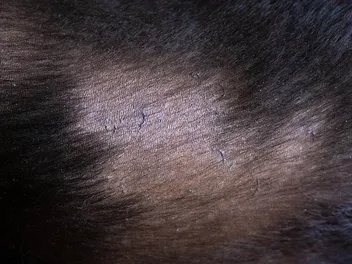
Along with itching, your dog may have red inflamed areas of skin, and hair loss. If you see these signs, bring your pet to the vet as soon as possible. Once your vet has diagnosed the cause, infections can be treated with antibacterial or antifungal topical washes or oral medications. Any underlying causes will also need to be identified and addressed by your vet.

What Should I Do for My Dog’s Itchy Skin?
Your best bet is to take your dog to the vet so they can receive a diagnosis about what is causing their itchiness (this is especially true if your dog is scratching, licking, or biting at themselves excessively). Your vet will run tests to figure out the issue's root cause. Once that is discovered, treatment can begin.
Treatment depends on what exactly your canine companion is dealing with but could include:
There are also ways to help your pup at home if you know what is causing their itchiness. For canines with environmental allergies and sensitive skin, use a hypoallergenic shampoo designed to soothe itchiness when you give them a bath. Consider bathing your pup more frequently to wash allergens out of their coat, too.
A prescription diet may be helpful for a dog dealing with constant itchiness. This will, of course, require a prescription from your dog’s vet, but these sorts of food typically contain ingredients meant to reduce inflammation and boost skin health.
Talk with your vet about whether an essential fatty acid supplement, containing the right balance of omegas 3 and 6, would be beneficial for your dog. Essential fatty acids help keep the skin in good condition, can ease inflammation and may make a dog’s skin less reactive to the allergens around them.


Conclusion
If you have an overly itchy dog that doesn’t have fleas, then one of the causes above is likely why they’re so itchy. If your pup is suffering from extremely itchy skin, it’s best to take them to the vet to determine what is causing the issue. This way, your pet can begin proper treatment and get rid of itchiness sooner rather than later. You can also help by using itch-soothing shampoo and talking with your vet about a prescription diet or an essential fatty acid supplement!
Featured Image Credit: ElenaYakimova, Shutterstock
Expert dog care, straight to your inbox
News, insights, expert advice, and everything dog.

No spam — unsubscribe anytime.
By signing up, you agree to our Terms & Conditions and Privacy & Cookies Policy.
How useful was this post?
Click a star to rate. You can leave written feedback afterwards. (We read all feedback.)
Misty Layne lives out in the woods in small-town Alabama with her two Siamese - Serafina & Jasper. She also has an array of stray cats, raccoons, and opossums who like to call her front porch home. When she’s not writing about animals, you’ll find her writing poetry, stories, and film reviews (the animals are, by far, her favorite writing topic, though!). In her free time, Misty enjoys chilling with her cats, playing piano, watching indie and foreign films, photographing abandoned places, and catching up on her never-ending TBR list.