Hypothyroidism in Dogs: Signs, Causes, Care & FAQ (Vet Answer)

In this article
Hypothyroidism in dogs is a very common endocrine disease. Amongst our pets, this disease is most common in middle aged to older dogs, typically medium to large breeds. However, we can see it in any size and almost any age dog, though it would be extremely rare in a puppy or juvenile dog. In this article we’ll discuss what hypothyroidism is, what the signs are, and how to care for your dog if they are diagnosed with hypothyroidism.

What Is Canine Hypothyroidism?
The prefix “hypo” means beneath or below. Therefore, hypothyroidism is the term for an underactive thyroid, or thyroid hormone levels that are below normal.
The thyroid is a two-lobed gland that is found in the neck area of all healthy dogs, just below the larynx (or the voice box) of the dog. The thyroid gland is involved in helping to control the metabolic rate of the body and can have effects on multiple organ systems. When a dog has an underactive thyroid gland, or hypothyroidism, they have a lower-than-normal metabolic rate.

What Are the Signs of Canine Hypothyroidism?
As mentioned above, hypothyroidism is most common in middle aged to older dogs, typically medium to large breeds. However, any size dog can be affected. There’s been some evidence that hypothyroidism is more common in spayed females and neutered males versus intact dogs (dogs who have not been fixed).
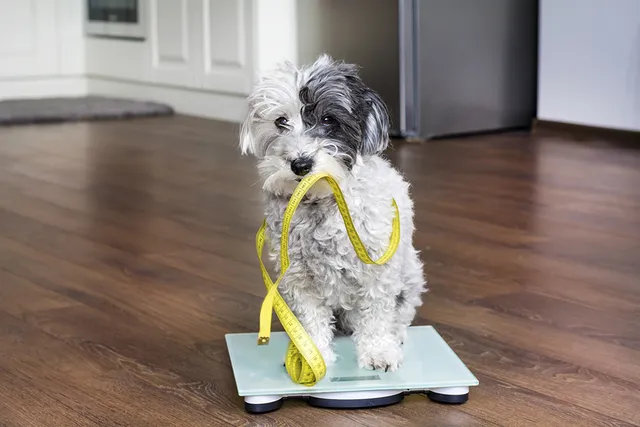
The most classic sign in dogs is being overweight. Now, this can be difficult to discern from dogs just getting too many table scraps (we all do it). But it becomes apparent if you really are monitoring your dog’s food intake, or they are even on a reduced calorie food, and they still continue to gain weight.
Other signs include a pot belly, thinning hair coat or alopecia, or even hair that doesn’t grow back after it’s shaved during grooming or wound care. Some dogs will also get chronic flare-ups of allergies that don’t seem to improve despite medications, thickening of the skin, or other abnormal dermatologic signs. Dogs can also be more lethargic than normal, and rarely they will drink and/or urinate more frequently.
In intact dogs, hypothyroidism can also cause issues with normal cycles, fertility, and the ability to both become pregnant and carry a pregnancy to term. Rarely there can be neurologic side effects associated with hypothyroidism.
If you're concerned about your dog's health we suggest you speak to a vet.
What Are the Causes of Hypothyroidism in Dogs?
In dogs, hypothyroidism is most commonly caused by one of two things – lymphocytic thyroiditis or idiopathic atrophy of the thyroid gland. The most common of these two is lymphocytic thyroiditis which is thought to be an auto-immune disease. In other words, for some reason, a dog’s body will suddenly view the thyroid gland as foreign (such as a bacteria or virus) and attack it. Once this occurs, the thyroid gland becomes damaged and underactive.
Idiopathic thyroid gland atrophy means that the thyroid gland regresses in size (atrophy) due to an unknown cause (idiopathic). In affected dogs, the thyroid tissue is then replaced by fat. In either cause, research is still unclear what the triggers are for either to start, and why some dogs are affected and others are not.
Rarely, dogs may develop hypothyroidism from a cancerous tumor, secondary effects of drugs, and juvenile-onset hypothyroidism.
How Do I Care for a Dog With Hypothyroidism
First and foremost, your veterinarian will need to accurately diagnose hypothyroidism in your dog, making sure that the levels are not falsely decreased on bloodwork from other underlying diseases.
Luckily, most dogs do well on oral thyroid supplementation. Most dogs will take a synthetic thyroid hormone called levothyroxine either once or twice a day. This medication helps to increase and restore circulating thyroid hormone, helping with your dog’s metabolism and reversing the abnormal signs.
Once your dog is on supplementation, it’s important to complete follow-up bloodwork with your veterinarian every few months. Depending on your dog, your veterinarian may want to monitor full bloodwork or just the thyroid levels. Regular bloodwork monitoring is important to make sure that your dog is on the correct dose of thyroid supplementation and to monitor other diseases that may become more common as your dog ages.

Frequently Asked Questions (FAQ)
How Is Hypothyroidism Diagnosed?
Hypothyroidism is easily diagnosed on bloodwork showing both a decrease in total serum thyroid concentrations (T4) and free T4. Oftentimes TSH (thyroid stimulating hormone) is also decreased. While total T4 is routine on senior bloodwork, confirmatory blood testing checking the free T4 and TSH is needed for a definitive diagnosis.
How Long Will My Dog Need to Be Treated?
Treatment for hypothyroidism in dogs is lifelong. Once your dog is on thyroid supplementation, they will need to be on it for the rest of their life. While dosages and/or frequency of the medication may change, completely stopping treatment will result in the side effects of hypothyroidism returning in addition to potentially decreasing your dog’s overall health and lifespan.
What Is the Prognosis If My Dog Has Hypothyroidism?
Overall, the prognosis is good! With an accurate diagnosis, appropriate treatment, and regular blood testing, most dogs do great long-term. It can’t be stressed enough how important regular bloodwork is so that medication adjustments can be made sooner rather than later.
Conclusion
Hypothyroidism is a common endocrine disorder of dogs. This disease is most common in middle aged to older dogs, typically medium to large breed dogs. Classic abnormal signs include weight gain, hair loss, uncontrolled allergies, and other skin changes. Luckily hypothyroidism is easily diagnosed with bloodwork and can be treated with oral medications given once or twice daily lifelong. The prognosis is good if your dog has hypothyroidism as long as diagnosis, bloodwork monitoring, and treatment is done under the supervision of a veterinarian.
Sources
Featured Image Credit: Taps Das, Shutterstock
Expert dog care, straight to your inbox
News, insights, expert advice, and everything dog.

No spam — unsubscribe anytime.
By signing up, you agree to our Terms & Conditions and Privacy & Cookies Policy.
How useful was this post?
Click a star to rate. You can leave written feedback afterwards. (We read all feedback.)
Dr. Kim Podlecki DVM (Veterinarian)
A graduate of The Ohio State University College of Veterinary Medicine, Dr. Podlecki has more than 12 years of experience working with small animals in the US. Dr. Podlecki worked almost exclusively in specialty medicine and emergency for more than a decade before transitioning to relief in both general practice and ER. Dr. Podlecki also owns her own consulting company (renewvetconsulting.com) with the focus of helping veterinary hospitals prioritize their staff to promote a healthier internal culture.