Dogster is reader-supported. When you buy via links on our site, we may earn a commission at no cost to you. Learn more.

Dog Health & Care

Pain-Elicited Aggression in Dogs: Vet-Reviewed Signs & Solutions

Nicole Cosgrove
By Nicole Cosgrove · Reviewed & fact-checked by Dr. Paola CuevasVet Approved
Dr. Paola Cuevas
Reviewed & Fact-Checked byDr. Paola CuevasVeterinarian
Dr. Paola Cuevas is our Senior In-House Veterinarian at Dogster and Pangolia. She has over 19 years of experience working with an array of species and loves sharing her knowledge and experience with our readers and aims to provide assistance with any issue presented by your non-human family members. She received her degree from the University of Guadalajara, Mexico.View authorThe information is current and up-to-date in accordance with the latest veterinarian research. Learn more
Updated on June 17, 2026
Share
dog in pain aggressive

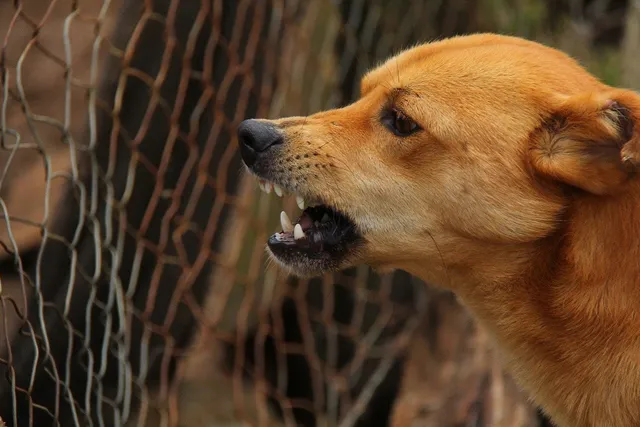
We think of dogs as cute, fun, and sometimes cuddly creatures. However, some dogs can develop aggressive behavior, and it is our job as owners to figure out why so the problem can be addressed. One reason for aggression in dogs is pain. This is typically referred to as pain-elicited aggression or pain-related aggression, and it could affect any dog at any time during their life.

Here is what you need to know about pain-elicited aggression in dogs and how to handle it if it happens to your pup.

divider single dog paw oct 2024

What Exactly Is Pain-Elicited Aggression in Dogs?

This type of aggression is displayed when a dog is in some kind of pain and wants to keep people—even their owner—from touching or handling them due to their discomfort or even just the fear of increased pain. The source of the pain may not be readily apparent and could come on suddenly, so many owners never expect pain-elicited aggression to take place, and they are caught off-guard. A common reason for pain-elicited aggression is heredity disease, such as hip dysplasia.

Sometimes, the pain is caused by an external and visible injury, in which case, you may be able to determine the type of injury and avoid touching the area. Other times, internal pain is the reason for the aggression. Even if we cannot see an injury, touching the canine might produce a feeling of discomfort because the source of pain is internal. The canine will soon associate a touch with discomfort. Therefore, the dog might growl or snap if someone gets too close or moves an arm toward them—no actual touching is required.

Image Credit: Yta23, Shutterstock

How to Know If Your Dog Is Displaying Pain-Elicited Aggression

Pain-elicited aggression usually comes on suddenly and without warning. One day, your dog might be affectionate and cuddly; the next, they suddenly start shuddering whenever you go near them. If your dog is usually non-aggressive toward people and animals and suddenly becomes aggressive, especially when being touched or handled, chances are that they are in pain.

Pay attention to when your dog starts becoming aggressive. Does it happen only when attention is turned to them and they feel like they will be touched or handled, or is it happening at any time without provocation? This will give you a good idea of what you are dealing with. Schedule an appointment or consultation with a veterinarian as soon as possible to rule out pain-elicited aggression.

What Can Be Done About Pain-Elicited Aggression in Dogs?

The only thing that can be done about pain-elicited aggression in dogs is to identify and treat the source of pain. If it's obvious, such as a small cut, you can clean and isolate the area with bandages and ensure that you and other household members avoid touching the injured area until it is healed. If the injury is larger or looks too swollen or infected, follow the veterinarian's instructions about how to care for that particular injury. You may need to put a muzzle or cone on your dog while tending to the injury for your own safety.

If you are unsure what the source of pain is, check with your veterinarian. They will do a physical examination to help determine the source and figure out how to properly address it. They may need to perform various diagnostic tests, such as blood tests, X-rays, or ultrasounds to determine the cause of pain. Once your veterinarian is diagnosed, the treatment plan to address the cause will be explained to you. Be prepared, though, as it could require anything from medication to surgery.

Pet behaviors can be caused by all kinds of things, but sometimes the source is medical. You can manage veterinary costs with the help of a pet insurance company like Lemonade, which offers adjustable plans and balanced coverage.

divider dog paws 3 oct 2024

In Summary

Pain-elicited aggression in dogs cannot be foreseen. You never know when it will creep up or exactly why. You now know, though, that if your cuddly pup suddenly changes their attitude and does not allow you to get near them, they need a vet check. This way, you can figure out what exactly is going on and give them the care and help that they need.

Looking for other forms of aggression in dogs? Try:


Featured Image Credit: Bonsales, Shutterstock

The Dogster Newsletter

Expert dog care, straight to your inbox

News, insights, expert advice, and everything dog.

No spam — unsubscribe anytime.

By signing up, you agree to our Terms & Conditions and Privacy & Cookies Policy.

Click a star to rate. You can leave written feedback afterwards. (We read all feedback.)

Nicole Cosgrove
Authored by

Nicole Cosgrove

Leave a Reply

You're very welcome to leave a comment or question. Please know that all comments must meet our community guidelines, and your email address will NOT be published. Let's have a positive and constructive conversation.

Why Is My Dog Becoming Aggressive? 10 Vet-Verified Reasons Explained

Why Is My Dog Becoming Aggressive? 10 Vet-Verified Reasons Explained

Aggressive behavior is a serious issue, particularly if you have small children or seniors in your household, as they are the most common victims. Aggression i…

Chris Dinesen Rogers
By Chris Dinesen Rogers · 2 months ago
Stopping Aggressive Behavior in Dogs: Vet-Verified Tips

Stopping Aggressive Behavior in Dogs: Vet-Verified Tips

If you’ve got an aggressive dog on your hands, whether they frequently act out in aggression or have seemingly random bouts of it, you are not alone. Aggressiv…

Nicole Cosgrove
By Nicole Cosgrove · 4 weeks ago
Frustration-Elicited Aggression in Dogs: Vet-Verified Info & How to Stop it

Frustration-Elicited Aggression in Dogs: Vet-Verified Info & How to Stop it

Even the most sweet-natured dog can suffer bouts of aggression from time to time. While this is normal, it shouldn’t be ignored, as it could lead to injury for…

Quincy Miller
By Quincy Miller · 1 month ago
The 10 Types of Dog Aggression: Vet-Approved Facts & FAQ

The 10 Types of Dog Aggression: Vet-Approved Facts & FAQ

Aggression in dogs is a serious issue that some owners find themselves needing help with. A dog may exhibit aggressive behavior for several different reasons,…

Kathryn Copeland
By Kathryn Copeland · 2 months ago

Fear Aggression in Dogs: Vet-Verified Signs, Triggers & Tips

Aggression is one of the most commonly cited reasons that a person gives up their dog. When your dog is acting aggressive, it can be downright scary, not to me…

Dean Eby
By Dean Eby · June 29, 2026
Fear Aggression in Dogs: Vet-Verified Signs, Triggers & Tips

My Dog Snapped at Me: 4 Possible Reasons (Vet-Reviewed)

We count on our dogs for cuddles and romps around the house. We love engaging in play with them and taking them on their daily walks. But what happens when all…

Ashley Bates
By Ashley Bates · June 17, 2026
My Dog Snapped at Me: 4 Possible Reasons (Vet-Reviewed)

How Do Dogs Feel Pain? Differences With Humans & Signs to Look For

Whether your dog’s suffering from a bee sting or healing from surgery, injuries will be a part of their life. If you’re lucky, those aches and pains will be mi…

Chelsea Mortensen
By Chelsea Mortensen · June 16, 2026
How Do Dogs Feel Pain? Differences With Humans & Signs to Look For

Why Is My Dog Agitated? 5 Vet-Verified Causes

When we describe a dog as being agitated, we are observing a pup appearing anxious or upset about something. Canines can feel distress, fear, anger, or frustra…

Chris Dinesen Rogers
By Chris Dinesen Rogers · June 17, 2026
Why Is My Dog Agitated? 5 Vet-Verified Causes

Putting Down an Aggressive Dog: When Do I Know It's Time? (Vet Approved)

When managing a dog’s problematic behaviors, euthanasia rarely ranks high on the list of possible solutions, if it’s considered at all. We adore our pets, and…

Nicole Cosgrove
By Nicole Cosgrove · June 17, 2026
Putting Down an Aggressive Dog: When Do I Know It's Time? (Vet Approved)

Back Pain in Dogs: Our Vet Explains Signs, Causes & Treatment

You probably know that back pain is common in us two-legged humans. Many people don’t know, however, that back pain is also relatively common in their four-leg…

Dr. Joe Mallat
By Dr. Joe Mallat · June 17, 2026
Back Pain in Dogs: Our Vet Explains Signs, Causes & Treatment

7 Signs a Dog Is Uncomfortable & How to Help (Vet-Reviewed)

Dogs can’t speak to us directly, but they can communicate their feelings and emotions through their actions. Most owners are in tune with their dogs and their…

Matt Jackson
By Matt Jackson · June 17, 2026
7 Signs a Dog Is Uncomfortable & How to Help (Vet-Reviewed)

Do Dogs Get Headaches? Vet-Approved Signs & FAQ

Headaches are a common ailment for humans, and with no external signs, one that is difficult to measure or quantify. Headaches can happen for a variety of reas…

Jessica Kim
By Jessica Kim · June 17, 2026
Do Dogs Get Headaches? Vet-Approved Signs & FAQ

Love Dogs? So Do We! Join the Dogster Community

Stay informed with expert pet care insights delivered straight to your inbox! Discover professional guidance on animal behavior, feeding tips, trusted product picks, and much more.

You may opt-out at any time. View our Privacy Policy for more information.

The Dogster app on a phone