How Much Exercise Is Too Much for a Dog? Over Exercise Signs (Vet Verified)


In this article
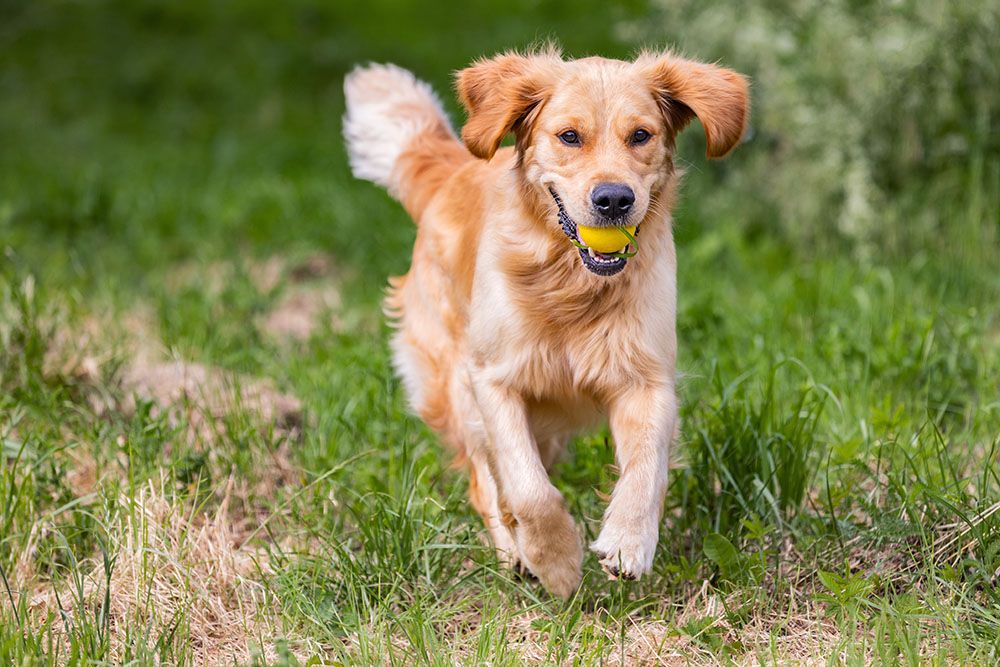
Some dogs and puppies may seem like they have an endless amount of energy, but it’s very possible for dogs to get too much exercise. Even the most active dog breeds need to rest, and their owners must make sure that they’re not overexerting themselves.
A dog’s exercise needs are personal to them, both in terms of the amount and type of exercise. There are a number of different factors that affect the amount of time a dog should spend exercising, including their age, breed and overall health. We’ll go over the basics of a dog’s exercise requirements, along with signs that they may be getting too much. However, because of all the moving parts, we recommend speaking with a veterinarian to determine how much exercise is appropriate for your individual dog.

How Much Exercise Does My Dog Need?
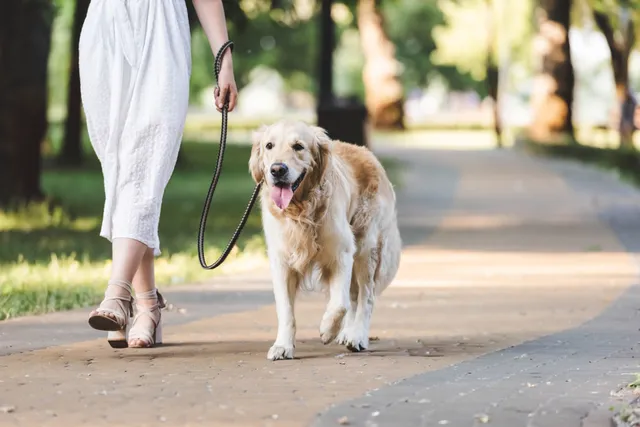
Every dog needs daily exercise, but exercising will look different depending on the dog. Even dogs of the same breed will have unique exercise requirements that are based on their age, weight, and other health and physical factors. The weather and other external factors will also affect how much exercise a dog needs.
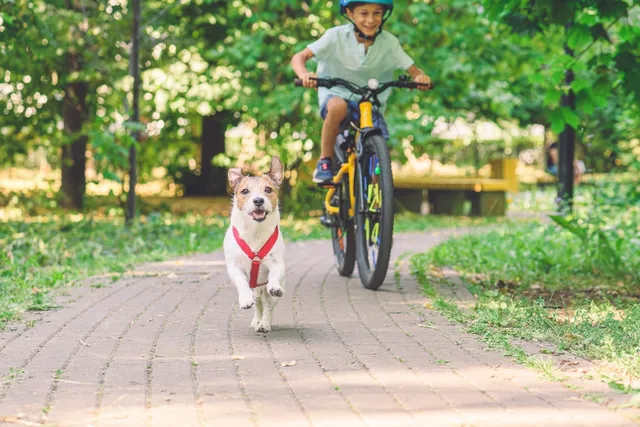
It’s also important not to focus solely on the amount of time spent exercising. The type of exercise plays a crucial role. Dogs should spend less time engaging in high-intensity forms of exercise, like sprinting and chasing frisbees, and can spend more time on low-intensity exercises like leisurely walks.
The best way to ensure your dog’s getting the right amount of exercise is to consult a veterinarian. The veterinarian can assess your dog and determine what types of exercises are appropriate for them. Here are some possible factors the veterinarian may consider when making recommendations for a dog’s exercise routine.
Age
A dog’s exercise limits will vary depending on what life stage they’re in. Puppies typically require shorter exercise sessions that are scheduled multiple times throughout the day. They often do best when their schedule contains a short walk and several play sessions. It’s important for dog owners to pay attention to their puppies when they exercise because over-exercising a puppy can be detrimental to their growth and development and cause health issues.
Similar to puppies, older dogs don’t require as much exercise as their young adult counterparts. They’ll also benefit from engaging in more low-impact forms of exercise, such as walking and swimming.
Breed
A dog’s exercise limits are heavily dependent on their breed. Certain breeds, like the Australian Cattle Dog, Border Collie, and Doberman Pinscher, were specifically bred to work and have higher energy and stamina. They need more exercise and often enjoy more intense forms of it.
Other dogs have been bred for companionship and have moderate to low exercise needs. These mellow dogs may just require a daily walk around the neighborhood. It’s also worth noting that brachycephalic dog breeds are very sensitive to exercise and weather conditions. It’s especially important for these dogs not to overexert themselves, as they’re more prone to experiencing breathing issues, overheating, and heat stroke.

Weight
Dogs that are underweight or overweight will have different exercise requirements. It’s important to go at a slow and steady pace for these dogs and help them build their strength and increase the amount of exercise gradually. Overweight dogs that engage in too much exercise can experience respiratory troubles and end up with joint issues.
Health Issues
Other health issues will impact a dog’s exercise limits. For example, dogs with osteoarthritis and other joint issues won’t be able to engage in long exercise sessions and will require more low-impact forms of exercise. Similarly, dogs with respiratory issues will need more careful monitoring to ensure their breathing isn’t severely affected while they exercise.

Climate
Where you live will also impact how much time your dog can spend exercising. Dogs shouldn’t be outside for too long if the weather is too hot or too cold. Living in places with higher altitudes can also affect how much exercise your dog can handle.

Signs of Over-Exercising in Dogs
Your dog won’t be able to tell you verbally when they’re too tired, but they will start to show several different signs that indicate over-exercising. Here are some common signs to be on the lookout for when exercising your dog.
1. Behavioral Changes
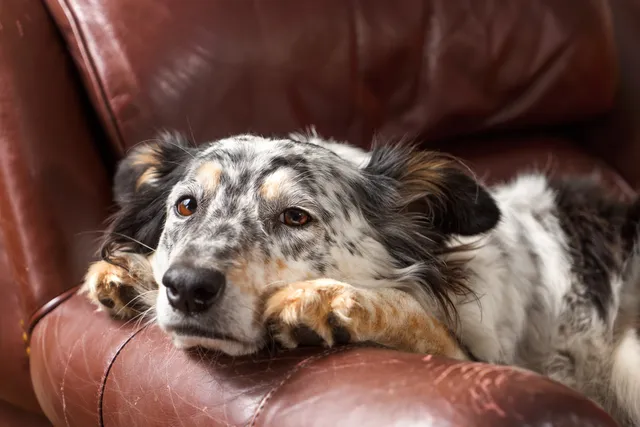
One of the clearest signs of over-exercising is behavioral changes. Most dogs will love going outside for a walk, running around in their backyard, or playing games. A loss of enthusiasm often indicates that a dog is too tired to keep going. Dogs may suddenly plop on the ground and refuse to keep walking, or they may stop playing with a toy and remain disinterested.
Dogs that are overworked will also pant heavily. This is a clear sign that they need to stop exercising and are probably also in need of a water break.
2. Damaged Paw Pads
Make sure to check your dog’s paw pads regularly. Dogs that exercise too much often have cracked or torn paw pads. These injuries are often painful, and you may notice limping or even bleeding. Their paw pads may also look red or raw.
Cracked paw pads aren’t just painful. They’re susceptible to infections. So, it’s best to stop exercising and get your dog to a veterinarian to get them treated.

3. Muscle Soreness
Dogs that overexert themselves often experience muscle soreness. Muscle soreness in dogs looks similar to muscle soreness in humans. Your dog may have difficulty getting up from lying down and have a hard time going up and down the stairs. They may limp or whine when they’re walking, and their walking stride may slow down. Dogs with muscle soreness are also often reluctant or hesitant to jump on and off furniture.
4. Joint Pain
Continued over-exercising often results in, or contributes to, joint pain. Dogs experiencing joint pain can walk stiffly and slower than usual. They may limp or slip around frequently when they’re walking. They can also behave more irritably or become lethargic or depressed.

Dog Exercise Safety
It’s the dog owner’s responsibility to ensure their dog is exercising safely and prevent over-exercising. When exercising your dog, make sure to build up their fitness gradually. Many dogs end up with injuries because they’ve over-exercised. So, start with a 10 to 15-minute leisurely walk, and add a few more minutes of walking every week if they haven’t done much exercise previously. If you want your dog to become a running partner, start with slow jogs and increase your speed incrementally. Don’t forget to do warmups with your dog before starting your run.
If you plan to exercise your dog outside, make sure to bring water with you to prevent dehydration and overheating. You can find plenty of dog travel water bottles that make drinking convenient for both you and your dog. Make sure also to check on your dog’s behavior and take breaks, even if your dog wants to continue exercising. Stop to offer them water, as many dogs may not even be thinking of water until it’s presented to them.
Lastly, change up your dog’s exercises. Instead of running every day, play tug or take them swimming. You can also change the terrain they walk on. Constantly walking on sidewalks and pavements can cause wear and tear on their paw pads. Switch things up by walking on grass or sand. Use paw wax for added protection for your dog’s paws and avoid walking on surfaces that are too hot or too cold.

Conclusion
It’s the owner’s responsibility to ensure their dog gets the right amount of exercise. Paying attention to your dog’s behavior, physical signs, and body language can help immensely with figuring out if your dog is overexerting themselves. Make sure also to adjust exercises according to different weather and temperatures and switch up exercises so that your dog isn’t overusing the same muscles. If you’re ever in doubt, don’t hesitate to consult a veterinarian to come up with a healthy exercise routine for your dog.
Sources
https://www.akc.org/expert-advice/health/puppies-how-much-exercise/
https://www.akc.org/expert-advice/health/provide-senior-dog-proper-exercise/
https://vcahospitals.com/know-your-pet/brachycephalic-airway-syndrome-in-dogs
https://vcahospitals.com/know-your-pet/exercising-dogs-with-osteoarthritis
https://www.petmd.com/walking-weight-loss-tips-overweight-dogs
https://www.petmd.com/dog/general-health/signs-your-dog-getting-too-much-exercise
https://www.guilfordjamestownvet.com/site/blog-greensboro-vet/2021/11/15/signs-of-dog-joint-pain
Featured Image Credit: Birgit Reitz-Hofmann, Shutterstock
Expert dog care, straight to your inbox
News, insights, expert advice, and everything dog.

No spam — unsubscribe anytime.
By signing up, you agree to our Terms & Conditions and Privacy & Cookies Policy.
How useful was this post?
Click a star to rate. You can leave written feedback afterwards. (We read all feedback.)
Jessica is a freelance writer who spends bigger part of her day researching and writing while her furry companion Cavapoo, Nora, snoozes beside her. She loves dogs, pets and animals because there’s so much to learn from them, and they do so much for us. As a dog mom, she understands the strong connection that pet parents have with their pets. So, she loves sharing helpful information that pet owners can use to better understand their beloved pets. When she isn't writing, you may find her walking dogs, tending to her plants, or drinking her nth cup of coffee.